Our next stop on Michigan’s Upper Peninsula is the Keweenaw Peninsula, which was the site of the first copper boom in the United States. We spent two days road tripping around the peninsula, seeing historic towns, going into a mine, eating delicious treats, seeing beautiful views, and learning history.
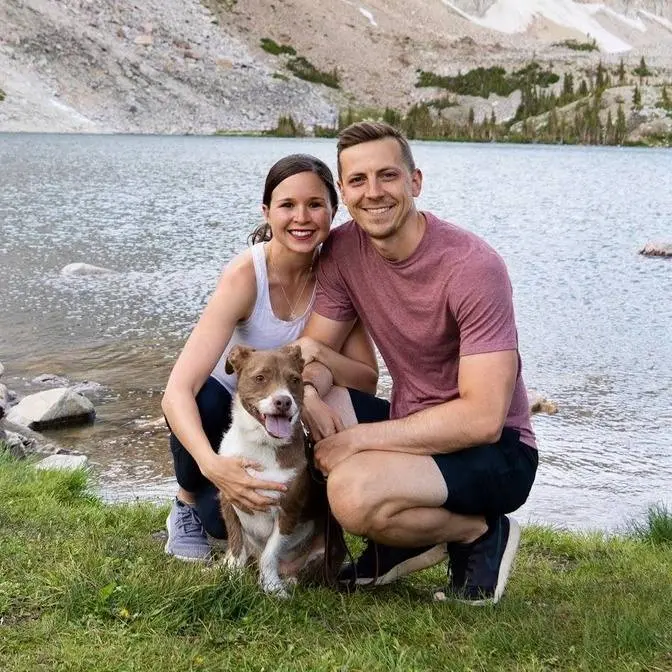
👋🏼 About us Hi y’all! We’re Adam, Kathryn, and Kona, an adventurous married couple (+ pup!) living on the road in our self-converted sprinter van! You can often find us driving all around the US and Canada, scoping out the best coffee shops, eating tacos and ice cream (we're a 5+ taco and 2+ scoop household), and enjoying nature.
We help travelers spend less time (and stress!) planning their trip and more time enjoying it! Our detailed travel guides, YouTube videos, and travel resources share the must-visit local eats, popular and off the beaten path sights, and tons of tips to make planning your next adventure a whole lot easier.
Note: We’ve linked a handful of items so you can see exactly which products we take with us. Full disclosure--if you click on these links and make a purchase, we get a small commission at no extra cost to you. We will only ever recommend products we truly love, actually use during our adventures, and think you can benefit from too!
After kicking off our Upper Peninsula road trip yesterday hiking in the Porcupine Mountains,
we've headed about an hour and a half northwest to the Keweenaw Peninsula,
which is the northernmost point of Michigan's Upper Peninsula on Lake Superior.
This peninsula, which is technically an island, was the site of the first copper boom in the
United States and for the next two days we're going to experience as much of the peninsula's
history, delicious treats, and scenic views as we possibly can. Our first day here on the
Keweenaw Peninsula is going to be all about mining. So a huge part of the history here on
the peninsula is copper with the Native Americans mining here over 7,000 years ago before Europeans
arrived. In the 1700s many attempts to mine copper were unsuccessful but by the 1840s efforts to mine
copper proved to be more profitable creating one of the first mineral mining rushes in the United
States. We're currently in the historic town of Calumet Township at the Keweenaw National Historical
Park, which is a park that spreads across the entire peninsula and is home to different historic
sites from back during the copper boom. Although the sites are spread out all across the area,
Calumet is the headquarters for the park and they have a visitor center and a museum,
which are closed today. But we're just going to walk around and try to see what we can see.
The Calumet and Hecla Mining Company extracted copper from the rich Calumet conglomerate from
1866 to 1968 and it says as early as 1870 CNH already produced over half of Michigan's copper
and Michigan accounted for 87 percent of copper mined in America. We're outside the
copper mining museum and according to the sign on the door it should be open, for whatever reason
it's not, but they do have all these giant pieces of mining machinery out here that's really cool
to look at. So right in town they have this Russell snowplow and at first I just thought this was a
weird looking train, but this is actually a snowplow because this area can get up to 300 inches
of snow and they didn't let the winter time stop them from mining so they would have the snowplow
train just clear the track so they can continue mining, but it wasn't able to get all of the snow
so they did have to shovel a little bit, but it did help with the majority of it. So we're here
on a Monday and unfortunately a lot of the buildings are closed to check out on the inside
on Mondays, but you can still walk around and see the outside and many of them have signage so you
can still learn about them, but the town of Calumet is worth the visit alone because the town is so
historic and have all these historic buildings spread around. People live here, there's coffee
shops, restaurants, other shops mixed in with all these historic buildings. We're used to visiting
historic places where it's just historic buildings and it's more of just a museum, but this is like
a museum in a town where people live and it's just such an interesting vibe. Although we didn't get
the full experience here in town with a lot of things being closed, we are heading up the road
to our next mining destination which should be open and should be really cool, literally.
Next up on our mining tour we're at the Delaware Copper Mine which operated from 1847 to 1887
during the country's first big mining boom. The mine was supported by a group of investors and
although the mine didn't make any money for the investors, it now serves as a prime example of
what the mines in this area looked like in the 1800s. Y'all know we love mines and we had the
best time touring the old 100 gold mine in Colorado so we could not pass up the chance to
tour another mine while here in Michigan. For $12 per person you can go on a self-guided tour of the
mine and the best part, dogs are allowed inside. Kona's first mine! We have our hard hats on, we have
our jackets on because it's in the 40s down there and we got to see the famous skunk named Snickers.
We're ready to go into the mine. I think we have either 100 steps or 100 feet worth of steps to
get down into the actual mine. So on this mine tour you explore the 100 level which is about 100
feet underground and there's actually other levels below here but they are completely covered in
water and a few years ago they did a dive down there and they made a video of it that we'll link
to in the description. This mine is way bigger than I expected. It just keeps going and going.
The end is still not in sight. We've been in here for a while now. In the informational video before
the tour they said once you get past the second mine shaft they dim the lights to make it look
like candlelight because that's what the workers in the 1870s had to work with in candlelight.
That mine tour was amazing and while we loved the one in Colorado especially because that tram ride
was so fun and our guide was incredible there, the self-guided format was also a blast because
you felt like you were just exploring the mine on your own which I guess technically you were
but just felt like you shouldn't be there. My favorite part I think was they left it as
mostly untouched as they could so it kind of looked exactly how it would have been
over a hundred years ago so it just kind of really felt like a really authentic experience.
So you not only can go underground into the mine but they also have an outdoor area to explore as
well which we're going to check out real quick. This outdoor area is really neat to walk around.
There is just tons to see. There's ruins from there's a pump house over there and this is a
hoist house and apparently this one was built after the other one proved to be insufficient
after they expanded the mine and so this one powered two shafts and apparently that's very
unique. This is the only one they know of that would do that so they had two steam-powered
engines in there to lift the ore cars out of the mines. Right behind me is a prehistoric mining
pit which is one of thousands that have been found in the area and it could be over five
thousand years old and what I think is so cool about this is that instead of using the tools
that more modern day miners have used like the like the drills and everything what they did
and I'm going to cheat on this sign right here is they used fire to heat the copper-bearing rock
then they put cold water on it to crack it breaking it away from the copper then stone
hammers were used to break the copper into smaller pieces and to form it into implements.
That is crazy. We backtracked a little bit to McLean State Park which is where we're camping
for the night. It's a beautiful state park with a beach as well as tons of campsites and it's said
to be a great place to see super dark skies and the northern lights and we had really wanted to
see the northern lights while we were here but we looked into the predictions and the forecast and
it doesn't look like we're here at the right time or it's just not going to happen while we're here
which is kind of a good thing because we are so tired so we're just going to hang out for the
rest of the night get a lot of work done make some tacos and then tomorrow we're going to continue
exploring the Keweenaw Peninsula. We're on the road for day two of our Keweenaw Peninsula road trip
and our first stop is one of the places we were most excited to visit the Jam Pot. It's a jam
shop bakery and coffee roaster that's run by the monks from the Catholic monastery next door.
So a couple things to know about the Jam Pot. It's only open May through October and Tuesdays
through Saturday starting at 10 a.m. We got here at like 9 58 and there was already a line probably
20 people deep. This place is super popular. So the Jam Pot began back in 1986 and they started
selling their Poor Rock Abbey preserves which were made from wild berries found right by the shop
and now they've expanded their items and they sell quite a bit more things
and we got a couple goodies to enjoy. The first item we got are habanero caramels. Someone
recommended we get jalapeno but they had habanero so this is what we got. Not sure if that's what
they normally have and then this brick here is a PB&J brownie. I've never even heard of that
but look at that jelly up in there and just the crevasse of jelly there. Oh man look how moist
that looks. This looks so dang good. That is so incredibly moist and rich. It kind of feels like
they've like barely baked it. It is so soft and and sweet in there and the jam in there just tastes
fresh and fruity. Little bits of chocolate and then you've just got the peanut butter that's
all mixed in there. First impression, this thing is heavy. It is thick and it does kind of feel
almost like fudge. Like it's just not super, it's definitely not dry. Oh my gosh, I think I'm gonna
rip open the crevasse. This looks like, oh shoot, this looks like a peanut butter and jelly sandwich.
Oh yeah, I'm not describing it. It just tastes like a PB&J but sweeter, richer, unhealthier. It's awesome.
Yeah, getting a little spice at the end there finally. It's good and it's really soft and
chewy but I'm not getting a ton of caramel flavor and or a ton of habanero. It's getting spicy at
the end, getting spicier as I talk but and now I'm tasting more caramel but while I was chewing it,
I don't know. Oh yep, there's the habanero. It takes a second. I tasted the caramel immediately so
I have, I had a different experience than Adam but it takes a bit for you to get that spice and it's
kind of just in the back of your throat right there. I think it's really good. We were kind of
standing outside for a while. We ended up meeting this couple, The Wonderful Revolution, Jed and Sandy.
Super nice and we stood outside for like an hour or more talking with them. They're also traveling
in a van. It was super fun but the caramel definitely got a little gooier than maybe it
was at first which I actually kind of like better but oh my god, wow. Oh, I think this is delicious.
Oh gosh, oh lord. This is like a taffy. Okay, this is over. To get to our last area on the peninsula, we are
taking the Brockway Mountain Drive. It's a nine and a half mile road that is actually the highest
above sea level drive between the Rocky Mountains and the Allegheny Mountains. So far, Brockway
Mountain Drive is mostly through the trees so there aren't a ton of views on the actual road
but they do have a few viewpoints that you can pull off and stop at and we're at the first one
which is called West Bluff. It has an amazing like 270 degree view. Over here, we have a lake called
Lake Medora. You can see all the mountains and the hills surrounding you and then over here is Lake
Superior. Brockway Mountain Drive ends in the town of Copper Harbor which is the northernmost town on
the Keweenaw Peninsula and it's one of the few different jumping off points to get to Isle Royale
National Park which we would love to visit but it's just logistically too hard with the boat you
have to take having Kona with us so we will be back to go there but for the rest of the day, we're
going to explore a different park here in town called Fort Wilkins State Park. This fort was built
in 1844 and was intended to keep law and order during the Copper Rush. The fort tells the story
of life on the northern frontier during the mid-1800s and there are about 14 different types
of buildings to see and explore. The first couple of buildings we've been in is the Married Men's
Quarters. This is the bakery and then the blacksmith shop is just right there but what we really like
about this park is it's very interactive there's lots of things you can touch you can set the table
and pretend like you're making food and there's even people dressed up in period pieces that you
can talk to and they do not break character. Fort Wilkins was only used for two years from 1844 to
1846 before troops moved south for the Mexican-American War. It was reoccupied for a few
years in the 1860s but during all the times it was occupied there was never a battle here. Dogs are
allowed in the buildings so we took turns going in. The buildings include a variety of living
quarters, a kitchen, a hospital, and jail just to name a few. Each one is decorated to resemble what
it would have looked like back in the 1800s and have tons of signage to educate you on what life
was like living in this fort. Fort Wilkins is such a cool spot and is a must visit on the Keweenaw
Peninsula. It was a little overwhelming how much there was to learn here there were so many
buildings to see so many signs to read. To be honest it's a little hard to film historical
places like this museums because there's just so much to read and absorb and we don't want to just
read every single sign to you so we hope you learned a little bit about the fort but if you're
in the area you have to come check this place out. Our time at the fort is not done we are actually
staying in the fort well it'd be way cooler we're actually staying at a campground in the fort for
our last night here on the peninsula but we have just loved our time here there's just so much to
see and learn about the copper industry it's basically like one big giant outdoor museum and
there's tons of views too. But tomorrow we're making a very long trek to our final area in the
upper peninsula where we're going to be seeing some pretty beautiful nature spots and eating
one of the most iconic dishes in the upper peninsula. Oh no it's stuck!
What do you think? I don't smell anything like this. Does it smell weird?
So we're ah a bug oh god!