New Zealand's Tongariro Northern Circuit, one of the 10 Great Walks, is a three- to four-day trek in Tongariro National Park. The hike includes one of the most famous day hikes in all of New Zealand, the Tongariro Alpine Crossing, a day's march that journeys across some of the Northern Circuit's most stunning scenery. The complete trail forms a 43.1 kilometer loop that circumnavigates Mount Ngauruhoe, which is known in pop culture as the iconic Mount Doom from the "Lord of the Rings" movies.
00:00 Tongariro Northern Circuit | Great Walks of New Zealand 06:17 Mangatapopo Hut 08:23 Soda Springs 09:59 South Crater 11:00 Red Crater Summit 11:27 Emerald Lakes 13:17 Blue Lake 14:22 Oturere Hut 18:33 Waihohonu Hut 22:16 Lower Tama Lake 22:43 Taranaki Falls
I make outdoor adventure travel videos to inspire you to take your next trip and get outdoors. Life is short and there are so many interesting people, places and things to learn about and experience. Join me on my journey, SUBSCRIBE AND become a part of Team Infamous.
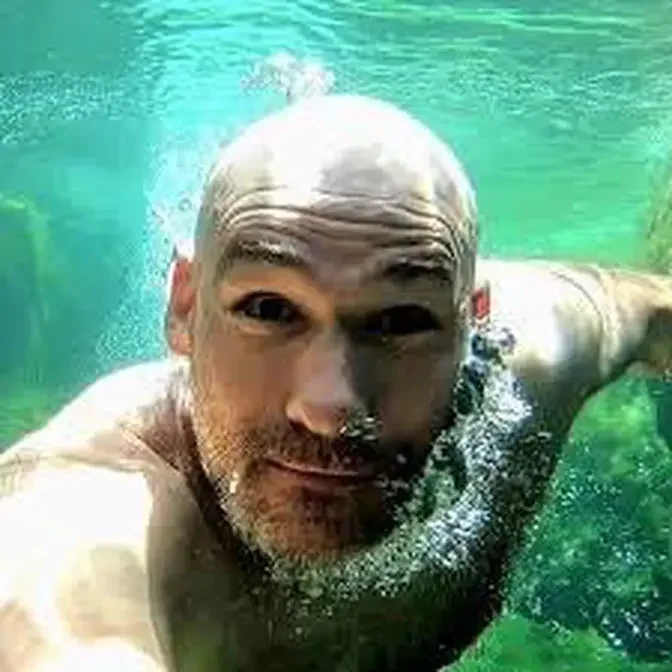
My name is Jesse St Louis (AKA Infamous JSL) and I'm an actor that likes to go on awesome adventures between gigs. I've been called a "no frills Bear Grylls" but mostly I've been called an Actor. Traveler. Smart-ass.
Man, I ran out of water. Never a good feeling when you run out of water in the desert.
Welcome back to New Zealand. We are in the central part of the North Island of New Zealand today to
begin our tackling of the Tongariro Northern Circuit. Many people know this area for the
Tongariro Crossing. It's one of the most popular day hikes in all of New Zealand. However, we are
doing the full Tongariro circuit. The Tongariro Alpine Crossing is the second day of this two to
four day circuit. Some people do it two days, one night, three days, two nights. We're going to take
it slow. Four days, three nights around the active volcano Tongariro. And there's views of several
other active volcanoes in the area. Lots of interesting volcanic geological features,
stunning stark landscapes. This 43.1 kilometer circuit is one of the best hikes in New Zealand
and that is why it has earned the designation of one of the Great Walks of New Zealand. I am super
excited to tackle our first trek on an active volcano. It's going to be an epic few days.
So since this is still Great Walk season, the huts cost $36 per person per night. After April,
at the end of Great Walk season, the huts are only $15 a night. So we kind of booked this last
minute. So only two of the three huts were available. So on the third night, we're actually
going to be camping and tent camping. And so they charge you $15 a person for tent camping,
which seems a bit much, but I guess, you know, the area where you can tent camp is kind of limited.
Coincidentally, the Great Walk huts are great, coincidentally or not. You know, they usually
have flush toilets. They usually have gas stoves that you can cook on and just good facilities all
around. Good wood burning stoves for heat and nice bunks. And they really, really do a good job of
making the Great Walk huts comfortable. The trails are nice and wide. They're pretty easy,
relatively easy than some of the other tramping tracks in New Zealand. So it really is a good
thing to encourage people of all levels to get out there and experience these Great Walks.
So quick tidbit, I just wanted to mention the town where you start the track here
is called Whakapapa. And actually the interesting thing about that word Whakapapa,
I learned that it means in Maori, it means kind of like your lineage or your ancestry.
A lot of Maori people can trace their Whakapapa back to the original waka that landed on New
Zealand, the waka he was on and the lineage going from them all the way up to present day. So fun
little fact about the name of the village here and the significance of Whakapapa. So already in
the background on the way in, some nice views of Mount Ruapehu, which is the largest active volcano
in New Zealand and actually the highest mountain on the North Island. There's a section of that
where they actually have like a ski resort. So that's pretty cool. But still just pressing on
here. I've heard someone say the first day of this circuit is the most boring, whatever that
means, but enjoying it leisurely, not too much elevation yet, but I'm sure we'll get there
eventually. So coming in and out of the volcanic scenery, pass through some lovely dense beach
forest, wonderful to have this little bit of shade from this canopy, good flow coming. So on the way
back down, we'll see Taranaki Falls and there is a good amount of water coming down this little
stream here. Crystal clear snow melt. Might have to jump in that on the last day. So you can see
Mount Ngaruho right there as we're approaching the circuit. And that is the inspiration for
Mount Doom in the Lord of the Rings movies. I think they, they use that and obviously with
plenty of CGI and special effects, that is what was used as the basis for Mount Doom right there.
Well, just saw a sign for the Mangakapopo Hut two minutes away and looks like we actually
made good time. Only about three hours to make it to the first hut. I read it's going to take
around four hours and we were going pretty slow. So three hours, pretty surprising time actually.
Plenty of time to chill out and enjoy these views before we cook a little dinner and hit the sack.
Well, just getting ready to start the second day here on the northern circuit of Tongariro.
Today we're going to do the most of the Tongariro crossing, what many people do as the
famous day hike. We're going to see a lot of the spectacular volcanic geological features.
We're also going to be making our steepest elevation gain, almost 700 meters over, about
three miles. We're going to go up to the top and then back down to the hut. Should only be about a
five-hour day still. There's a side track to a blue lake, which you can possibly see from the track
or, or go down closer, not exactly sure. But not, not the best night of sleep. People getting up
real early in the hut and apparently they don't know how to whisper, talking at full volume. So,
but I'm feeling a little refreshed at least from yesterday. Ready to hit five hours on the trail
and see some excellent stuff on the Tongariro northern circuit. So we're passing through this
glacial valley. Normally glacial valleys are u-shaped, but this one has been flattened out
at the bottom by several lava flows. You can see the lava rocks and surrounded by several
volcanoes. And actually we're already on what they call the Tongariro volcano complex. We're already
on it. We can see the Mount Doom in the background. And yesterday on the way in, in the Tussock area,
we saw so many wildflowers blooming. I thought that a more appropriate name for this, instead
of Mount Doom, they should call it Mount Bloom at this time of year because so many wildflowers
are blooming. So about five minutes off the main track is our first sidetrack of the day.
And nice little waterfall here called Soda Springs. Looking nice, looking real refreshing.
Well, this little waterfall here is quite the oasis. It reminds me of Maidenhair Falls
out in Antebrego Desert in Southern California. Like a desert oasis. Not sure if this area is
considered desert, but I know at some point we get a view of the only desert in New Zealand.
This landscape really reminds me of Mojave National Preserve where those three deserts
meet to form a stunning landscape in Southern California. The Great Basin, the Mojave and the
Sonoran Desert. Of course, ancient volcanoes in that area as well. So a lot of the same geology
though as we get further up there's going to be some slight differences, in particular the lakes.
So a bit of a flat section here. Nice backside of Mount Doom. All mountains in New Zealand are
regarded sacred by the Maori. They are revered as gods. So it is considered tapu or taboo or
sacred. You're not allowed to climb to the top of these mountains. Although some people do it,
but it is heavily, heavily frowned upon and considered highly disrespectful by the Iwi
that is co-managing this land with the DOC, the Department of Conservation. So we made it over
the top of the Red Crater. That's the highest point on this track. And now we're just chilling
at the Emerald Lakes. Beautiful greenish blue color to these drainage lakes. It's rain and
snowmelt that feeds these lakes. But the volcanic minerals surrounding in the rocks
help to give it that beautiful color. There are some thermal vents as well. I can smell that
sulfur smell and see the sulfur gas being vented. And then there's a blue lake that's a side trek.
It's like a 20 minute or half hour return to over there, which I think we're going to do. And then
it's downhill to the next hut, which is actually not that far. I think the people just doing the
day hike actually have a longer day today than we do, because I think the blue lake is just the
halfway point for them. And I don't think our hut is too much further. So definitely should be doing
this in about five hours. Saw the Red Crater up top. Beautiful Red Crater. And the interesting
thing about that is the same thing that gives the Red Crater its red color is the same thing that
gives your blood its red color. And that is the iron, oxidized iron in the rock, the volcanic rock
and the iron that's oxidized in your blood as well. So now coming around the backside of Mount
Doom as we make our way through, I believe it's called the Rangapu Desert. I can't remember the
name Rangapu, Rangapu Desert. And from what I recall, I believe it is the only desert in New
Zealand. Crazy volcanic rock formations here. Man, I ran out of water. Never a good feeling when you
run out of water in the desert. But hopefully, hopefully we're almost there. Waking up here on
the third day of the Tongariro Northern Circuit and got into the hut yesterday with plenty of
daylight to spare. And there is a beautiful waterfall, just like a five minute walk
right over there. And so that was a good place to just jump in the water and get refreshed after
going through that desert, after running out of drinking water in the desert. Some little pools
just totally submerged my body under one of the smaller cascades above the main falls there. Nice
hut here. It's pretty cozy, pretty tight and you can hear everything. The hut kind of settles at
night. The first one did that as well. I don't know why it does that once you lay down to go to sleep.
But today is actually the shortest day of the four-day trek. It's only three hours, and so a
lot of people will combine today and the last day and just make it a three-day thing. Or some people
even combine that first four-hour day with the day we did yesterday and just make it a two-day,
one-night thing. Although yesterday was pretty, pretty rough. I have to say, surprisingly,
two months of beach life, not the best training for a four-day trek. So my legs are a little bit
out of shape, not used to carrying the heavy pack, but we're getting into it. It's going to be a nice
leisurely three-hour day today, so that'll be nice. And then that final day, of course,
out through the beach forest and seeing the giant Taranaki Falls, enjoying the sun, warming up. We've
got plenty, plenty of time today just taking it real slow and easy and enjoying the morning before
we head off on our three-hour short hike. So this whole area, noticed it on the way into the hut
yesterday, but now I just wanted to talk about it on the way to this next hut, is loaded with this
volcanic rock here, pumice. And it looks like this would be heavy, but this is really light.
If you've ever used a pumice stone kind of to exfoliate or on your feet or on your hands or
mechanics, actually people who work with their hands will use a soap called lava soap, and it
has bits of pumice in it, and it's meant to get like grease and grime off your hands. But I've never
seen pumice in the wild like this. It actually is really interesting. All the light colored stone
in the valley is pumice. It has a real strange sound when you drop it. Almost sounds like you're
dropping like a glass bottle, like a real hollow sound. So came through that beautiful beach forest,
and I believe that that is the steepest climb of the day. Nice to have that shade from the beach
forest for the steepest part of the day. I think the hut is just down in this next valley here.
It's interesting that that kind of band of beach forest has obviously survived multiple eruptions
from the volcanoes, because everything around it has been scorched by massive lava flows, and it's
just that thin little finger of not super old growth beach forest, but relative to everything
else that we're seeing, because everything else out here is like bonsai trees. It's just much smaller
because there's not enough rain and nutrients to survive them in this volcanic soil. So made it to
the hut, but we are not staying in the hut. Our last night the hut was completely booked, so I've
been carrying this tent with us the whole time. So thanks to Emma for letting us borrow her tent,
and we got this nice beautiful spot right near this little creek here. So I'm just going to grab
a snack and then jump in this water and cool down. Got the tent set up, mattresses, air mattresses,
kind of fit. Won't have to deal with the loud people in the hut tonight. So this will be the
best night of sleep that we get, I think. I'm pretty sure. How deep is it? How did you sleep
in the tent? It's your first appearance on this video, and everyone wants to know how the night
in the tent went. Pretty good. Pretty good? Yeah, but put the rainfly on. Put the rainfly on next time? Yeah.
Why? Because it rained? No, it was cold. Because it was too cold? It was too cold. You're telling me those $20 warehouse sleeping
bags, uh... They weren't $20. They were $100 something. They weren't? I thought so. No way, man. Yes way, man.
I don't think so. They were. So waking up real early this morning. The final day here on the
Tongariro Northern Circuit, and the reason why we're getting up super early is because it is
the longest day distance-wise. It is almost 16 kilometers out. Not as steep as yesterday,
but just a longer day overall. So we're trying to head out early because someone
wants to do some side treks as well to the lakes, and also hopefully spend some time at the
Taranaki Falls. It's going to be another long day, but a beautiful day after a somewhat decent
night of sleep. Didn't have to deal with the loud people in the hut, but you know, frosty temperatures,
tent life, you know, you're constantly shifting around and moving. So I do feel pretty rested
though. Do you feel rested? She feels rested too. So in order to survive the harsh climate out here,
these plants have had to make several unique adaptations, and one in particular is this small
red thing that you'll see on the ground. Almost looks like moss, but it is called a sundew, and
that is a carnivorous plant, much like a venus fly trap. It has a sticky goo that it secretes that
the insects get stuck to, and then has tentacles which wrap around them and use enzymes to digest
those insects. It gets its name from the glistening sticky substance that it produces
to attract the insects. And this particular plant thrives in the wetlands around the volcanic area.
It thrives in acidic conditions made from the volcanic ash. So only three and a half hours,
and we made it to Taranaki Falls. So today's not going to be as long as they projected it to be.
They said it was going to be almost six hours, but we did the lower Tama Lake and that's an additional
20 minutes, and we're only three and a half hours in. They say it takes an hour from the falls to
get back to Fakapapa Village, but I think it'll probably take half hour, 45 minutes. So we
definitely rocked this thing. That good night's sleep was very restorative and refreshing, and now
I'm hoping to get an even more refreshing dunk in these falls here. So it took us about four
hours, 20 minutes. We stopped for a bit. Ended up being about five hours total with the long stop at
the waterfall and the other side treks. I definitely recommend you take four days, enjoy the side treks,
but if you crunch for time and you're really fit, you can do it in two or three. You're just blowing
through some amazing scenery. I would probably recommend if you do it in season, bring ear plugs
for the hut, because hut life can be noisy. And if you can handle the weight, I recommend tenting
it instead of the hut, because you're away from the noise, and the sleep I got in the tent was much
more restorative. Plenty more coming from New Zealand. In the meantime, get out there, find your
adventure, and be infamous. Infamous.