
Christian Ernst Graf (1723-1804) - Sinfonia in C-Dur (1776)
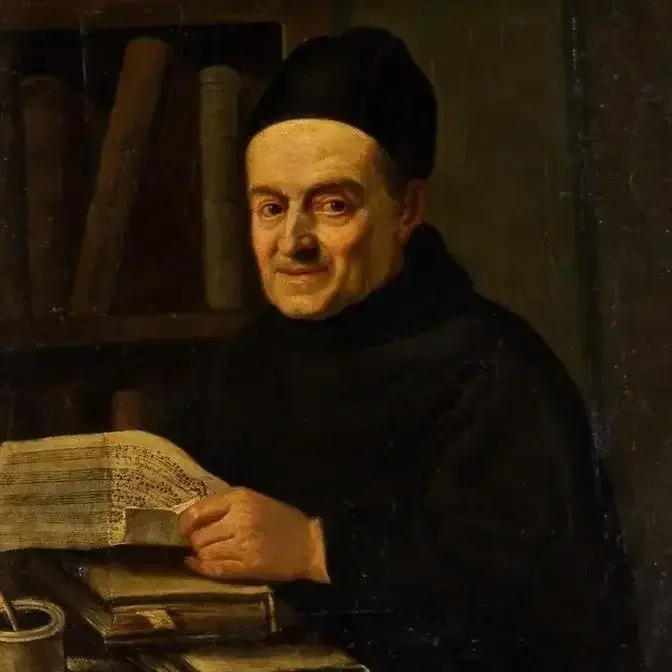
Gelukkige verjaardag Christian Ernst Graf! 📯🎻
Composer: Christian Ernst Graf (1723-1804)
Work: Sinfonia (IV) in C-Dur, œuvre XIV (1776)
Performers: HET Residentie Orkest; Ton Kοοpman (conductor)
Drawing: Jacques Gabriel Huquier (1725-1805) - Gezicht op het Lange Voorhout te Den Haag
HD image: https://flic.kr/p/2oHVQ4M
Painting: Nicolas-Henry Jeaurat de Bertry (1728-1796) - Nature Morte en Trompe L'Oeil aux Instruments de Musique et au Livret de Castor et Pollux de Rameau
HD image: https://flic.kr/p/2fKx2yX
Further info: https://www.discogs.com/es/sell/release/12062177
Listen free: https://open.spotify.com/album/4OTcetf2ZHvBq4VSlGllKy
---
Christian Ernst Friedrich Graf [Graaf]
(Rudolstadt, 30 June 1723 - The Hague, 17 July 1804)
Dutch-German composer and organist, brother of Friedrich Hartmann Graf (1727-1795). Son of the Kapellmeister to the court of the Count of Schwarzburg- Rudolstadt, Johann Graf (1684-1750), he was trained by his father as a violinist and keyboardist, later joining the court orchestra as the former. In 1748 he left for the Netherlands to seek his fortune, finding employment as the director of the collegium musicum in the city of Middelburg in 1750. He elevated the quality of the performances to such an extent that he came to the attention of the Dutch court. During this period he also published his first work, the Sei Sinfonie Op. 1. In 1754 he moved to The Hague, where he was employed by Princess Anna of Hannover, later becoming Kapellmeister to William V. In 1782 he published his treatise Proeve over de Natuur der Harmonie, and in 1790 he retired. Charles Burney noted that he was an educated man who was cheerful and had a gift for teaching. As a composer, he wrote 62 symphonies, 30 string quartets, 19 trio sonatas, 18 flute quintets, 12 flute quartets, six piano sonatas, six violin sonatas, a host of smaller chamber pieces, two oratorios, and around 35 Lieder. His style incorporates Italianate mannerism common to the Mannheim composers, although his late works, particularly his oratorio from 1802 Der Tod Jesu is more akin to Joseph Haydn’s late oratorios in his large-scale setting and unusually dramatic musical language. His Grande Symphonie Hollandaise is a large-scale work that incorporates a chorus, more an oratorio than a symphony. #ClassicalMusic