
J.S. Bach - Solo Violin Sonata No.3 & Partita No.3, BWV 1005/06 (1720)
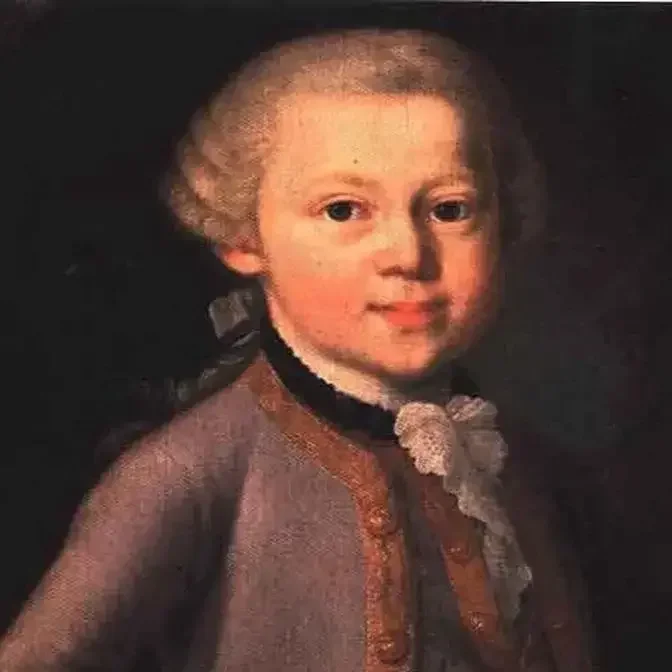
Johann Sebastian Bach (31 March [O.S. 21 March] 1685 – 28 July 1750) was a German composer and musician of the late Baroque period. He is known for instrumental compositions such as the Cello Suites and Brandenburg Concertos; keyboard works such as the Goldberg Variations, The Well-Tempered Clavier and the Toccata and Fugue in D minor; and vocal music such as the St Matthew Passion and the Mass in B minor. Since the 19th-century Bach Revival, he has been generally regarded as one of the greatest composers in the history of Western music.
Please support my channels:
https://ko-fi.com/bartjebartmans
Sonata for solo violin No. 3 in C major, BWV 1005 (1720)
1. Adagio (0:00)
2. Fuga. Alla breve (3:20)
3. Largo (14:28)
4. Allegro assai (17:10)
Partita for solo violin No. 3 in E major, BWV 1006 (1720)
1. Preludio (22:17)
2. Loure (26:00)
3. Gavotte en rondeau (29:30)
4. Menuet 1 (32:18)
5. Menuet 2
6. Bourrée (36:32)
7. Gigue (38:00)
Stanley Ritchie, violin (Jacobus Stainer, 1670. Bach owned a similar instrument)
(Musica Omnia MO 0503)
The first two sonatas and the three partitas of J.S. Bach's six sonatas and partitas for solo violin make considerable demands on performers. However, the Sonata for solo violin No. 3 in C major, BWV 1005 is in a class by itself; it is so challenging a piece on every front that even the usually unflappable Jascha Heifetz used to break out in a cold sweat and suffer nervous bow-shakes when playing it, and it is a work of such consummate mastery, so perfectly planned and balanced, that any flaw in the performance sticks out like a sore thumb. In all fairness, Bach has gone beyond the bounds of reason in this grand Sonata -- the violinist is asked to play music that might give a harpsichordist a headache (indeed, Bach arranged the Sonata's first movement for harpsichord) -- but the music is so rewarding that all the toil is worth it in the end. Surely this satisfaction comes in part from the unreal, some have even said mystical, effect of a single string instrument producing such rich, dense music without the benefit of any real bass capability. Like each of the other two sonatas in the solo violin volume, the C major Sonata has four movements. They are: Adagio, Fuga, Largo, and Allegro assai.
Whereas the opening movements of the previous two solo violin sonatas are written in highly embellished, mock-improvisational style, that of the third sonata lacks ornamentation altogether. Instead it evolves from a single, repeating dotted rhythm -- one harmonic layer is added and then another, the steady pulsation being interrupted only twice (once near the beginning and once near the end) for the purpose of expanded and enriching major cadences. The Fuga, which, like all the solo violin fugues, is actually a fugue/Baroque concerto hybrid, ranks among the longest fugues, measure-wise, ever created by any composer for any instrument or ensemble. The subject is derived from the chorale "Komm, heiliger Geist" and is turned upside-down midway through the fugue. The splendid Largo in F major has achieved some fame outside the Sonata, while the Allegro assai finale is the same kind of fleet-footed binary-form piece that closes each of the other two solo violin sonatas.
Partita description by Blair Johnston [-]
Although J.S. Bach described his six sonatas and partitas for solo violin as Libro primo (Book 1), he never followed them up with a second volume; so the Partita for solo violin No. 3 in E major, BWV 1006 (Cöthen, 1720), stands as the composer's last utterance in the unlikely medium of the unaccompanied violin. There were some solo violin works that predate Bach's efforts -- Biber's Passacaglia, Westhoff's Six Partitas -- but they cannot compare.
This Partita is perhaps the most exuberant and cheery of the three in the book; while it is no picnic in the park for the violinist, it offers easier going than the chaconne in the second partita with its strings of double and triple stops. The work consists of dance movements that are mostly French in origin and that diverge from those in the other two : Preludio, Loure, Gavotte en Rondeau, Menuet I and II, Bourrée, and Gigue. The Preludio, which was adapted by Bach for use in two of his cantatas, proceeds almost entirely in brilliant sixteenth notes. A Loure is a slow subspecies of French jig, usually (as is the case here) in 6/4 time; Bach's is perhaps a less heavy dance than the average loure. The Gavotte is, as the name suggests, set up as a kind of rondo, with restatements of the opening material surrounding contrasting episodes; the happy gavotte tune is played five times in all (six if one counts the repeat of the opening eight bars). The two Menuets are traditionally played da capo with the end result: Menuet I -- Menuet II -- Menuet I. The Bourrée is short and rapid. A gigue can be either French in style or Italian; Bach selects the quicker, snappier Italian variety to close the E major Partita. #ClassicalMusic