
How To Store, Serve & Drink Wine
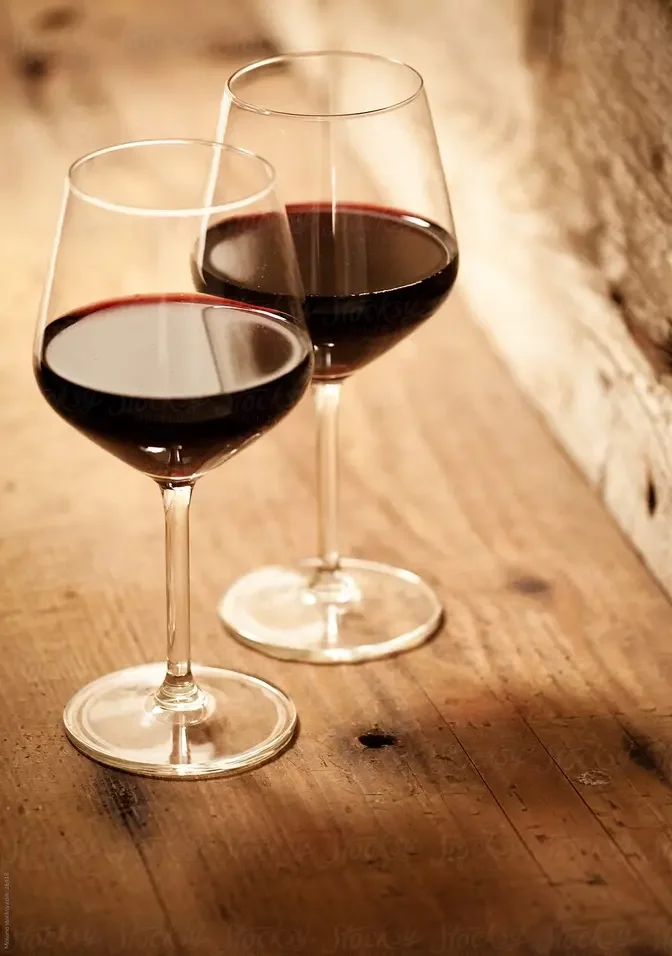
The final episode of this series will help you to understand how storing your wine, and how you serve it, can heavily impact the taste. We’ll discover how wines are stored, pre and post-bottling, and how this is important to the wine ageing process.
#wineculture, #fanwinecellar
How many bottles of wine have you opened in your lifetime?
Hundreds? Thousands?
You know the drill, pull the cork and pour a glass.
But both how you store your wine and how you serve it
can really impact how the wine tastes.
There are some simple tips that will help make sure
every bottle of wine is served at its best.
Diego discovered one of these important tips
at Charles Heidseck in Champagne.
I'm here with Sophie Coutain, the brand ambassador.
Hi Sophie, how are you?
Hi Diego, I'm fine.
What do you think about having a glass of Champagne?
About trying this cuvee rosé?
Let's do it.
I'll have to open it.
Turn the bottle.
You don't turn your hand there.
And not a big noise.
I have to hear a sigh.
See?
That's amazing.
Santé Diego.
But before you've even popped the cork on any wine,
it's important to know how long it's been waiting patiently
developing its aromas and flavours.
Stéphanie went to Smith Hoteler Feet in Bordeaux
to understand how wines are stored and aged
before they're even put into a bottle.
So you just actually recently harvested
the grapes that have just been collected
and are going to go into the wine.
Is this a wine I could drink next year?
Our wines, you won't be able to drink them the year after.
They are being aged in our cellars for two years in oak.
So it's already two years old.
But depending on the years,
I think it's better to leave it five, six, ten years.
That's at its best.
And then there's no limits.
Depends on how you keep the wines.
If you have a cellar, if you leave it in the sun
or something cool.
Depends.
Depends on how you keep it.
Because the wine's alive.
Of course.
Wine's alive in the bottles.
Yeah, definitely.
We've all heard that some wines improve with age.
But are there any strict rules
about exactly when you should drink fine wines?
Chebba got straight to the point
with the president of Rumoisiné and Burgundy
to find out if you're ever in danger
of drinking Burgundy wines too soon.
How do you know when you've opened a red
or white Burgundy too soon?
Well, that's a really easy question to answer
because there is no too soon with red or white Burgundy.
The greatness of Burgundy is that you can have great pleasure
opening and drinking a white or red Burgundy at any age.
There is no too soon.
As your knowledge develops,
you'll realize that laying down some wines to age
changes them in different ways.
And when you decide to drink them
really depends on your personal taste.
Diego spoke about the taste curve of aging wines
with the president of Deutz, the Grand Marc Champagne House.
So how do we know that the champagne is ready?
It's also subjective.
You know, when we release it,
we are still in the primary aromas
and then any type of wine will develop these secondary aromas,
tertiary aromas with the years.
So after that, it's a matter of personal taste.
So I would recommend that you buy not one bottle,
but many bottles.
Then you can taste after we release it,
one bottle every year.
And then probably you find that you will make your choice
or your opinion by yourself.
So what are the golden rules
when it comes to storing and serving wine?
1. Wines with cork should be stored horizontally
in a cool, dry place and away from bright lights.
Screw-capped wines need not be lying down.
2. White and rosé wine, both still and sparkling,
should be served at a temperature of between 6 and 12 degrees.
Leave still wine in the fridge for roughly one hour
to get it to this temperature
or two hours for sparkling wine, which has a thicker bottle.
3. Red wine should be served between 15 and 18 degrees,
a cool room temperature,
although some lighter reds can be served even cooler.
Serving wine at the correct temperature
can really help unlock all of those aromas and flavours.
4. Decanting is recommended for younger wines to help them breathe
or for older wines to remove sediment.
Decanting a wine will aerate it,
allowing the aromas to properly develop.
5. When it comes to serving a good wine,
the glass is really important.
Good wine glasses have a few things in common.
They are made of clear glass or crystal,
have a stem to hold,
a neck that's narrower than the bowl
and should be big enough to give your wine space to breathe.
Different styles of wine also demand
different types of glassware for optimal drinking.
For champagne, the narrow flute is now out of favour
with many producers and wine critics.
Use a white wine glass instead
to make sure that aromas can collect in the glass
and you can get the maximum flavour from your fizz.
For Red Bordeaux, the traditional glass is a tulip.
A tulip is the standard shape that works well
for any type of wine or even beer for that matter.
It just means that the body is wider than the neck.
For Burgundy, we recommend a wider bowl
to allow its delicate aromas to flourish.
And what about the most important bit of the process?
How to taste your wines.
Learning to taste like a pro is perhaps the best way
to get the maximum appreciation of your wines.
Colour.
As red wine ages, it will get lighter,
while white wines will get darker and tend to be more golden,
although oak will also have the same effect on white wines.
Hold your glass over a white background
to judge the colour of the wine.
Swirl.
Swirling your wine aerates the liquid
and sets the aromas free.
Look for the legs or tears of liquid
that run down the inside of the glass.
The slower they flow may indicate
a higher alcohol or sugar content,
but they have no bearing on quality.
Nose.
You need to smell the wine.
Don't be afraid to get your nose right into the glass
as this is the best way to detect all of the aromas.
What can you smell?
Fruit, flowers or herbs,
wines can develop many incredibly different aromas
from cherries or caramel to tobacco or mushrooms.
Taste.
As you taste the wine,
hold it in your mouth and suck some air in,
then swirl the wine around your mouth
to coat your whole palate
to taste the secondary flavours before you swallow it.
Flavours.
Finally, what flavours can you taste?
Is the wine energetic and refreshing,
or complex and rich?
Acidity in the wine will make your mouth water,
while high alcohol content brings a richness to the wine.
And if it's a red wine, consider the tannins too,
those bitter flavours that give a dryness in your mouth
and originate from the skins and seeds of the grapes.
Many bottles of fine wine travel thousands of miles
in the hope of finding someone
that will appreciate the amazing craftsmanship,
stories and painstaking time and effort
that has gone into making it.
Your job is simple though.
Store your wine carefully,
serve it at the right temperature,
pour it into a good glass
and most importantly, enjoy it.