
Drought Resistant Flowers. 30 Perennials Proven To Grow
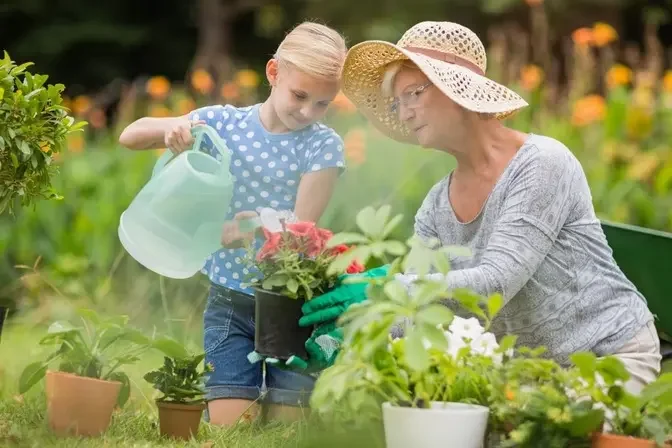
It is summer and there are hot and dry weeks ahead of us, which is great. For the past few
years we had very hot and dry summers, maybe due to an imbalance in nature or climate change.
But what should we do with our garden during this drought period? There are only two solutions.
You can either water your garden every day or plant your flowering plants that are proven to
be drought resistant. Of course the most drought resistant plants are succulents.
There are many varieties of plants that can store and retain water and can survive a long
time without watering. Hens and chicks or house sleek plants come in many different colors and
shapes. They are definitely a number one choice for outside urns or containers.
They prefer full sun but will still grow in partial shade. These plants can be divided
easily at any time by pulling up some of the chicks and replanting them elsewhere.
Another great plant for dry gardens is stonecrops,
belonging to the genus of sedum. It is also a succulent and may withstand long periods of
drought. You may find a great selection of these plants with different textures and flowers from
creeping covering plants to upright sedum plants with beautiful flowers, good for wedding bouquets
and vase arrangements. These plants may be propagated with just cutting, simply inserting
into the soil from May to September and is a hardy perennial. If your garden is in a very
sunny spot you should try plants with water storing root types like irises. This decorative
beaded irises cultivar have large creeping rhizome roots or bulbs that in drier climates
are responsible for drought resistance. Iris comes from Greek. It means rainbow and colorful
flowers blooming from May to the end of June leaving for the whole summer and very attractive
pointed leaves. Another sun loving plant with water storing bulbous roots is the peony. Peonies
are favorite flowers for many gardeners. By choosing a mixture of early, mid-season and
late blooming varieties you can have blooms for up to six weeks. Propagation by root division in
fall or early spring. Most important tip is to not plant them very deep in the ground and make
sure the peony buds are right at ground level. Peonies are perfect as cut flowers. The next long
season blooming perennial is day lilies. It is the best perennial for outside garden beds for
different types of public properties because they do not require any special care. They bloom from
June to November and new flowers open daily and last only one day. Many beautiful new varieties
can be found in nurseries or garden centers. Propagation by root division and replanting.
They prefer full sun and have attractive grassy leaves. It is a careless hardy perennial.
Mound Artemisia is an excellent choice for hot and dry sites. Artemisia should be grown in very
well-drained soil and full sun. To keep it beautiful it should be grown in poor soil and
trimmed back in late spring to rejuvenate the foliage. This plant tends to open up in the center
during hot summers so it is best grown in cooler climates. Next there's Allium. Butterflies and
honeybees absolutely adore the flower's sweet nectar and deer and rabbits steer clear of this
perennial beauty. Propagation by bulbs that should be planted in fall before the ground
gets frozen. It is a hardy perennial, prefers full sun or partial shade. Russian sage and also
perennial sage is definitely worth to have in your garden for its graceful habit and long season of
beauty. It also tolerates a variety of soil conditions and weather from cold to hot. It spreads
very fast in the garden. Strong long taproot system makes sage extremely drought resistant.
Propagation by soft wood cutting in late spring and the flowers bloom only on new growth. Rose
Marvel salvia or also sage is famous for its extra large flowers. It adds stunning spikes of
large magenta pink flowers to the summer garden. It is a garden favorite re-blooming without
needing to be cut back and it is a pollinator's favorite. Attracts bees, butterflies, hummingbirds.
The lovely herbaceous scented foliage is deer and rabbit resistant. Drought tolerance once established
and it makes nice cut flowers too. Baptisia false indigo or decadence hybrids are easy to grow
and will thrive with little maintenance. There are many potential applications in the landscape
including meadow plantings as a backdrop in borders or as a specimen. Plants are very long
lived once established. It is a good choice for attracting bees and butterflies to your yard
and it has no significant negative characteristics and it prefers partial shade. We also have the
lenten rose hellebore. They bloom in late winter to early spring sometimes while the ground is
still covered with snow. Aside from the lovely and unusual flowers the hellebore plant is attractive.
It has green foliage that is aesthetically pleasing in the landscape. Again once established
hellebore care is minimal. Plant needs moisture during the spring and fall when they are actively
growing and you can ease up on watering during the summer because the heat causes the hellebores to
go dormant while keeping and staying evergreen and attractive. Flowers last up to three months
and non-hybrid varieties like black hellebores can be easily propagated by seeds and it prefers shade.
Lavender has been grown for centuries for its intensely fragrant flowers and beautiful
appearance. It is a staple item of every sunny garden and its dried flowers are wildly used
in potpourri and arrangements. Shab like perennials, lavandula, have become invasive.
All types need little or no fertilizer and good air circulation. In areas of high humidity root
rot due to fungus infections can be a problem. Lavenders flourish best in dry well-drained sandy
or gravelly soils in full sun. Next we have the snow in summer. This ground cover is just as
admired for its delicate woolly silver leaves as for its charming flowers. These leaves spread a
mat of foliage from which flower stems rise in late spring and early summer. Snow in summer
spreads quickly by reseeding and producing runners when grown in favorable conditions.
Next we have the malva or the hollyhock mallow. Heat and drought are not a problem for this
perennial. Though it is sometimes short-lived, malva will self-seed readily assuring years of
blooms. It is very easily grown as a short-lived perennials are often grown as ornamental plants
in sunny gardens. Cultivation is by sowing the seeds directly outdoors in early spring. The seed
is easy to collect and they will often spread themselves by seeds. Next we have Solomon's seal
which is absolutely carefree. Learning how to plant Solomon's seal simply requires burying a
few of the rhizomes in a shaded area. Solomon's seal plants need plenty of room for them to spread
when initially planting and once they are established they can survive short droughts
fairly well. During longer dry periods however they do appreciate some extra water. Unlike many
spring flowering plants which begin to look peaky as summer progresses, Solomon's seal remains
handsome all season long. Its stalks remain firm and its leaves are perfect. Unlike many ornamental
plants, bergenia require very little in the way of care. In fact it's quite possible to love them to
death by over watering or excessive tending. They do best with minimal amount of interference.
Bergenia can be planted in either partial shade or full shade and these plants are sensitive to
excessive wetness and moisture so they should only be given additional water when the weather
has been very very dry. You probably already realized that amongst most drought resistant
plants they grow from rhizomes or stolen roots. So logically my next plant is the plantain lily
or hosta. There are over 2,000 varieties of hosta plants available in garden nurseries.
Hostas are tough, versatile, and adaptable. The filtered sun is best for their colorful varieties
to reach their full potential, especially gold and blue forms. Allow plenty of room when you want to
accommodate for their mature size and propagation is by root division. Next we have dianthus which
due to extensive hybridization over the past 300 years there are almost more than 300 varieties
of dianthus. It is a herbaceous perennial plant with a strong spicy fragrance. It is a cottage
county favorite due to almost no care and its drought resistance. With a long bloom period from
late spring until early autumn their attractive mounding growth and pretty flowers are complemented.
Dianthus is a perfect flower for floral arrangements especially boutonnieres because it can
last very long without wilting. For gardeners with limited time choosing carefree plants is key
to a low maintenance yard. Speedwell veronica is a tough plant that is drought tolerant and
are hardy in most regions. It is grown for its showy spikes of long lasting flowers that begin
blooming in late spring or early summer. The flower head rise up on stems from dense mounds
of foliage to form tapered spike-like racemes covered by tiny star-shaped flowers.
Catmint or nepetas are easy to grow perennials that provide a beautiful show of color all
summer long. They prefer to be planted in full sun and ordinary well-drained soil.
When nepeta stems are broken they release an aroma into the air that tends to attract cats
thus its common name catmint. Echinacea coneflower is praised for their cheerful
brightly colored flowers. Coneflowers are a mainstay in today's garden. Be sure to leave
some spent blooms on the plants in the fall because their seeds provide winter food for
finches and other birds. The dried seed heads also provide architectural interest in the winter.
Next we have Asclepias tuberosa or the butterfly weed. You can gather bouquets of Asclepias all
summer long. The long stems are wonderful for cutting and are long lasting. You can sear the
ends of the cut stems over flame to stop the milky sap from leaking out. Following the fabulous
flowers green fruits develop which rupture to reveal seeds with long silvery white silky hairs
reminiscent of its cousin the common milkweed. Next we have the coreopsis tickseed. Coreopsis
is easy to grow and it thrives in any well-drained soil and full sun. Once established it is rather
drought tolerant. They are prized by many gardeners for its bright colors of their flowers
and their ability to put up with most garden soils. Birds feed on their seeds and butterflies
love them. Coreopsis species have a moderate growth rate and are best planted in the spring
after the threat of frost has passed and you will enjoy its long blooming period.
Next we have the gylardia or the blanket flower. These perennials require little care once
established. They are heat tolerant and actually prefer to be grown in poorer soils. They get their
name from the manner in which they used to blanket North American prairies with their blooms.
They can still be found in fields and along roadsides in the prairie region and into the
Rockies. We also have the scabiosa or pincushion flowers. These are perennial plants that are most
often found in shades of blue or white though pink varieties are available as well. Flowers are also
larger and will normally bloom from late spring to early summer until the first frost. It does
not like to be over watered and it needs water only during long periods of drought. The yellow
yarrow is considered to have many useful qualities in the garden as well. It is known to repel harmful
insects while attracting good insects. It will improve the soil surrounding it. Yarrow is also
believed to have a beneficial effect on its companions when placed near other plants that
are not in good health. I also want to mention beautiful drought tolerant flowers such as the
clustered bellflowers. Strong, upright, easy to grow and care for that will produce an abundance of
flowers in the truest blues, mauve and white shades. A beautiful fabulous long-lasting addition.
Next we have liatris. This is an unusual flower because most flower spikes open at the bottom
first and then work their way upward. Liatris perform best in full sun and are quite drought
tolerant. New plants can be produced through seed or by division of the tuberous roots in the spring.
And for the last large group of decorative garden grasses such as switchgrass, variegated sedge,
Japanese blood grass, beautiful beyond blue or blue fiscue, mating grass, northern sea oats.
The vast majority of them are hardy perennials and are drought resistant due to a well-developed
invasive root system. There are so many varieties in your local nurseries so it'll be easy to choose
the nice color and texture for any fancy garden. They're easy to grow and maintain and the grasses
add interest to the garden by changing with the seasons. One season brings striking foliage and
the next the elegant plume of bloom and in the fall a shift in color as the plant prepares for
winter. I know that I can add a dozen more plants to this list that I haven't even mentioned annual
flowers but I have chosen the most beautiful and my favorite varieties and I hope my work
will help you choose the right plant for your garden collection.