
Ancient India from the 'Pacifist' Indus Valley Civilization to Alexander the Great's Invasion
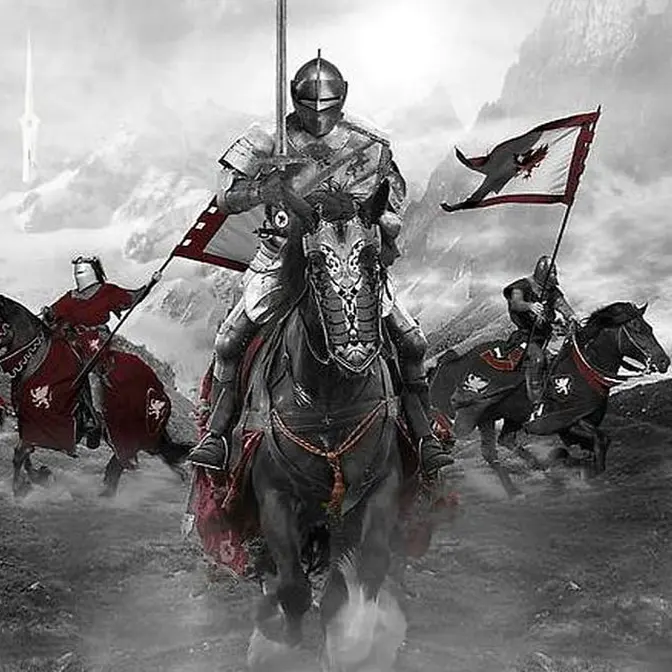
#history #India #AncientIndia #Alexander"In the 4th century BC, an Indian army marched along the Hydaspes River and took battle order near modern-day Jhelum. This region bordered the Persian Empire but instead of Persians, they encountered a strange force clad in heavy armor under the command of the Greek General Alexander the Great. According to the Greek sources - Indian ones do not exist - Alexander clashed with King Porus in the Battle of the Hydaspes in 326 BC. In a decisive battle, he defeated the mighty Indian war elephants, the renowned Indian longbowmen, cavalry, and chariots before turning back and leaving the defeated Porus to rule his newly conquered land for him. Clearly, India had a structured and organized army by Alexander's time, but we can’t say the same with confidence for the earlier Bronze Age civilization of Pakistan and India. Around 2500 BC, this region was home to the Indus Valley Civilization, at the time the largest civilization on earth, exceeding those of Egypt and Sumer by quite a margin. It featured the most sophisticated roads, public water supply, and sewage systems of its time. Unlike ancient Egypt and Sumer, modern scholarship regularly describes the women and men who inhabited ancient India as “neither to have been a warlike people nor have feared invasion.” This claim dates back to the discovery of this civilization
In this video, we trace the beginning of violence in ancient India and investigate when and how the first Indian armies entered the stage of history."