
Explore The Styles of Cabernet Sauvignon | Wine Folly
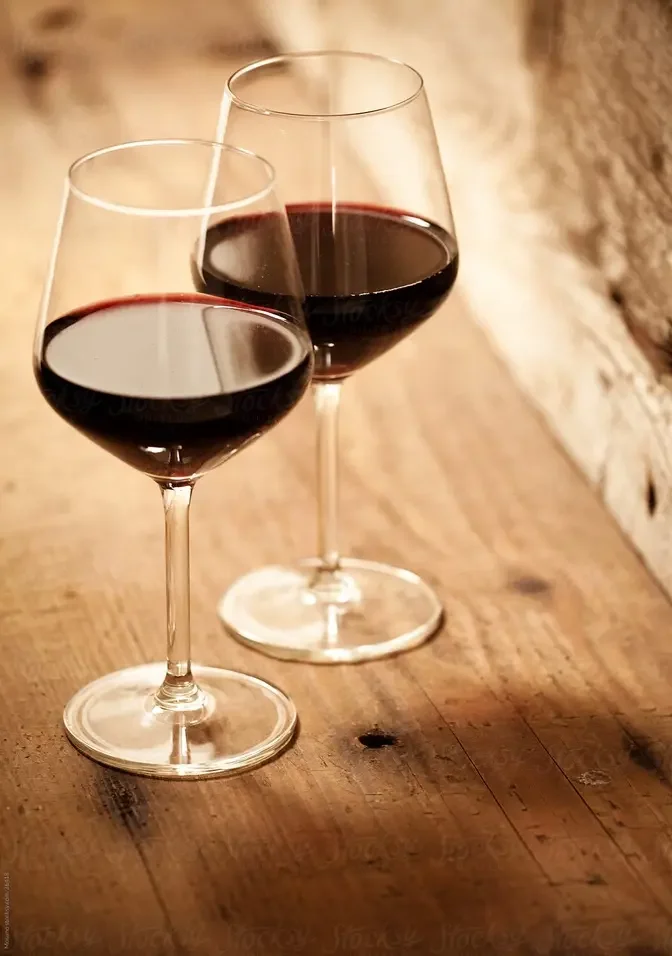
Compare two Cabernet-based red wines from the top wine regions known for this grape: Bordeaux vs Napa.
#wineculture, #fanwinecellar
Hey what's up, it's Madeline Paquette.
I am the co-founder of WineFolly.com where we learn by drinking.
If you love red wine, then you probably already know about Cabernet Sauvignon.
After all, it is the world's most planted grape variety, but what you might not know
is it tastes different based on where it's grown and how it's made.
I have two Cabernet Sauvignon wines with me today from two of the most prestigious wine
growing regions for this grape variety, and that's Bordeaux and Napa Valley, and we're
going to see how these two wines pair up against one another.
Before I get into this tasting, I want to give you some fun facts about Cabernet.
This grape variety, despite how prestigious it is today, is actually not that old.
Unlike Muscat Blanc, aka Moscato, which is thousands and thousands of years old, Cabernet
Sauvignon probably came about sometime during the 17th century, somewhere in Bordeaux.
It is the progenitor, aka the child of Cabernet Franc, and get this, Sauvignon Blanc.
Bordeaux versus Napa.
The Bordeaux blend, to me, is a deep ruby color.
It has a fair amount of rim variation, and I do see a little touch of yellow in that
color indicating the use of Merlot in this blend, and there is about 30% Merlot in there.
Let's take a look at the legs.
Legs-wise, they're not forming too quickly, nor too many, so I would say this is about
an average level.
Alcohol-wise, let's give it a sniff.
Wow.
Okay, so this wine comes across a lot more fresh and tart and fruity.
Black cherries, sour cherries, cranberry, a touch of hibiscus.
Deeper in the nose, I get a lot more of these funky characteristics.
We're talking pencil lead, crushed gravel, a subtle note of spice, almost like allspice,
and this is all sort of wrapped in a overarching minty, sort of mentholly minty flavor.
Let's give it a taste.
On the palate, this Bordeaux Cabernet is medium body.
It comes in, it hangs out, and then it goes very politely.
Flavor-wise, so it goes from tart, savory fruit, into smooth tannins, and into just
a slight bitterness on the finish.
To me, this is definitely a food wine, it would be awesome with a delicious steak or
something like that.
I would be a happy lady.
Next wine, Napa Cabernet blend.
This is a blend, it's got some Merlot in it too, and Cab Franc, let's see how it does
in the color.
A lot darker in the color than the Bordeaux blend, it is more of a deep ruby color with
a lot less rim variation.
There's definitely a lot of extraction in this wine.
On the legs, they're forming relatively quick, and there's a lot of them, so I would say
it's probably a medium plus alcohol level, a lot higher in alcohol, and probably unfiltered.
On the nose, whoa, massive, layers upon layers.
I get subtle notes of blackberry brambles, black cherries, cherry sauce, Kirsch, and
then I go into this major spice note, allspice, clove, vanilla, it almost smells like a spice
cake.
Let's give it a taste.
This wine's like drinking Christmas.
It is massive on the palate, huge explosion of acidity there that leads into these really
dark brooding fruit flavors.
We're talking baked plums, more of this chocolatey kind of note, and then a lot of that spice
cake comes again through on the palate.
A really rich palate.
The tannins are actually pretty rigid, I can feel them on the top of my tongue, like touching
the tongue to the roof of my mouth.
But to me, there's so much alcohol in this wine, it kind of cuts through the tannin,
and I feel this nice, warm, sweet, smoky burn on the finish of the flavor.
So that's these two Cabernet wines, so let's talk about what makes them so different.
This Cabernet, this Legend from Bordeaux, they don't age the wines that long, they age
their lots anywhere from three to nine months, and only in 40% oak, and not even new oak,
so oak adds a lot of flavor to wine, which this one doesn't get.
So they're using grapes that are maybe picked a little less sweet, because they're only
producing 12.5% alcohol.
Going on to the Napa Big Cab over here.
This blend, 14.5% alcohol, so they're picking the grapes sweeter, they're physically sweeter,
and then they go into the crush, they make the wine out of them, and they go immediately
into oak for a long period of time, over a year in oak barrels, and of the 100% oak
they go into, 75% of that oak is new oak.
So brand spanking new barrels with toast on them, and that toasting of the oak is almost
like tea, it flavors the wine, so all these flavors of spice and chocolate, and allspice
and vanilla, and that sort of thing that are coming through in this wine number two,
are probably from that oak program.
So there we are, two very, very different wines.
If you like this old world style, you're definitely going to want to seek out Bordeaux, or look
on the label, wines with lighter alcohol levels, around 12.5, tend to be a little lighter on
the palate, this one's more savory, would go well, well, very well with food, whereas
this wine I see is more of a cocktail wine, it's something I'm going to sit and drink,
and probably not have anything else with.
I look for clues on the label for this as well, check to see if they have any mention
of their oak program, or the alcohol level, again, is a clue to find bombasticness.
Alright guys, I hope you guys are excited to try more Cabernet, definitely subscribe,
winefly.com, slash subscribe, you'll get an awesome newsletter that's totally free, designed
specifically to help you learn more about wine.
I hope you guys enjoyed this episode, until next time, peace out.