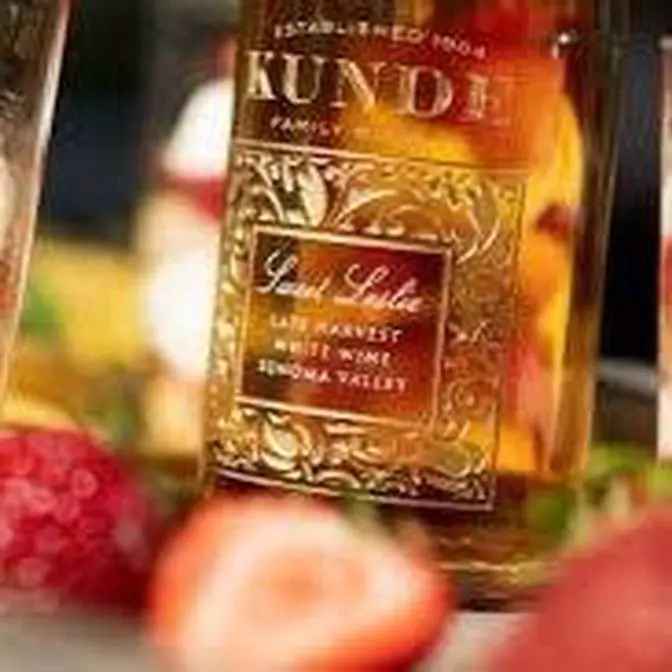
The most prized and possibly also age-worthy sweet wines are made from botrytised grapes, also known as the Noble Rot. Botrytis Cinerea is a fungi that initiates grey rot, however, with the right conditions and right grape varieties, instead of turning grey and fluffy, grape dehydrates and the sugars concentrate, allowing to create these beautiful and lushes dessert wines. In this video you will learn:
1) What are those right conditions to initiate the Noble Rot; 2) Which grape varieties are suited for the Noble Rot; 3) In what wine-making regions Noble Rot affected sweet wines are mostly made; 4) What are the characteristics of the sweet wine made by botrytised grapes; 5) And what foods to pair with this sweet wine.
If you are interested about sweet wines, you must also check out my first ever YouTube video “Dessert Wine Styles Everyone Should Know”: • Dessert Wine Styles Everyone Should Know
📓 Flawless: Understanding Faults in Wine by Jamie Goode: https://amzn.to/3eb7AYP 📒 Understanding Wine Technology: The Science of Wine Explained by David Bird: https://amzn.to/3e2qBNb 📕 Authentic Wine: Toward Natural and Sustainable Winemaking (by Jamie Goode): https://amzn.to/3ygtuAC 📘 The Oxford Companion to Wine (by Jancis Robinson): https://amzn.to/3ryy0H6 📙Wine Grapes: A Complete Guide to 1,368 Vine Varieties, Including Their Origins and Flavours (by Jancis Robinson, Julia Harding and Jose Vouillamoz): https://amzn.to/3RCAheM 📗 A Life Uncorked (by Hugh Johnson): https://amzn.to/3M5yeyQ
As an Amazon Associate I earn from qualifying purchases.
Be sure to subscribe to my channel, as I will be posting weekly videos all about wine.
Hi everybody, this is Agnesa from No Sediment and today let's talk about sweet wines that are made
from grapes that are affected by noble rot. Naturally, sweet wines can be achieved in
different ways. I actually talk about it in my very first YouTube video, but the most prized
and possibly age-worthy wines come from grapes that are infected by Botrytis. Botrytis cinerea
is a fungi, an organism that initiates gray rot. However, with the right conditions and grape
airity, instead of turning gray and fluffy, grape dehydrates and the sugars concentrate. Noble rot
will also alter the aroma profile. Therefore, wines that are made with even the smallest
percentage of grapes that have been affected by Botrytis will show very distinctive aroma
characteristics, such as chamomile, saffron, and linden honey. While it is not fully understood yet
how exactly it happens that grapes, instead of being devastated by gray rot, turn into this pure
sweet essence, it is believed that perfect conditions require misty and foggy mornings
and dry sunny afternoons. Therefore, wet mornings will initiate the development of fungi,
while dry and sunny afternoons will not allow it to develop fully into gray rot.
But the weather is unpredictable, which means that even in winemaking regions that are strongly
associated with sweet wines made from Botrytis grapes, it will not be possible to make these
wines every year. As the rot does not affect a whole bunch at once, in some regions the affected
grapes will only be picked, leaving the healthy ones on the wine. That means that whoever is
picking the grapes will need to go through the vineyard several times. Grape varieties such as
Riesling, Sauvignon Blanc, Sémillon, Chenin Blanc, Moscat, and Fermenté. It is also important to note
that these grape varieties can hold their acidity, and that means that sweet luscious wines made from
these grape varieties will almost never taste sticky or cloaking. In fact, some might have
acidity so high that they seem fresh and light, despite the fact that they have high residual
sugar levels. So you have to be looking at the areas that are famous with these beautiful morning
mists. For example, Saturn's in Bordeaux is famous with their sweet wines. It is because cooler river
Ceyron meets much warmer river Garonne, causing frequent morning mists. If the weather is merciful
and the dry and sunny afternoons follow, the noble rot will develop. Likewise, in Mosel, Germany,
Neuzillersi in Austria, and Topkai in Hungary, all these wine regions are famous with their luscious
sweet wines. Wines that are made from grapes affected by noble rot will have high aroma
intensity. The greatest majority of them will be sweet or even luscious. The aroma characteristics
include marzipan, saffron, blossom honey, preserved citrus, and tropical fruits. As grapes are highly
dehydrated during the infection process, it will not only concentrate the sugars but also the
acidity. Therefore, the greatest of these sweet wines will also show mouth-watering sensation.
In terms of alcohol level, it really depends. Wines such as Saturn will usually have 13 percent or
higher, while Trockenbeer and Auslese from Germany and Topkai from Hungary will rarely reach 10 percent.
While you can pair these wines with very sweet and decadent desserts, they will also pair beautifully
with aged blue cheeses such as Roquefort and Stilton. I hope you liked my video. Many beautiful
dessert wines are made from Riesling grape variety, so make sure to watch my other video on Riesling.