
Ancient Egypt: The Rise and Legacy of an Iconic Empire
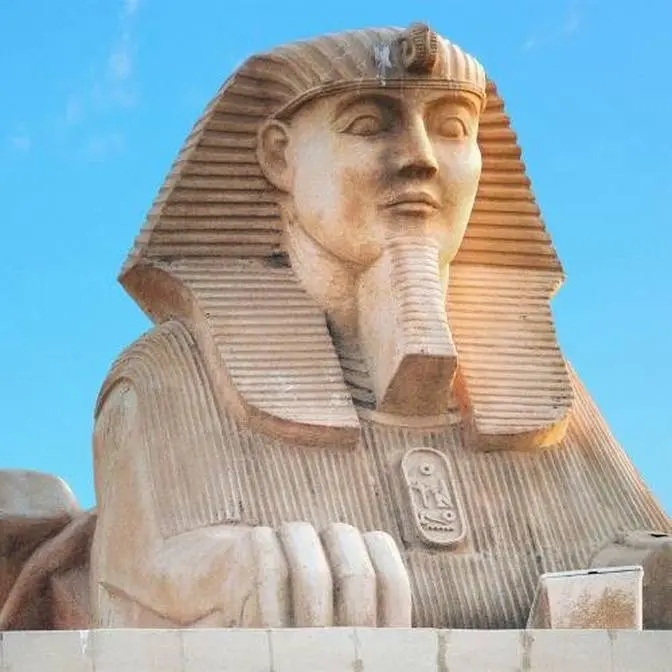
Welcome to another journey through history. Today, we unravel the secrets of one of the
most magnificent civilizations ever to grace our planet Ancient Egypt. Join us as we explore the
rise of this extraordinary empire. Our story begins over 5,000 years ago, along the fertile
banks of the Nile River. It was here that small farming communities began to flourish,
eventually giving rise to powerful city-states. The Nile was not just a river, it was the lifeblood
of Egypt, providing water, transportation, and fertile soil for agriculture.As these communities
grew, so did their ambitions. The unification of Upper and Lower Egypt around 3,100 BCE,
traditionally attributed to the legendary King Menes, marked the beginning of the First Dynasty
and the dawn of the Egyptian civilization. The Old Kingdom, often referred to as the Age of
the Pyramids, saw the construction of some of Egypt's most iconic monuments. Pharaohs like
Djoser, Khufu, and Khafre commissioned grand structures to demonstrate their divine role and
ensure their legacy. The pyramids were not just tombs, they were symbols of the Pharaoh's absolute
power and a testament to the ingenuity of Ancient Egyptian engineering. The Great Pyramid of Giza,
built for Pharaoh Khufu, remains one of the Seven Wonders of the Ancient World. Following a period
of political fragmentation, the Middle Kingdom emerged around 2050 BCE. This era is marked by
Pharaohs like Mentohatep II and Amenemhat I expanded Egypt's borders and established a
more centralized government. The Middle Kingdom also saw the strengthening of trade relations
with neighboring regions, further bolstering Egypt's wealth and influence. Pharaohs like
Hatshepsut, one of the few female rulers, and Ramses II, known for his military exploits,
left an indelible mark on Egypt's history. The religious revolution of Akhenaten and the brief
but illustrious reign of Tutankhamun also belonged to this era. Despite its grandeur,
Egypt's empire began to decline around 1100 BCE due to internal strife, invasions, and economic
troubles. The once mighty civilization eventually fell to foreign powers, including the Assyrians,
Persians, and finally, Alexander the Great in 332 BCE. Yet, the legacy of Ancient Egypt lives on.
From monumental architecture and sophisticated art to advances in medicine and writing,
the contributions of this ancient civilization continue to fascinate
and inspire the world. Thank you for joining us on this journey through time.
Don't forget to like, comment, and subscribe for more explorations into the wonders of history.
Until next time, keep exploring and stay curious.