
GOLDEN RETRIEVER TRAINING! How To Train Your Golden Retriever Puppy To Walk To Heel!
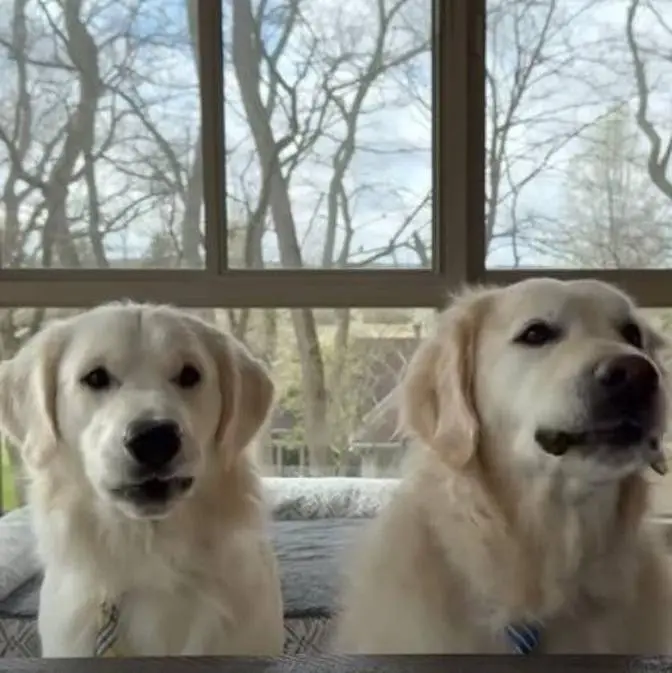
So do you want to teach your new Golden Retriever puppy to walk beautifully to heel on a lovely
loose lead? Well don't worry because that is exactly what we're going to be talking about
in today's video. Welcome back to the Fenrir Golden Retriever Show. If this is your first time here
my name's Will, I'm a canine behaviorist and I'm the founder and CEO of FenrirCanineLeaders.com
and this channel is dedicated to teaching you everything you could ever possibly want to know
about the glorious Golden Retriever and then how to become high-level canine leaders that raise
perfect Golden Retriever companions. So if you are just thinking about getting your first Golden
Retriever or you've been a lifelong lover I promise you this channel is for you. So start this
incredible journey by hitting that subscribe button and turning on that notification bell so
you never miss a future Golden Retriever video. Now as a canine behaviorist one of the most common
problem behaviors that people come to me seeking help and guidance and advice on is that they have
a dog especially a larger more strong athletic breed like a Golden Retriever that is pulling on
walks and it turns the experience into something that should be joyous to something that is actually
miserable and one of the worst parts of the owner's day. Now I have a very high success rate
and being able to modify that behavior is something I'm incredibly proud of however it is something
that's quite difficult and does take quite a lot of time and some finesse and being able to unpick
those kind of established bad habits of walking badly on a lead. It is much better to start as
you mean to go on start from day one teaching it perfectly the first time around because that way
you can make it an incredibly positive fun experience that not only results in having a
dog that will walk beautifully to heel but is also amazing for building that relationship between you
and your dog and that communication which is so vital to your success as a high-level canine leader.
Now teaching a dog to walk nicely to heel is something that we cover at length
in our perfect puppy protocol that you can find down in the description box below if you're
interested in checking it out but don't worry I'm going to give you kind of the overview of
everything that we go through to be able to achieve that here in today's video. So it's usually around
a four-step process to be able to teach a new Golden Retriever puppy to walk to heel and what's
excellent about Golden Retrievers is just how incredibly intelligent that they are which makes
this process usually go so much smoother and so much faster than many other breeds. So we start
with simply building up the association with the verbal marker that we're going to utilize.
I recommend you using heel but you can use whatever word you want it doesn't matter as long as we're
consistent with that word but they're going to understand that that term means that I want you
on my left hand side or right hand side doesn't really matter but heel traditionally is done to
the left. I want you on my left hand side walking nicely on a loose lead that's all we're going to
do. So to start with we're going to utilize a process called lure, mark and reinforce. A lure is
basically luring the dog into a position we can use a luring stick or I like to use a bit of food
reward something that smells really nice we can get it from to their nose and the dog will quite
happily follow wherever that thing goes. We can use that to lure them into the right position which
is on our left hand side when the dog is in that position we're then going to mark it with heel or
whatever word you want to use and then we're instantly going to give them access to the food
and we're going to drill that over and over again as a young puppy in a distractionless environment
with no lead on whatsoever because we don't want to create we want the dog to understand that
whether there's a lead on or not the command means the same thing and later in a future step we're
going to talk about how we're going to add the lead and why it's so important that we do it in
this order. So we're going to teach them that to start with and once we drill that over and over
again you'll find a golden retriever in particular will pick that up incredibly quickly and they'll
very soon learn that that term heel means if I get to that left hand side quick time something good's
going to happen so I'm going to do that they'll pick that up very quickly and there you go you
have taught the foundation and the basis of teaching your new golden retriever puppy how to walk to
heel excellent fantastic well done now obviously we need to move on from there so the next step
is being able to once we've got that foundation layer built we add on to that we turn it into a
fun exciting game and what we do is we'll be in a distractionless environment like here in our
office and studio and I might stand in the middle of the room chest up I lure them into position
mark reinforce and then I take a 90 degree turn I learn them mark reinforce 180 back the other way
lure them mark reinforce and we turn that into a game and the dog will quickly realize that it's
not just one static position this is a flexible ongoing game that regardless of where my leader
moves wherever they go if I stay on this side of them next to them then I'm going to get praise
reinforcement and it's a really fun positive game we then can start adding in a few steps it might
be one step forward lure mark we might do a 180 degree turn followed by four steps forward luring
them marking rewarding and eventually we can add that up to two steps five steps ten steps 90 degree
180 degree 270 degree turns both clockwise anti-clockwise and we make a really fun exciting
enjoyable game out of it that really builds an excellent relationship and excellent communication
with your new golden retriever puppy and once we've done that that's kind of step two complete
and then at that stage we add the lead we want the dog to understand that when this lead goes on we
don't need to freak out we remain calm it doesn't change anything if he says that term heel I still
have to be on the left hand side of my owner and over time we make the two things coincide
beautifully and the connotation between the two things is seamless and again later on in the video
I'm going to talk about the importance of that because it's a place where a lot of people make
mistakes and we'll talk about that later but then we add the lead and we carry on working on that
drill with a lead on instead of there being off lead and again the two things are exactly the
then we go to level four which is basically layering up distraction layering up time layering
up distance and slowly starting to remove that lure mark and reinforce progress because again
we don't want to have a four-year-old golden retriever that when we walk we constantly have
to be leaning down luring and marking and reinforcing we just do that at the puppy
stage while we're teaching this and that can be weeks and months but we start to layer up that
distraction so we go from inside we might go and do it out in the garden and we get to a point
where we might go 10 15 20 steps and we're only luring marking and reinforcing every five steps
every 10 steps and every 20 steps then we might go to a really quiet road where there's one or two
cars pass every now and again and we keep up that process then we start to layer up busier roads
more people more distractions then we slowly at the same time start to remove as they're
achieving success we always want to set our dog up for success and we do this slowly but surely
but we start to remove the amount of rewards that we give it and the amount of times that we have to
mark the behavior and as long as we're patient with that approach as long as we do it in baby
steps and set our dogs up to succeed rather than setting them up to fail and then getting frustrated
at them if we follow that protocol if we follow that process the two things will just be interweaved
and the dog will never know any difference and you keep that up you're dedicated committed to
the task it isn't rocket science the theory of what we're doing isn't difficult whatsoever what
is difficult is are you willing to put in the hard work commitment and dedication if you are
then i'm incredibly proud of you and you are the kind of owners that i love to work with and i can
hold sing from the rooftops and hold on a pedestal of this is how it should be done it's about
commitment consistency and dedication if you're willing to put that in you will have an adult
golden retriever that will walk beautifully to heal that everybody will be envious of but it is
just about this consistency but that is the overarching approach of how we teach a new golden
retriever puppy to walk to heal now there is a few common pitfalls that people fall into and that's
what i want to discuss now the first one kind of mentioning what we talked about earlier is ruining
that lead association now as we're going through this process what we don't want to do is go through
that a couple of weeks three weeks whatever it takes to get the puppy to a point where we're now
ready to move on to the step where we had a lead but in those few weeks you've been using the lead
when you've been out to exercise and socialize and just out in the big wide world and you've
allowed them to pull all over the place and now we expect them suddenly to stop doing that and now
walk nicely it creates confusion makes tasks much more difficult people get frustrated and then give
up and that is then kind of sets the ball in motion for having a fully grown adult golden
retriever which are very powerful dogs they might not be your germa shepherds or your mastiff breeds
that i do work with a lot but it makes them no less kind of athletic and strong and no less
miserable to walk if they don't walk nicely so what i recommend doing is whatever lead that you
want to utilize for walking your dog when you're going out just for a normal walk never use that
lead until it's time to add it on to the heel walk now we're going to be using it if you follow my
perfect puppy program as part of our fenrir kind of obedience basic drill we start to condition the
dog to having the lead put on and off and get comfortable with it and it not creating any
excitement but other than that we don't use it until it's time to start working on this kind of
level three of adding the lead to the heel walk now obviously we must keep our dogs and puppies
safe under all circumstances so if you can't go to an environment where you can guarantee safety
with your puppy don't have them off lead but what i do recommend is rather than using an extendable
lead or even just the lead that you're going to be using for heel get a long line as lightweight as
possible i quite like to use just really long runs of paracord and just tie a knot in it on the other
end and drop it on the floor create no interference of that communication between you and the lead and
that tension on the lead but it's on the floor god forbid moment something's about to go wrong
we can quickly pick it up and reel our dogs back into safety if we need to and that way it's the
best way without interfering with heel work as much as possible but making sure that we can ensure
safety the next common couple of problems that people come into we've kind of touched on it a
little bit earlier but it's about patience setting our dogs up for failure instead of success
with a golden retriever in particular breeds like golden retrievers labradors dobermans german
shepherds rottweilers the owners that i work with on this this is a really common problem that they
fall into because they're so intelligent and quick to learn they achieve high levels of success
really early on with their puppies it gets excited and they want to steam ahead and move into the
later months quickly then they find that something bad happens they get frustrated they blame the dog
and really it's completely their fault even if your dog's having high levels of success
keep working at it keep being patient and don't rush things we want to take baby steps on purpose
because we want to set our dogs up for success so that we can praise and reinforce that success
if we rush things and set our dogs up to fail then one of two things happen if you're following a
positive only methodology where we have no way of correcting our dogs then we've set them up for
failure and we've got no way of communicating that failure with them because positive only
is all about reinforcing good behaviors rather than correcting bad ones so if you follow in that
methodology you absolutely must set your dog up for success so that we can always be reinforcing
and rewarding that success and it's therefore your responsibility to remove any of the variables of
failure away now if you do set them up to fail then and they do fail we need to challenge that
failure we need to correct that problem behavior and then that means that we're going to go into
more of a balanced training approach using verbal and physical corrections depending on your kind of
feelings around those training styles now either way when we're training a new puppy i am a balanced
trainer i utilize all different methodologies of training dogs depending on what's relevant at the
time but i would always much prefer to live in a positive reinforcement based especially with young
puppies especially when we're training them so it's incredibly important that we as a good calm
consistent leader set them up for success so that we can then reinforce and reward that success
as a good leader so again that's a real common pitfall that people fall into they rush
they set their dog up for failure and then they either don't have the tools to correct that failure
or they don't want to utilize those tools and the dogs don't learn and if anything they learn that
that is acceptable and when they learn that's acceptable they'll repeat it especially if it's
a self-rewarding behavior like pulling on a lead and then it's just a start of a slippery downhill
slope that can then be very difficult to unpick which takes us all the way back to the start of
the video when i say how many people come to me as a canine behaviorist looking for my help with
being able to stop their dog pulling so badly so this is the process in which we get it right first
time round so that you never have to go through that because it is not a very nice thing to have
to go through when you've got problem behaviors with your dogs and it can cost a lot of money
being able to seek professional help so i would rather help you get it right first time around
and save you that heartache and save you all of that financial burden so i hope you enjoyed that
video i hope you got something from it if you did hit that thumbs up button if you are new here
we've got two new golden retriever videos coming to this channel every single week so if you're a
lover of this breed i promise you there's going to be plenty for you and if you've got any questions
get involved make sure you ask them i'll be happy to help you in any way that we can
i can't wait to see you on the next episode of the fem rear golden retriever show