
Episode 17: Time of Writing the Torah (5)- Worship of God
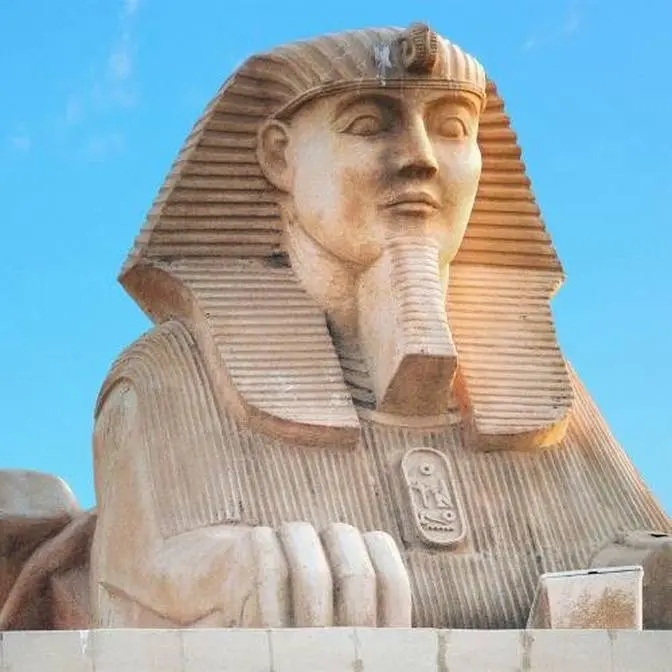
Dive into the ancient times, where the practices of worship were as diverse as the stars in the sky.
As we turn the pages back to the patriarchal era, we find distinctive rites such as building altars,
setting up pillars, and marking sacred trees. These physical manifestations of faith served
as an integral part of their spiritual expression. Now let's journey forward to the early period of
the judges. Notice the stark contrast? The worship practices here were marked by a more communal and
less physical nature. As we move forward, these early rituals start to wane, noticeably absent
during the prophetic period. This shift signifies a transformation in the spiritual landscape,
a move from tangible symbols to a more abstract, inward devotion. As we journey further into the
prophetic period, these practices fade into the background, signaling a shift in the spiritual
landscape. The divine names used in the Torah are as numerous as they are meaningful. These names
offer insight into the historical and cultural contexts in which the texts were written,
and how perceptions of the divine evolved over time. Among the most significant are El Shaddai
and Weich. El Shaddai, often translated as God Almighty, is a name rich in mystery and power,
reflecting an understanding of God as the Supreme Being. Yei Tchoch, on the other hand,
is a deeply personal and intimate name, often translated as the Lord, and is associated with
God's covenantal relationship with Israel. As we move from the Torah to the Prophets and Chronicles,
we see a shift in the use of these divine names. This evolution signifies a deepening understanding
of the divine, a progression from a God who is mighty and powerful to a God who is intimately
involved in the lives of his people. The evolution of divine names, from El Shaddai to Yei Tchoch,
signifies a deepening understanding of the divine. Prophecy, a cornerstone of the Torah,
takes many forms and evolves over time. Let's delve into the diversity and progression of prophecy,
from the Torah to the Judges, and into the Classical period. In the Torah, prophecy is a
direct, intimate communication with the divine. The prime exemplar of this is Moses, whose unique
methods of receiving revelations set him apart. His face-to-face conversations with God, as one
speaks to a friend, are unparalleled in the prophetic tradition. Fast forward to the era of
Judges, prophecy takes a different turn. Here, the prophets play more of an advisory role,
providing guidance to the leaders of Israel. The intimate conversations of the past evolve
into symbolic visions and dreams, a shift that becomes more pronounced in the Classical period
of prophecy. In the Classical period, prophets like Isaiah and Jeremiah use metaphors and allegories,
delivering messages from God in a more indirect manner. The transformation of prophecy,
from direct communication to symbolic representation, reflects the evolving
relationship between God and His people. From Moses to the later prophets, the methods of
receiving revelations vary greatly, offering a fascinating glimpse into the changing nature
of prophecy. The covenants in the Torah, a binding promise between God and individuals,
are a testament to the era they were established. These covenants, often between the patriarchs and
God, hold significant weight in the narrative of the Torah, symbolizing solemn and enduring
commitments. These agreements, whether it be God's promise to Noah after the flood, or the covenant
with Abraham, promising him a multitude of descendants, are not just divine promises.
They are also reflective of the sociocultural context of the time. In fact, these covenants
align closely with Bronze Age diplomatic formulas, hinting at the historical setting of their
conception. The work of Professor Joshua Berman on Deuteronomy provides further insight into this.
His research illustrates how the covenants in the Torah follow a specific pattern akin to ancient
Near Eastern treaties. This correlation suggests that the Torah is faithfully representing the
diplomatic conventions of the time. The covenants, aligned with Bronze Age diplomatic formulas,
provide a valuable context for understanding the Torah's historical setting.
The Torah, a treasure trove of ancient practices, divine names, forms of prophecy, and covenants,
offers us a window into the past. As we've explored, worship practices evolved from the
patriarchal method of building altars and marking sacred trees, to the prophetic period when these
practices faded out. We've delved into the shifting names of God, from El Shaddai to YHWH, and how
their usage reflects the changing times. The forms of prophecy too have transformed, with Moses'
unique revelations standing in contrast to the methods of later prophets. The covenants,
agreements between individuals and God, align with Bronze Age diplomatic formulas, as highlighted by
the work of Professor Joshua Berman on Deuteronomy. These covenants, divine names, forms of prophecy,
and worship practices provide critical context to the religious practices in the Torah.
Understanding these elements not only enriches our study of the Torah, but also of religious
history and theology as a whole.