
Low Tech, Low Budget, No Co2, Dirted Nano Aquarium! Step By Step, Aquascape Tutorial, 2024
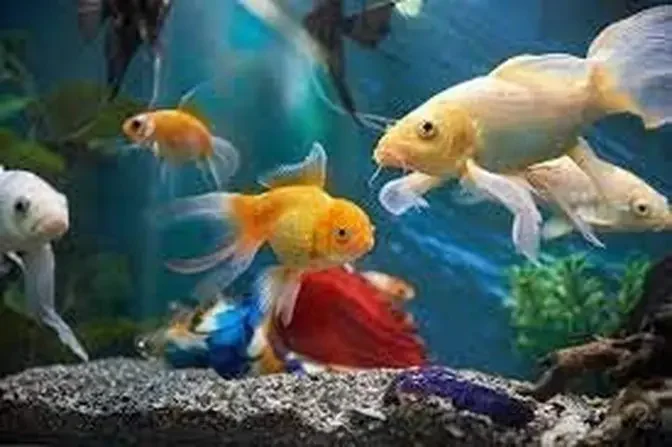
Imagine a small ecosystem consisting of fish, snails, shrimp, and plants.
Moreover, you can place this mini-ecosystem anywhere in your home.
Anyone can make this nano-aquarium, which is low in cost and requires little maintenance.
In this video, I want to show you how to make this natural nano-ecosystem.
So let's start.
This small simple LED light will illuminate this tank.
I want a clean image in the background.
I'm going to use frosted aquarium background film for this.
First of all, the backside of the aquarium needs to be cleaned thoroughly from the outside.
Dirt and lime will stay permanently visible and unreachable for cleaning if they are trapped
between pane and foil, and apart from that,
a certain cleanliness is very beneficial for the overall adhesive process.
Using glass cleaning spray makes it easier for the film to stick to the aquarium glass.
I always use dirt in my aquariums.
I'm taking this dirt from my own garden.
Garden soil is typically rich in nutrients,
which can benefit aquarium plants by providing essential elements for growth.
Using dirt in aquariums contain beneficial microorganisms that can help establish a
healthy biological balance in the aquarium.
It's very important to cover the dirt with a thick layer of sand.
I generally prefer to use river sand because river sand looks natural,
has no effect on water parameters, and is much cheaper than other sands.
After laying a thick layer of river sand on the dirt,
I'm decorating with stones I collect from nature.
I get a lot of questions about how I design the aquarium.
I don't really follow any particular rules.
I design however I want at that moment.
When I go to nature, I constantly watch the design of nature.
I imitate nature to make my designs look natural.
The result is always a beautiful view.
I want to make a nice and simple design.
I'm using three different types of plants for this tank.
These two plants are the same species.
The name of this plant is Eleocharis parvulus.
One was raised in the water and the other was raised outside of the water.
Emergent plants grow above the surface of the water,
while submerged plants grow within the water column below the water surface.
Usually when an aquatic plant from an emergent cultivation is placed underwater,
unlike submerged vegetation, emergent aquatic plants' original leaves will melt.
Without understanding this stage of the plant's adaptation to the new environment,
many aquarists quickly assume the erosion of leaves indicates their new plants have failed.
This process takes time and we should always expect some leaves to melt away.
New leaves will appear as long as we provide food
and the aquatic plants are well rooted in the soil.
The newly released underwater leaves often contrast with the original leaves
with slightly different shapes and colors.
Strangely, when plants more used to growing on dry land above the water surface become submerged,
form new leaves that are more rounded than before.
The fresh leaves are entirely normal and all part of the process of adapting.
The in vitro cultivation of plants means that individual cells or plant parts
are cultivated on nutrient media under sterile, laboratory conditions.
By adding certain growth regulators such as phytohormones,
new and intact plants can be generated from small pieces and even cells.
Aquatic plants from in vitro culture usually grow in their cups on a gel like nutrient medium.
Although its composition is completely harmless for other aquarium inhabitants,
it contains many nutrients and sugar, particularly in small aquariums.
This can contribute to bacterial water turbidity during the cycling phase.
It is therefore advisable to remove the nutrient medium thoroughly before planting.
When setting up a dirted tank, starting with lots of plants makes everything easier.
I usually use tap water during the initial setup.
The chlorine in tap water disappears within a few days.
But this does not mean that we can put fish immediately.
We have to wait a while to put fish in it.
I'm using this small filter to ensure circulation in the water.
The name of this floating plant is Salvinia nadens.
Floating aquatic plants can be a very effective way of adding filtration.
Since these are free floating plants,
they draw 100% of their nutrients directly from the water,
feeding on nutrients that would otherwise feed algae.
The name of this snail species is Horned Nerite snails.
These snails can withstand varied ranges of salinity, from freshwater to brackish water.
They are easy to care for and also add to the overall ecosystem of your tank as well,
as they are great cleaners and will have your tank spotless.
Shrimps are another algae eater creatures.
They work non-stop in every corner of the aquarium.
There are many color combinations and types.
Their contribution to the ecosystem is great.
I'm trying to add these creatures to every tank.
Also, I'm adding two Otocinclus in this tank.
They will be temporary here.
As a main fish, I'm adding a small school of Dwarf Resbora.
They're strikingly beautiful nano fish that is very popular among aquarists
due to its schooling behavior, peaceful disposition, and very small size.
This schooling fish can be the highlight in any peaceful community aquarium
and it is a particular standout in the planted aquarium.
With optimal diet and care, many males of this species display bright ruby-red coloration.
On day 30, everything is going well.
The fish are very healthy and the plants are growing rapidly.
It's time to do some trimming.
Trimming encourages new growth by stimulating lateral shoots and branching.
This leads to denser, bushier plants.
Regular trimming prevents aquatic plants from overcrowding the tank,
ensuring each plant receives sufficient light and nutrients for optimal growth.
Trimming helps to control algae by removing excess plant material
that could potentially decompose and contribute to algae growth.
Also, trimming maintains the aesthetic appeal of the aquarium
by preventing plants from becoming overgrown and unkempt.
It allows aquarists to shape and sculpt the tank according to their desired layout.
By removing older leaves and stems,
trimming facilitates the cycling of nutrients within the aquarium,
promoting overall water quality and ecosystem balance.
Overall, regular trimming is essential for the health
and aesthetics of aquatic plants in an aquarium.
We created this nano-aquarium that we can place wherever we want in our home or office.
It is possible to set up such a beautiful aquarium without spending a lot of money
and without getting too tired to maintain them.
In the following seconds, you will see the final views of the ecosystem.
I appreciate you subscribing to my channel and helping me grow.
I also share daily posts on my Instagram account.
You can check there too.
As always, thank you so much for watching this video.
See you in the next one.
Peace and love.