
The Ancient Civilization of Ancient Egypt
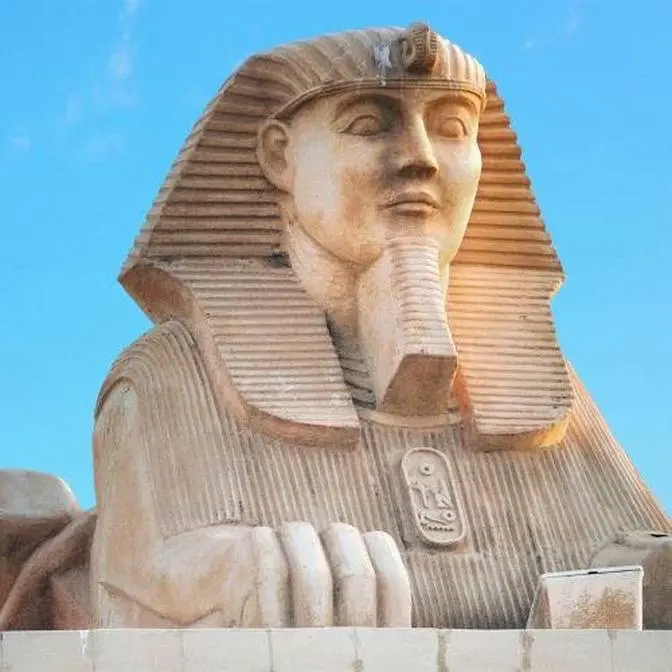
Ancient Egypt, one of the world's most fascinating civilizations,
flourished along the banks of the Nile River for thousands of years.
Renowned for its remarkable achievements in various fields such as architecture,
art, and governance, this civilization was characterized by its unique social structure,
religious beliefs, and monumental constructions.
At the heart of ancient Egyptian civilization was the Pharaoh,
the supreme ruler who was considered both a political leader and a divine figure.
The pharaohs were believed to be the intermediaries between the gods and the people,
responsible for maintaining ma'at, the concept of truth, balance, and cosmic order.
The role of the pharaoh was critical,
as they oversaw the administration, military, and religious practices of the kingdom.
Ancient Egyptian history is typically divided into several periods including the Old Kingdom,
Middle Kingdom, and New Kingdom.
Each period was marked by various dynasties,
with some of the most notable pharaohs emerging during these times.
Old Kingdom, around 2686 to 2181 BC, known as the Age of the Pyramids,
this era saw the construction of the most famous monuments including the Great Pyramid of Giza,
built for Pharaoh Khufu.
The pharaohs of this period established a centralized state and a powerful bureaucracy.
Middle Kingdom, around 2055 to 1650 BC, often referred to as the Classical Age,
was characterized by a renaissance in art and literature.
Pharaohs like Mentahotep II and Senusret III expanded trade and military power,
promoting stability and prosperity.
New Kingdom, approximately 1550 to 1070 BC,
marked the height of Egyptian power and cultural achievements.
Notable pharaohs such as Hatshepsut, Ramses II, and Tutankhamun ruled during this time.
Hatshepsut, one of the few female pharaohs, is known for her successful trade expeditions
and impressive temple constructions,
while Ramses II is famous for his military conquests and monumental architecture.
Religion played a central role in ancient Egyptian life.
The Egyptians believed in a pantheon of gods and goddesses,
each governing various aspects of life and nature.
Temples were built to honor these deities, and elaborate rituals were performed to appease them.
The afterlife was a significant focus of their beliefs,
leading to the practice of mummification and the construction of elaborate tombs,
such as the Valley of the Kings.
Art and architecture flourished in ancient Egypt,
with stunning wall paintings, sculptures and hieroglyphics
that provide insight into their daily lives, beliefs, and accomplishments.
The use of symbolism was prevalent, particularly in funerary art,
which aimed to ensure a successful transition to the afterlife.
The legacy of ancient Egypt extends far beyond its time.
The achievements of the pharaohs in architecture, governance,
and culture laid the groundwork for future civilizations.
The fascination with ancient Egypt continues today,
influencing modern art, literature, and popular culture.
Archaeological discoveries such as the tomb of Tutankhamun have captivated the world,
illuminating the richness of this ancient civilization.
In conclusion, the civilization of ancient Egypt led by the powerful pharaohs
was a remarkable era of human achievement.
Its contributions to architecture, art, and governance
continue to inspire and intrigue people around the world.