
Aksobhya The Unshakable Buddha of Wisdom and Tranquility in Asian Mythology
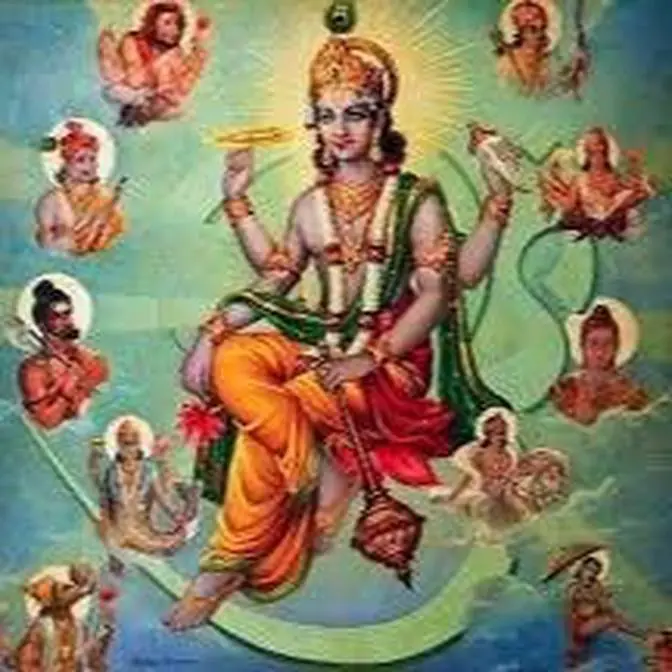
Aksobhya, a prominent figure in Buddhist mythology, is one of the five Dhyani Buddhas and embodies
the qualities of wisdom, serenity, and immovability. His name, meaning immovable or unshakable,
highlights his ability to remain steadfast in the face of challenges, symbolizing the ultimate
mastery over emotional turbulence and ignorance. Aksobhya holds a revered place in South and
Central Asian mythology, inspiring spiritual practices and artistic traditions throughout
the Buddhist world. Aksobhya is associated with the Eastern Pure Land called Abhirati,
a realm of bliss and enlightenment where beings can attain liberation from the cycle of birth
and rebirth, Samsara. This paradise, unlike others, is accessible to anyone willing to cultivate a
pure mind and practice compassion. Aksobhya's vow to create a land free from suffering demonstrates
his deep commitment to guiding sentient beings toward enlightenment, making him a central figure
in Mahayana Buddhism. According to Buddhist texts, Aksobhya's journey began as a bodhisattva
who vowed never to give in to anger or hatred. Over countless lifetimes, he remained true to his vow,
earning the title of the Unshakable One. His ability to transform negative emotions into
wisdom exemplifies the core Buddhist teaching of overcoming suffering through inner discipline
and mindfulness. In Buddhist iconography, Aksobhya is often depicted in a serene,
meditative posture, his right hand touching the earth in the Bhumi Sparsha Mudra,
earth-touching gesture. This gesture signifies his steadfastness and the moment he called upon
the earth to witness his enlightenment. The earth-touching mudra connects Aksobhya to the
historical Buddha, Siddhartha Gautama, who used the same gesture during his enlightenment under
the Bodhi Tree. This symbolic link reinforces Aksobhya's role as a figure of enlightenment
and stability. Aksobhya's blue complexion is another defining feature of his imagery,
representing the vastness and clarity of a pure, unclouded mind. The color blue is also associated
with water and space, reflecting his ability to absorb and purify negative energies. Aksobhya is
often accompanied by a Vajra, thunderbolt, or diamond scepter, a symbol of indestructibility
and spiritual power, further emphasizing his role as a guide to unshakable wisdom.
As the presiding deity of the eastern direction, Aksobhya represents the element of water
and the transformation of emotions into clarity and wisdom. His presence reminds practitioners
to cultivate patience, perseverance, and a calm mind, qualities essential for overcoming the
of life and achieving spiritual growth. Aksobhya's teachings and symbolism have
influenced Buddhist practices across South and Central Asia. In Tibet, he is revered as an
important figure in Vajrayana Buddhism, where rituals and meditations dedicated to him focus
on purifying negative karma and achieving a state of inner peace. His association with the Vajra
also connects him to the Tantric traditions, where he is seen as a protector and source of
In Central Asia, the spread of Buddhism along the Silk Road brought the worship of Aksobhya
to regions such as China, Mongolia, and Japan. His imagery can be found in cave temples,
sculptures, and paintings, reflecting his significance in the cultural and spiritual
life of these areas. The eastern Pure Land of Abhirati is a recurring theme in Buddhist art
and literature, offering a vision of hope and redemption for practitioners. Aksobhya's role
in contemporary Buddhism remains vital. His qualities of immovability and serenity inspire
mindfulness practices and meditation techniques aimed at cultivating emotional resilience and
clarity. In a world often marked by uncertainty and turmoil, Aksobhya serves as a beacon of stability,
reminding practitioners of the power of a calm and unshaken mind. The mythology of Aksobhya
invites reflection on the universal human quest for peace for peace and understanding.
His story teaches that enlightenment is not a distant goal, but a state of mind achievable
through discipline, compassion, and unwavering commitment to the path of wisdom. As a figure
of inspiration, Aksobhya embodies the transformative power of patience and inner strength,
offering timeless lessons for seekers on the spiritual path. Aksobhya's legacy extends beyond
traditions, symbolizing universal values of resilience, purity, and harmony. His teachings
and imagery serve as a reminder that even amidst chaos, it is possible to cultivate an unshakable
inner peace and illuminate the path for others. In the rich landscape of South and Central Asian
mythology, Aksobhya stands as a testament to the enduring power of wisdom and tranquility.