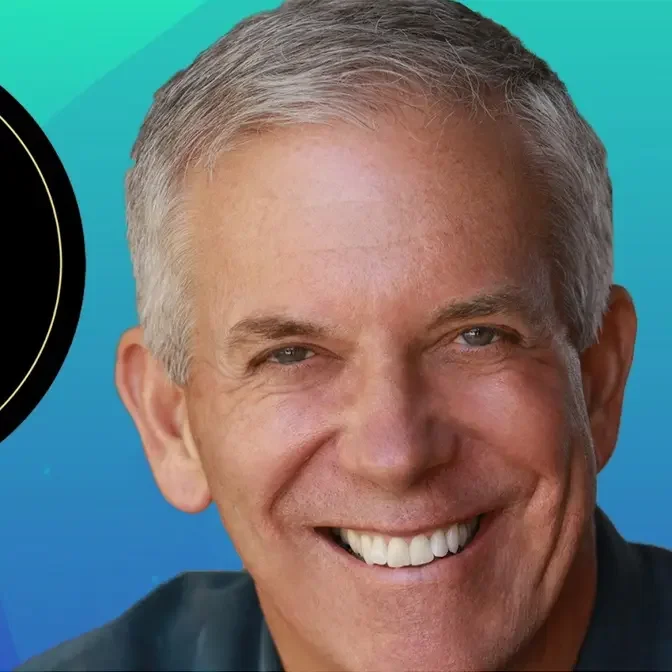
Our World War 2 California is part 2 of historic War sites that you can visit in Southern California. "Our World War II Dad" podcaster Chris Cangilla and I explore places and people in California that played a part in the Allies Victory in the war. The Lake Norconian Club resort was converted into a Navy Hospital right after Pearl Harbor. We visit with Warner Bros. legend, Bob Clampett's daughter Ruth, to talk about her Dad's war efforts in animation. To top if off Pat goes up in a PT-19 training plane at the CAF So Cal Wing museum at the Camarillo Airport.
“The Best of California with Pat Pattison” is a fast-paced half hour TV show that explores the natural wonder, people, history and mysteries of the California Lifestyle. California native and TV Host Pat Pattison explores the state’s nooks and crannies from the historic backlots of Hollywood, famous California Cuisine all the way to the mansions of the Gold Rush and Silicon Valley.
Watch us in: Los Angeles KAZA (MeTV) Ch. 54 Sundays 7:30am Fresno MyTV 53 Sundays 2pm RVTV.tv Funroads.tv Search your TV system for "Best of California" and there we'll be!
Welcome to Pat Patterson's Best of
California. In this episode, our World
War II California, part two. We're going
to show you the rest of the story,
places you can still visit to get you in
touch with the legacy of World War II
here in our great state.
[Music]
[Music]
This is the former El Toro Marine base I
used to come to as a kid shop in the
commissary all the time. Now, one of the
biggest legacies of World War II here in
Southern California is open land. A lot
of military bases were shut down. Some
developed commercially, but many serve
as open land area that we would never
have if they hadn't preserved the land
during that time. Other places that are
former military bases, the amazing
Prescidio up in San Francisco, the best
view in the bay. So, if you'll remember
in part one, we visited Galita, the site
of a surprise attack by a Japanese
submarine at a restaurant where you can
see some relics of that damage.
Camaro CAF SoCal Wing Aviation Museum,
where uniform curator Jack Lutter
decodes our father's uniforms. We went
to the Queen Mary in Long Beach and we
talked about its storied war history as
the gray ghost. We visited the area
above San Pedro that was Fort MacArthur
and its gun bunkers there that were a
part of the Battle of Los Angeles that
made headlines. Now, if you haven't seen
part one, be sure and watch it on our
YouTube channel. So, join me and my
guest host Chris Kangilla, the World War
II Dad podcaster, as we go and see the
rest of our World War II California.
We're going to visit historic places
like the Lake Nonian Club, a
star-studded resort that was converted
into a naval hospital the day after the
Pearl Harbor attack. Chris and I visit
with Ruth Clampet, daughter of fame
Warner Brothers animator Bob Clampet,
and talk about how Hollywood contributed
to the war effort. And we'll see an
encore of my adventure flying a PT19
training plane up at the CAF Camaro
Museum. Let's get going. I'm so excited.
We're here in Norcco and this is the
Lake Norconian Club Resort and Naval
Hospital. World War II Naval Hospital.
And I'm so happy to have Diane Markham,
the social media director, and Jody
Filkins, the secretary of the Lake
Norconian Club Foundation. And and you
guys are going to save this place. So
tell me about what your efforts are to
do this. We spend time, you know, doing
educational events, social media. We do
a lot of events where we have people
come and they sponsor us and we tell
them about the history. We talk about
the World War II history, how the
Hollywood celebrities that were once
there in the 20s came back in the ' 40s
to the World War II Naval Hospital to
entertain the soldiers as they were
recovering from their injuries. So, what
are the challenges with saving a
historic structure that you can't get
to? Some of the challenges are with the
bureaucracy. Okay. uh you know, we have
the Navy side and then you have the
rehabilitation side, but there have been
opportunities for us to actually get in
there with the fundraising efforts and
the money that we've raised. We've been
able to put pumps on the roof to pump
off the water to prevent continued
deterioration. But again, it's the
difficulty in dealing with the state,
dealing with the uh prison, the warden
and all of that. But on those occasions
in which we've actually been able to get
in there, those are the types of things
that we can do. boarding up windows um
or you know boarding up empty spaces,
preventing rodents from getting in
there, cleaning out the gutters and
things like that. And Diane was nice
enough being the social media m she is.
We have all these pictures of the resort
and we mentioned I was born here when it
was a naval hospital but it's really
like Hurst Castle. Beautiful, right? I
mean I mean because I don't think
anybody has any idea even looking at its
grandeur from here and I know it had one
of the first big swimming pools that had
big swimming pools. Yeah. An Italian
marble that is in the dining room is is
simply amazing. And and as Diane says,
uh, a lot of the studio people came out
and there was a big golf course, I
believe. Yeah, golf course. There was
bowling alley. So this was the this was
the mirage of its day. Yeah. Exactly.
And all those soldiers got to have
dinner in the, you know, dining room,
the grand dining room from the 20s, you
know, in the fine silverware while they
were recovering from their injuries.
Yeah. And so it's a mixed bag that this
is on prison grounds because it might
not be there if it hadn't been for the
Navy. and the state. I mean, some some
developer might have torn it down and
build homes. So, so we got to be
respectful of that. And yet, it's time
to do something about the structure. It
is. And we love it. And you could see
from here. It's so gorgeous. There's
area inside called Peacock Walk. You
should look at it. It's on our social
media. There's photos. Peacock Walk.
Yeah. It's like this big huge wood
structure, handone. It's so gorgeous.
It's really epic. Like club.org.
become a part of this club. Let's save
this building. If you state officials
are listening to us, we have to save
this building. So, Jody and Diane, thank
you so much. Thank you so much. Great.
Thank you. Thank you.
[Music]
So, it's time to take your second act
creative view turn. Today's topic,
hobbies, genealogy. my family tree. I've
always wanted to know where I came from.
Thought I was Irish. Patrick Patterson.
Turns out I'm Scottish. So, I developed
a plan to have a family trip over to
Scotland. I went on Facebook groups to
find out more about the local uh history
genealogy. People flooded me with data.
I contacted a local expert, the Elgen
Heritage Council over there in Scotland.
They have them all over the UK. Check
those out.
I was able to go and check out a
newspaper which had a number of listings
regarding my grandfather and
great-grandfather and they found out the
hotel they owned was still there. I
could go visit it with my daughters.
Incredible. And then last but not least
was enjoying the trip booked by a travel
expert. I didn't know how to do it so I
turned it over to a travel agent which I
know many of us don't use anymore
because of the internet. But boy am I
glad I did it in this case. Now, not
everybody can afford a trip to Scotland.
But you can do all of this via Zoom. I
did the library. I did the Heritage
Council. All via Zoom. Hope you enjoyed
how I've done my creative U-turn. Now
it's time for you to do yours.
I'm so excited. We are here with
Hollywood royalty. I'm at Ruth Clampid's
house with Chris. And Ruth, no. And your
father, Bob Clampid, is one of the most
famous animators in Hollywood. He's my
favorite. He's your favorite. He's your
favorite. He was part of the Warner
Brothers, Bugs Bunny, Porky Pig, Daffy
Duck, Sylvester, Tweety Pie, all of
those. And it's just so nice of you to
have us to your home here. I'm excited
to share it with everybody. So, Oh,
thank you. Thank you. Yeah, you guys are
great. So, Oh, good. Here we go. So,
remind me in terms of the characters.
Your dad was responsible for what? Yeah.
So, he Porky Pig. What happened was um
Slesinger
they didn't have a character that was
really taking off and so he asked the
group to come up with some ideas and he
said think about the little rascals you
know the little you know and that was a
good thing cuz you know he normally
wasn't ever telling them what to do but
he realized and so dad he actually um
won some money for it they were doing
you know like who can make this work.
Wow. But he's always been an artist
right? He's always Oh yeah. He was
drawing. He he was drawing before he
could walk. And um he started um he'd
take they back then toilet paper was
very strong. He would like make pictures
like I it's I don't even know how at
that age, but it was already a comic
strip almost going down vineard. And
when he was 12, he entered into um a a
contest on the newspaper. Um, and he he
did this whole, you know, fun thing
about a cat and he won. Wow. And so that
was amazing because he got to go to the
very fine art school. They paid for it
for like a couple of years and um, you
know, it was just thrilling. They got
his training and I know there was a
brush with the Disney studios. You
mentioned that he almost went to work
for Walt. Yeah. But they offered him a
job and it sounds like the timing was
wrong. So he they he said, "You're going
to have to wait." Said, "Wow." Yeah. Cuz
my dad there'd be no Porky Pig making. I
know. Can you imagine the world without
Porky Pig? It could be a Disney Porky
Pig. It might have been a Disney Pork.
Yeah. I mean, he had just started seeing
cartoons. And um knew he wanted a part
of it. Yeah, he really did. And so, um,
Walt had him do specific drawings to see
how he drew and everything. And I think
they went through it twice. And then he
said, "I'm going to hire you, but you're
going to have to wait 2 or 3 months cuz
we're about to move." And um and dad
thought, I there's this one other man
I've met that's that's working at the
studio and um he helped me make a a
thing for I was making my own film and
the the you know, the opening didn't
look good. So he and the guy did it for
him for pre and it was Slesinger. Oh
wow. And so when when um Slesinger sees
him and oh my god, I can't believe this
kid is here. And he's and he probably
threw in a little bit. And by the way, I
have an offer from Disney, just FYI. I'm
sure dad did. He was very charming.
Yeah. You know, and he he um Oh, wow. He
could really make make things happen. It
was something. Well, history got changed
on that that pivot. Now, I'm going to
fast forward just a little bit because
we're here to talk about World War II.
Yes, that's so and I know that he was
involved in the war effort. This is
Chris's Bailey Wick. We're doing a whole
episode about it. Tell us a little bit
about his history during the war. Um
well, he he wanted to do whatever he
could to, you know, he lost some of the
people on his team because they were,
you know, had to go. But um he he really
realized cuz he used to go into theaters
and sit in the back and see how things
were working and what was funny and what
wasn't. And he just realized people are
really sad right now. And if there's a
way to do something that, you know, kind
of makes them happy. Um the cartoons
were very popular, you know, at that
time. They needed it. And so um yeah, so
he the the coolest thing he did was um
Should I show it? Yeah, sure. Sure. This
is a picture. Should I hold it up
against the the white background? It
might work. It might it might work. I
don't not sure if you can see it, but it
looks like a cell from Annie Bonds
today, right? Yeah. Yeah. So, let me ask
you, Ruth, because as Pat alluded to, I
do a podcast with my brother where we
talk about my dad, our dad, our World
War II dad is the name of the podcast,
and that's how Pat and I bonded cuz he
also has a World War II dad. And you I
know I don't look that old. And your
World War II dad helped in the effort,
too. So, we're all children of World War
II fathers that really contributed to
the war effort. now with any Bonds today
which was a 902 short I believe that was
shown before some Warner films right um
he uh wrote that and directed it what do
you know about that project I don't know
about the music to be honest with you
yeah the music came from Irving Berlin I
think but I think he wrote you know and
changed the stuff okay you're right
about that
the tall man with the high hat will be
coming down your way savings out when
you hear and shout any bonds today. Come
on and get them, folks. Come on, skip
right up and get them. Any bonds today
of freedom, that's what I'm selling. Any
bonds today.
And um he just made it really fun. you
know, they're dancing and they're, you
know, the two are in their uniform and
it's it's it's just it was a great thing
to do because they wanted everybody to,
you know, step up and and get the what
did they call those? Wars. Yes. Bugs is
throwing them out. Get your bonds today.
Everybody get your bonds. Yeah. I mean,
it's it's an incredible uh effort
because, you know, there are so many
stories like this. Some, like you said,
some on his staff got to had to go fight
the war. But there's such an
concentrated effort here at home with
the other people to really support that
war effort. And I'm sure he raised by
doing this 90 short raised so much money
so those boys could fight it properly
and had what they needed. Right.
Definitely.
Go dad. Sure. That's dad saying
something. You bet. So So anyway, sorry.
Hi, Dad. And um and what was really cool
was that it was for years and it might
still be true. It was shown in every
every place where it might be one of the
only things that's been in every
theater. It was in every theater because
they wanted to get this out to everybody
and they didn't have television yet. So
um that that's a big deal. I thought it
was really cool. So, you know, I think
that at that time when it was so hard
for people and stuff that to bring in
the these cartoons and and you know, see
them dancing to get, you know, help
everybody, it it it meant a lot. Let me
ask you this. You know, obviously you
weren't talking with him while he's
doing this work. You know, you weren't.
But what did he say about the
importance? What did it mean to him
emotionally to do that? Did he share any
of those? He, you know, I think that,
you know, he just knew that how
important it is um to be, you know, to
be whatever you are in in the, you know,
the supporter and and um he just I I
think he stepped back and he thought,
"What can I do? What can I do that's
going to do something with my talents?"
Yeah. Yeah. And so if we can make
cartoons that just make people happy and
and know that Bugs Bunny is talking to
him and all that that that he thought
that would be a really good thing. So
that's wonderful. Yeah. Hu huge morale
booster. Yeah. Yeah. He had a great
personality for that and and um you know
I've always I've always been very
honored and and you know I think very
highly of my dad. He was he was a great
dad and amazing artist and and uh I love
that he really wanted to help people.
Have there have other entities
recognized the creative effort for World
War II? I mean I we're we're kind you
know there's a little bit of a
renaissance not just Chris but you know
and appreciating that generation is is
is there any recognition of your dad's
effort? Yeah I think I think he there
was Yeah. And he, you know, he he was
really proud of that. Yeah. Very proud
of it. Yeah. Ruth Clampet, thank you so
much. This is wonderful. This is
wonderful. From a World War II child to
another, thank you for your dad's
service to our our great country and and
uh and talking with us today. It means a
lot. It really does. And I'm I'm happy
to be here with you guys. Terrific.
Okay. Camaro. And we are at the
Commemorative Air Force Museum. This
place is unbelievable. And I'm nice
enough to have uh Ron Fleshman here with
us, one of the volunteers. All volunteer
museum.
Wow. And I know primarily people come to
see what's behind us. Tell me about
these planes. The silver airplane is a
Navon. So we've restored it to look like
an airplane as this as an air base. It
was based here. I got you. One of these.
Yeah. Was that Tora Torra? Yeah. The
green airplane behind us is a replica
Kate. When they made to tour to tour,
there were no real Japanese airplanes.
General MacArthur when he took over
Japan, he didn't want any crazy
kamicazis to get in one of the airplanes
and do something. Well, he rendered it
inoperative and then he said, "Destroy
them all." Oh, wow. Cuz when they made
the movie, they needed a Japanese fleet
to attack Pearl Harbor. So, they took uh
PT19s and PT7s and AT6 old trainer
airplanes, flew them down to Long Beach,
and there was a company that spliced
them, cut them, and welded them all
together. Wow. Voila. Instant Japanese
fleet. Great. Well, Ron Fleshman, thank
you so much for doing this work. Thank
you for coming. We appreciate you being
here. This is amazing. So, Commemorative
Air Force Museum here in Cam Rio. You
got to check it out. I'm with Sean
Broadhead. And Sean, what do you run
here at the museum? I run the cadet
program, the commemorative Air Force
SoCal Wing. So, you're working with
young people to do what? Yes, we are. to
educate them, inspire them, and to honor
World War II and all veterans. As a
pilot, you know, it's important to
understand these things because I am
glad that the man that's taking me up in
a plane knows all that stuff. You are
correct. You are correct. At our show,
we had a World War II veteran as part of
the show. And I point out to him that
this museum is about him. Yeah. And
every veteran that's ever been a veteran
for us. keep that memory alive. We keep
that going. The the easy part for me
with the cadets program is the resources
I have here. Isn't that great? I mean,
I've got I've got people I literally
have rocket scientists. I literally have
pilots all over the place. I I have
people that have their own aircraft. I
have people that built their own
aircraft. I have people that have
history that have forgotten more about
some of the history than I'll ever know
in my life. There we go. Some of our
dosent around here and they know more
about all these aircraft and everything
about World War II and all volunteers.
And all volunteers. That's so so
wonderful. Even more fun here at the
museum. I'm with Steve Ryder and we're
going to go up in a plane. Tell me about
this plane, Steve. This is a Fairchild
PT19. It's a World War II trainer and
it's the primary trainer. And is it my
understanding the general public can
come do this? Oh, absolutely. Oh my
gosh. This is a flying experience
museum, you know. Yeah. So, that's
exactly what it's for, right? So, here
we are at the museum and Mike, you're
going to show me the safety rules and
whatnot, right? So, that I come back.
Well, we want you to come back. More
importantly, we want you to have a good
time. We want you to have a good time.
Rule number one is have a good time.
Rule number two is stay safe. So, you
can hold on here. You can hold on to the
couch. Got it. Swing a leg over. You can
stand on the seat. Don't hold on to the
windshield. You want to hold on here.
I'm going to have to get up closer to
you. That's fine. Get a little more
elevation.
Giddy up, horsey. Oh, there we go. Easy
money, right? Okay, now you should have
another belt on the other side. Blow if
you want to grab onto something. Okay,
gotcha. This is vertical speed, how fast
up and down you're going. Good deal.
Engine RPM. Yeah. Temperatures, oil
pressure, etc., etc.
Heat.
[Music]
Heat.
Heat.
[Music]
[Applause]
[Music]
[Music]
Heat.
[Music]
[Applause]
[Music]
Well, I hope you've enjoyed our World
War II California part two. Special
thanks to guest host Chris Kangilla and
tune in to his Our World War II Dad
podcast with his brother. Amazing. Tune
in next time to Pat Patterson's Best of
California right here on this station.
[Music]
[Applause]
[Music]
[Music]
What's the best in your California city?
Go to our website bestofcal.tv
and tell us about it. We'll come cover
you.