"GOOD CONTENT"#corgi#Pets#dog Welcome to the hidden world of Corgis! 🐾 In this video, we reveal 8 secrets you probably didn’t know about these charming and clever dogs.
From their unique short legs built for herding, to the key differences between Pembroke and Cardigan Corgis, and even the royal connection with Queen Elizabeth II — we cover it all! Learn about their double coats, herding instincts, chasing behaviors, surprising swimming abilities, and what makes their friendly, energetic personalities so lovable.
We also dive into important health tips to keep your corgi happy and thriving for 12 to 15 years.
Do you have a Corgi? Share your stories with us in the comments below! If you enjoyed this video, please like and share to help fellow dog lovers discover the magic of Corgis.
Welcome to the hidden world of Coggies. Today, we're sharing 8 secrets you probably never knew
about these charming little dogs. 1. Coggies' short legs were designed
for herding Coggies were first bred in Wales as cattle
herding dogs, and their short legs weren't just cute, they were practical. Staying low to the
ground helped them dodge kicks while nipping at cattle's heels to move them along. Over time,
their adorable looks made them popular as pets, but their clever herding instincts are still part
of who they are today. 2. Pembroke vs Cardigan
Spot the difference. There are actually two types of Welsh Coggies, Pembroke and Cardigan.
The easiest way to tell them apart? Cardigans have long, bushy tails, while Pembrokes usually
have dog tails or are born with a natural bob tail. Cardigans are also slightly pointier ears,
while Pembrokes have slightly rounded ears and come in classic red, sable, or tricolor coats.
3. The royal connection Coggies became world famous thanks to
Queen Elizabeth II. She fell in love with Pembroke Welsh Coggies as a child and owned more than 30
of them throughout her life. Her devotion to the breed made them one of the most recognizable and
beloved dogs in the world. 4. Double coats and serious shedding
Coggies have a double coat, a weather-resistant outer layer, and a soft, insulating undercoat.
This clever design kept them warm and dry while herding cattle in the Welsh countryside,
but it also means they shed a lot. Regular brushing helps manage the fluff and keeps
their coat healthy. Plus, it's a great way to bond with your Coggie.
5. Herding is in their DNA Coggies may be short, but don't let that fool
you. They were bred to move cattle, and that herding instinct is still strong today. Many
Coggies will try to herd their families, circling or even gently nipping at heels.
They're also highly intelligent and quick to learn, but don't mistake smart for easy. Coggies can be
stubborn, so consistent training and plenty of mental exercise are key.
6. Coggies have a chasing instinct While they weren't bred to hunt,
their strong herding roots mean they can't resist chasing moving things. Whether it's a ball,
a squirrel, or even a running child, that's why off-leash adventures require careful supervision.
And a securely fenced yard is a must to keep your Coggie safe and sound.
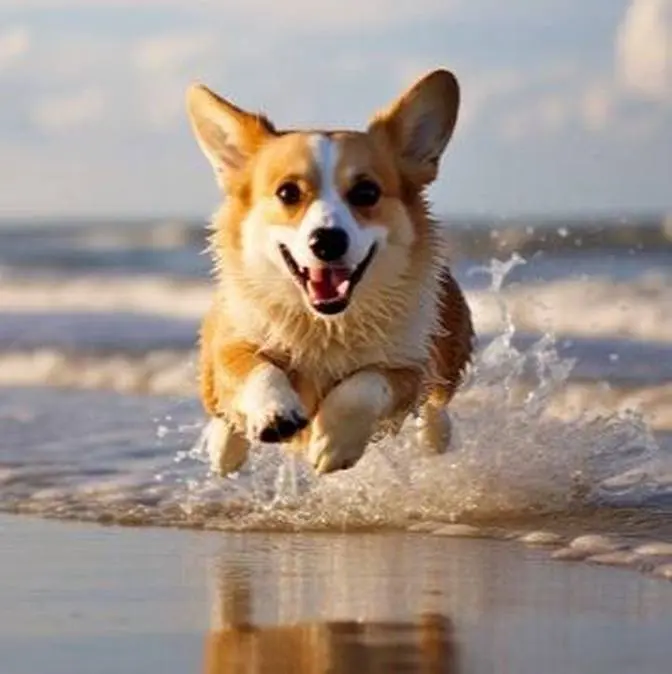
7. Coggies can swim But it's not always easy. Thanks to their
slightly webbed feet, Coggies can paddle through water better than you might expect.
Their thick double coat helps keep them warm and buoyant, but it gets heavy when wet,
which can tire them out faster. Because of their long bodies and short legs,
swimming can be harder work for them than for some other breeds.
Some Coggies love splashing around and even herd waves, while others prefer to stay dry.
It all depends on their personality. Always introduce your Coggie to water slowly,
watch for signs of tiredness, and consider a doggy life vest for extra safety.
8. Friendly, energetic, and long-lived Coggies, both Pembrokes and Cardigans,
are known for their friendly and loyal personalities, forming strong bonds with
their families. Their herding roots mean they're full of energy and love activities like hikes,
fetch, or agility. They're social butterflies who usually enjoy being around people
and other pets, especially if socialized early. On the health side, their long backs and short legs
put them at risk for issues like intervertebral disc disease, so it's important to keep them at
healthy weight, avoid high jumps, and use harnesses instead of collars. Other common
concerns include hip dysplasia and some eye problems. With good care, Coggies typically
live 12 to 15 years or even longer. So there you have it, 8 things you probably didn't know about
Coggies. Do you have a Coggie? We'd love to hear about them in the comments below.
If you learned something new, don't forget to like and share this video.
Thanks for watching, and we'll see you next time.