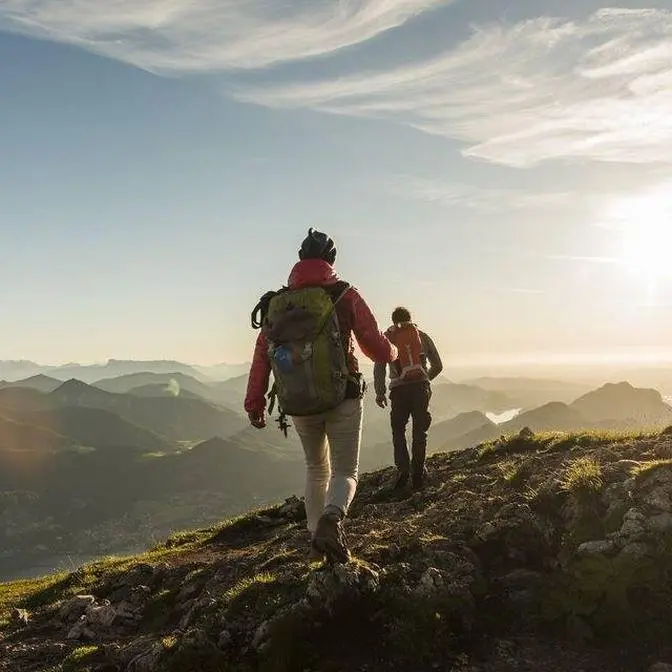
A comprehensive guide to help you embark on your own Manaslu Circuit Trek in the Nepal Himalayas, including Tsum Valley, which borders Tibet. This hiking guide includes a detailed day-to-day itinerary, essential gear recommendations, seasonal weather insights, cost breakdowns, and my personal highlights of the hike. Learn how to experience authentic Tibetan and Nepalese village life, unlock the secrets within Tibetan monasteries, and go hiking with dogs, goats, yaks, and donkeys through breathtaking valleys and over awe-inspiring mountain passes for yourself!
I collaborated with Himalayan Tahr, an entirely local and indigenous team to the area, on this hike for my main YouTube Channel. Because my guide and porter were both locals from a village in Tsum Valley, we were able to catch a glimpse of Tibetan village life by visiting their family homes and unlocking many monasteries in the villages.
00:00 - Intro 01:06 - Overview 02:07 - Things You Need to Know 04:04 - Best Time to Go 05:21 - Example Itinerary 24:22 - My Personal Highlights 27:50 - Budget 29:33 - What to Bring 30:56 - Conclusion
Credits
🎥 All 4K footage in this hiking guide shot on location by me, Nicholas Eager. 📝 Script, itinerary, and other information also written by myself. 🎤 Voices by ElevenLabs: https://elevenlabs.io/?from=partnermu... 🎵 The following music was used for this hiking guide:
"Ethereal Relaxation" Kevin MacLeod (incompetech.com) "Loopster" Kevin MacLeod (incompetech.com) Licensed under Creative Commons: By Attribution 4.0 License http://creativecommons.org/licenses/b...
Welcome to the extraordinary Manaslu circuit trek in Nepal, an odyssey through the heart of the
Himalayas. Immerse yourself in the untamed beauty of remote villages, towering peaks,
high altitude base camps, ancient monasteries, and serene alpine lakes as you navigate through
this breathtaking landscape. This hiking guide opens the door to a world where ancient traditions
meet rugged landscapes, offering a glimpse into the rich cultural tapestry of the region.
From tranquil valleys to challenging mountain passes, the allure of this trek lies in its
ability to captivate the spirit of adventure seekers and nature enthusiasts, inviting them
to experience the raw splendor of the Manaslu region firsthand.
Hello, I'm Nicholas Eager. As an experienced independent hiker, I've crafted this comprehensive
guide to help you embark on your own awe-inspiring Manaslu circuit trek in Nepal. This detailed and
captivating guide offers a comprehensive and insightful journey through the highs and lows
of this remarkable trek, providing a detailed day-to-day itinerary, essential gear recommendations,
seasonal weather insights, cost breakdowns, and my personal highlights of the trek.
This guide aims to equip trekkers with the knowledge and understanding to embark on a
fulfilling and unforgettable adventure through the stunning landscapes of the Manaslu region.
Now, if you're new to this channel, I craft expert hiking guides that help you go on your own
adventures. So if you like this kind of content, then maybe consider subscribing so you don't miss
out on any future videos. Embarking on the Manaslu circuit trek in Nepal is an enthralling endeavor,
but preparation is key for a safe and fulfilling journey. Here are four things to know before you go.
Prioritize safety at all times during the trek by being mindful of weather conditions,
carrying essential first aid supplies, and adhering to the guidance of experienced local guides.
The trek involves crossing landslides and rickety bridges, clinging to cliff sides, demanding caution.
The Manaslu circuit trek is arduous and demands a high level of physical fitness.
You should feel at ease spending several hours per day hiking and be ready for rocky uneven terrain.
Undertake comprehensive physical training and endurance building exercises
to prepare for the challenging terrain and high altitudes encountered during the trek.
While it's a requirement to enlist a guide in the Manaslu conservation area,
you do have choices. Whether you choose a freelance guide or opt for a complete trek
package from a reputable company, having an informed guide can elevate your trekking adventure,
offering valuable insights into the local culture and geography.
Tea houses are available at regular intervals along the route, offering both food and
accommodation. Although tea houses can be quite basic, you can expect warm beds and delicious
meals such as dal bhat at every village. By keeping these things in mind, hikers can lay a
strong foundation for a rewarding and memorable Manaslu circuit trek. Depending on your personal
preferences and the kind of trekking experience you're looking for, there is no one best time
to hike the Manaslu circuit. The two main trekking seasons in Nepal are, however, generally the spring
and the autumn seasons. The best time to hike the Manaslu circuit to see the area in bloom
is in the spring, from March to May. The rhododendrons, Nepal's national flower,
are in full bloom and the weather is mild. Additionally, there are fewer people on the
trails which makes for a more tranquil trekking experience. The most well-liked trekking season
in Nepal is the autumn, from September to November, and for good reason. The ideal
conditions for trekking are provided by the clear, dry weather. Great views of the mountains are also
made possible by the clear skies, but be aware that the trails might be very busy at this time.
Understanding the distinctive characteristics of each season enables trekkers to plan their
journey accordingly, ensuring a safe and enjoyable experience while reveling in the
natural beauty of the Manaslu region. Now let's walk through a detailed example itinerary
for the Manaslu circuit trek. As with many routes in Nepal, tea houses are prevalent and can be
expected at every village. Additionally, there are numerous side trips waiting to be discovered.
Keep this in mind while we journey forward together and know that there is no one best
route you can take. As you tread upon this sacred terrain, prepare to be enthralled
by the timeless allure of the region, where each step unveils a tapestry of raw beauty
and cultural wonder, promising an expedition of unparalleled discovery and transformation.
Day 1. Arriving in Kathmandu. As the sun rises over the bustling city of Kathmandu,
you find yourself immersed in the vibrant sights and sounds of Asan Market. The narrow streets
teem with life as locals go about their daily routines, haggling for goods and trading stories.
Take a moment to absorb the energy of this bustling hub before retreating to a peaceful spot
to savour the sounds, smells and sights of Kathmandu. After a long flight, use this day
to unwind, acclimate to the altitude and prepare for the adventure ahead.
Day 2. Driving from Kathmandu to Machakola. As the day breaks, you embark on a long and bumpy
journey from Kathmandu to Machakola. Enduring the rugged terrain, the journey takes at least
8 hours, but the scenic views along the way serve as a prelude to the adventures awaiting you.
As you arrive in Machakola, a larger village perched on a hill beside the Budigandaki River,
a sense of tranquility encompasses you. A suspension bridge beckons you to cross,
revealing natural hot springs below, the perfect respite for weary muscles.
Day 3. Hiking or driving from Machakola to Jagat. As the years pass, the starting point for the
Manaslu circuit trek moves up the valley. At the time of writing this hiking guide,
the road from Machakola to Jagat is under heavy construction, making the path less inviting.
You can opt to hike or endure another extremely bumpy jeep ride to reach Jagat. Upon arrival,
the larger village of Jagat welcomes you with striking views of the Budigandaki Canyon,
offering a glimpse into the rugged beauty and timeless allure of the region.
Day 4. Hiking from Jagat to Lokpher. On this day, you embark on a picturesque hike
along an excavated road flanking the Budigandaki. As you traverse small villages and pass over
grand suspension bridges, the landscape unfolds before you, offering glimpses of local life,
including encounters with nomadic shepherds tending to their goats
and the sight of donkey caravans in motion. Upon reaching Lokpher, the first village in
quaint tea houses offer respite for weary hikers, providing a tranquil environment
to rest and prepare for the forthcoming ascent. Amid this idyllic setting, you may even witness
locals engrossed in their daily chores, adding another layer of authenticity to your experience.
Day 5. Hiking from Lokpher to Dramba. Today's journey leads you along the serene Siarkola,
where you'll witness donkeys skillfully navigating rickety walkways perched alongside daunting
cliffs. The scenery transitions as the path unfolds into the embrace of a beautiful valley.
Arriving at Dramba, a small village nestled at the convergence of two rivers
allows you to savour moments of tranquillity amidst the captivating natural surroundings,
providing a peaceful respite and an opportunity to immerse yourself in the timeless allure
of the landscape. Day 6. Hiking from Dramba to Lamagon. As you ascend alongside the Siarkola,
you'll encounter numerous manny walls, stupas and gates, each bearing testament
to the rich cultural tapestry of the region. Upon reaching Lamagon, a larger village nestled
in the heart of a sprawling valley, take the opportunity to engage with the local community,
gaining insights into their daily routines, traditions and way of life. Immerse yourself
in this vibrant cultural exchange amidst the serene surroundings, forging connections that
unveil the authentic charm of the region. Day 7. Hiking from Lamagon to Chula.
Continuing your journey alongside the Siarkola, the trail weaves through the serene valley,
offering a chance to visit the historic Milarepa Cave, an ancient Buddhist site
suffused with spiritual significance. Keep a keen eye out for a monumental stupa
that punctuates the landscape. Upon reaching the small yet picturesque village of Chula,
take in the traditional stone houses and consider visiting the Gongye Gompa,
which enriches the cultural tapestry of the region. Should time and circumstance allow,
a visit to Mu Gompa, further up the valley, presents a unique opportunity to partake in a
deeply spiritual experience, including the chance to spend the night within the monastery's
hallowed walls, offering a rare and enriching connection with the ancient traditions of the
region. Due to a snowstorm on my own adventure, we headed back down Sum valley without visiting Mu
Gompa. Day 8. Hiking from Chul to Chekampar. As you bid farewell to Chula and begin your descent
along the Sum valley, take the opportunity to revisit the villages that coloured your initial
ascent, retracing the steps of your onward journey. Delve into the rich tapestry of local life,
engaging with the communities and savouring the subtle shifts in perspective that come with
traversing familiar paths in a new light, creating a deeper connection with the landscapes and
communities that have left an indelible mark on your expedition. Day 9. Hiking from Chekampar to
Lakva. As you continue retracing your steps toward the main Manaslu circuit, a sense of familiarity
accompanies your journey. Embrace the opportunity to embrace the landscapes and communities with a
renewed perspective, recognising the subtle transformations that have occurred within you
since your initial passage. Each step serves as a poignant reminder of the unbreakable bond forged
between traveller and terrain, inviting you to savour the timeless allure of the trail
with a deeper understanding and appreciation. Day 10. Hiking from Lakva to Pua. Reuniting with the
spirited waters of the Budi Gandaki river, you have the option to follow the easier route along
the riverbanks or, should you feel invigorated, take on the additional climb to Nyak village,
each pathway offering its own unique rewards. Nyak is perched atop a plateau with incredible
views of the surroundings. After stopping for tea at a local home, you will continue down towards
the river. Arriving at Pua, a modest village nestled alongside the rushing river, the soothing
symphony of the water provides a tranquil backdrop, offering a restful ambience for weary
travellers seeking repose amidst the captivating sounds of nature. Day 11. Hiking from Pua to Gyaul.
Continuing your journey along the Budi Gandaki river, you'll pass through several villages
and traverse suspension bridges before beginning the ascent towards Sarang Monastery after Bihi.
While many travellers opt to continue along the river toward Prok or Gap, veering off the beaten
path towards Sarang Monastery unveils a profoundly rewarding journey for those with extra days to
spare. Arriving at Gyaul, a quaint village nestled serenely on the hillside, nearly untouched by the
influence of tourism, offers a tranquil sanctuary and a perfect vantage point for early morning
views of the majestic Manaslu, promising an unforgettable and soul-stirring encounter
with this revered peak. Day 12. Hiking from Gyaul to Sarang Monastery. Embarking on a challenging
ascent to Sarang Monastery, the arduous climb leads you to the revered sanctuary perched atop
the lofty heights. Upon reaching the monastery, the sense of achievement is matched only by the
heartwarming welcome of the lively young monks-in-training, infusing the sacred grounds
with an infectiously vibrant energy. Despite the difficulty of the climb, the endearing interactions
with these spirited novices serve as a source of inspiration and a deeply enriching experience
amidst the tranquil mountaintop setting. Day 13. Rest Day at Sarang Monastery.
Embrace the serene sanctuary of Sarang Monastery as you dedicate a day to rest and immersion in
the daily rhythms of the monks and nuns. Witness the sacred rituals, have the honor of meeting the
Rinpoche, and engage in unhurried exploration, whether indulging in a leisurely day hike
or simply reveling in the tranquility of this warm and inviting haven. This restful interlude
offers a soulful communion with the spiritual essence of the region,
fostering a deeper connection with the timeless traditions and authenticity of the monastery.
Day 14. Hiking from Sarang Monastery to Gap. Transitioning from Sarang Monastery, the trail
leads you upwards before sharply descending the mountainside to reconvene with the Budi Gandaki
River in the lower valley. As you descend, a glimpse of the majestic Manaslu may grace the
distant horizon, enchanting the senses. Behold the captivating vistas of Prok Village, etching
an indelible memory in your mind. Arriving in Gap, a small village enveloped in tranquil environs,
you may find the allure of Prok and its cliff-perched farmland and monastery beckoning
to you. Venture forth to explore this captivating setting if you so choose.
Day 15. Hiking from Gap to Shyo. Continuing alongside the Budi Gandaki, the trail leads
you through quaint villages, past stupas, and alongside local farmers and their trusty donkeys.
Should you fancy a latte or a delectable apple pie, indulge in a delightful lunchtime treat
in Namrung and marvel at the splendour of a nearby breathtaking waterfall.
Arriving in Shyo, a small windswept village perched atop a lofty cliff offers a serene
respite and an opportunity to meander through the village, savouring its rustic beauty and
soaking in the tranquil ambience. Day 16. Hiking from Shyo to Shiala. Traversing along the river,
your journey upward leads you to the village of Lo, offering a perfect setting for a delightful
lunch amidst stunning vistas of Mount Manaslu and a glimpse into the timeless traditions
through a traditional puja ceremony. Continuing on, you'll arrive in Shiala, a larger village
exuding serene charm. As you settle in for the night, ensure to rise early and witness the
magnificent sunrise casting an ethereal golden glow upon Mount Manaslu, a truly enchanting
and unforgettable experience. Day 17. Hiking from Shiala to Samagon. Setting out from Shiala, consider
the rewarding detour to Punggien Monastery, where an ancient monastery and breathtaking views of
Mount Manaslu await, making the extra effort truly worthwhile. The journey back unfolds in a panorama
of brilliant vistas. Reaching Samagon, a larger village serving as the base for climbers embarking
on the ascent of Manaslu offers a multitude of accommodations. Venturing into the more rural
areas of the village allows glimpses into the traditional Tibetan village life, preserving the
authentic allure of the region amidst the influx of modern amenities. Day 18. Day hike to Berendra
Lake and Manaslu Base Camp. Embrace a well-deserved day of rest in Samagon, or should you feel
energized, consider a challenging hike to Manaslu Base Camp, where the sight of climbers preparing
for their expeditions invites you to partake in the pinnacle of mountaineering endeavors.
The morning views of Manaslu from Samagon rival those from Shiala, offering a mesmerizing
spectacle that serves as a palette of inspiration for the adventures that lie ahead.
Day 19. Hiking from Samagon to Samdo. Embarking on a relatively flat and brief stretch alongside
the Budigandaki River, the trail leads you to the authentic Tibetan village of Samdo,
beckoning you to wander amidst its timeless charm. While I recommend keeping this a short day,
those confident in their abilities may opt to continue onward to Dharamsala,
with the promise of a rewarding adventure awaiting the intrepid traveler.
Day 20. Hiking from Samdo to Dharamsala. Embarking on this short yet significant day,
the trail leads you upward to the modest settlement of Dharamsala, comprised solely
of a few teahouses with limited services. Embrace the sweeping panoramic mountain views,
and take this opportunity to rejuvenate your spirit, for the most challenging day of your
journey lies ahead, promising to test your resolve and reward your perseverance.
Day 21. Hiking from Dharamsala to Bimthang over Larka Pass. Embarking on the most challenging
day of your trek, you'll traverse the formidable Larka Pass at an altitude of 5,106 meters.
Commence your journey before dawn, proceeding with deliberate care
and relishing every moment of this epic adventure. Upon reaching the summit,
savor the sublime surroundings before descending to the larger village of Bimthang
in the valley below, where the promise of rest and respite awaits after an arduous and rewarding day.
Day 22. Hiking from Bimthang to Tilcha. Continuing your descent down the valley
alongside the Dudhkola, each step unfolds a rich tapestry of flourishing trees and vibrant wildlife.
Arriving in Tilcha, a substantial village teeming with a multitude of hotels and dining options
provides a well-deserved opportunity to relish the comforts that await
after the culmination of your long and remarkable expedition.
Day 23. Driving from Tilcha to Kathmandu. Embarking on your return journey, a private jeep will
transport you from Tilcha to Besisaha, where you'll transition to a bus or jeep for the final
leg of your return to Kathmandu, or perhaps Pokhara. Once again, prepare for a bumpy ride,
but amid the rugged terrain, take the time to revel in the captivating scenery that envelops you.
Allowing the sights and sounds of the region to serve as a final testament to the enduring allure
of the Manaslu Circuit Trek. Along the Manaslu Circuit, I encountered a myriad of highlights
that made this trek an unforgettable experience. Let me share with you some
of the most remarkable moments that have left an indelible mark on my memory.
Venturing into the Sum Valley feels like taking a step off the beaten path and immersing oneself
in the rich tapestry of authentic Tibetan village life. Unlike the more frequented
route of the Manaslu Circuit, Sum Valley offers a less visited yet profoundly rewarding experience.
As I traversed its tranquil landscapes, I encountered welcoming villagers and
witnessed their traditional way of life unchanged by time. The cultural immersion
and pristine natural beauty of Sum Valley make it a place well worth the extra few days it takes to
explore. If you're seeking an authentic and less traveled experience, I highly recommend adding
this alluring detour to your itinerary. One of the most enchanting stops along the Manaslu Circuit
is the Sarang Monastery. Here, I had the rare opportunity to observe the daily rhythm of monks,
nuns, and schoolchildren against the backdrop of breathtaking mountains.
The serenity of this place invites you to dig deeper into the spiritual essence of the Himalayas.
I embarked on a short day hike that led me to secluded vantage points which offered me
an uninterrupted communion with nature. One of the most unforgettable experiences was spending
time with the lively young monks and witnessing the quiet splendor of the surrounding giants.
Sarang Monastery is a sanctuary of peace, offering glimpses of an ethereal daily life
that lingers in the memory long after the journey has ended. Ascending to the Manaslu base camp from
Samagon is undeniably challenging, but the rewards at this lofty altitude are immeasurable.
The relentless climb led me to a world of immense wonder and solidarity. Here, I had the humbling
privilege of meeting adventurous climbers from around the globe, their spirits lifted by the
allure of the towering peak. The panoramic views looking down on Berendra Lake were among the
finest of the circuit, serving as a testament to the raw, unyielding beauty of the Himalayas.
The encounter with these dedicated mountaineers and the astonishing vistas
made the taxing additional climb well worth the effort.
I will forever cherish the morning I awoke before dawn to witness the spectacle of the golden Manaslu.
From my vantage point in Shiala, I gazed in awe as the first light of dawn set the snow-cloaked peak
ablaze with a vibrant golden hue. The otherworldly serenity of this moment, with the mountain aglow
amidst the tranquil atmosphere, etched an indelible memory in my mind. It was a scene of unparalleled
natural beauty that exemplified the profound majesty of the Himalayas, a sight that I will
carry with me always. Now let's break down the costs associated with the Manaslu Circuit Trek.
A breakfast at a teahouse will cost around five dollars, while lunch and dinner will cost about
seven dollars. One shared double room in a teahouse will cost around seven dollars,
or three and a half dollars if you're sharing it with a fellow hiker.
A local guide will typically charge around 35 to 50 dollars per day, plus a tip to show your
appreciation for their invaluable assistance. A porter will typically charge around 20 to 30
dollars per day, plus a tip for their incredibly demanding work. Permits cost at most 200 to 300
dollars, but this depends on which season you decide to trek. Transportation costs between 20
and 80 dollars one way. Utilize more economical and adventurous local buses, or opt for the
convenience of a private jeep, depending on budget and time considerations. The total expense can
range between one thousand five hundred and five dollars and two thousand four hundred and thirty
two dollars for a 22-day journey. Of course, this largely depends on when you go, how long you go,
how many people you hire for support, and your individual preferences. If you hire an independent
guide, you can manage these costs yourself. However, if you value convenience and professionalism,
consider booking an all-inclusive trip through a trekking company. Check the description for
my recommendations. Preparation for the Manaslu circuit trek in Nepal demands careful consideration
of gear. Sturdy hiking boots with excellent ankle support are crucial for stability on diverse
terrain. Layered clothing is essential to adapt to varying temperatures, from lush lower regions
to colder elevations. A weather-resistant backpack is indispensable for carrying essentials,
including a sleeping bag suitable for freezing temperatures. High altitude trekking necessitates
a quality insulated jacket, thermal wear, gloves, and a hat. Adequate hydration is crucial,
requiring a durable water bottle or hydration system. A comprehensive first aid kit,
including altitude sickness medication, is imperative. Navigation tools, such as a map
and compass or GPS app, along with a reliable headlamp, ensure safe passage. These essentials
enhance readiness for the awe-inspiring Manaslu circuit journey. However, the list is not
all-encompassing. Check the link in the description for the full list of gear I typically bring with
me for hikes like these. The Manaslu circuit trek beckons with its raw beauty, rich cultural tapestry,
and awe-inspiring landscapes capturing the essence of a truly unforgettable journey.
As you conclude this guide, I hope it has illuminated the path to a transformative
adventure, offering insights, recommendations, and inspiration to trekkers seeking to traverse
the mesmerizing trails of the Himalayas. The memories forged along this odyssey will linger
as a testament to the allure of the natural world and the unyielding spirit of exploration.
May the call of the mountains forever echo in your heart, beckoning you to return and
discover the boundless wonders of the Manaslu region once more.