
Bantam Chickens Breeds, Egg Laying, Size and Care Guide
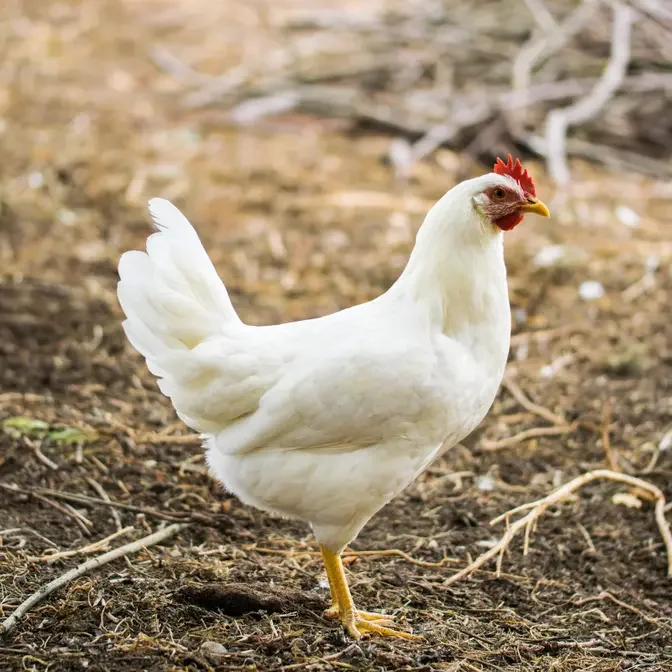
Hi there. Welcome to the Happy Chicken Coop YouTube channel. Thanks for joining us today.
We're going to be talking about the bantam chickens and the different breeds that have
bantam weight chickens and their egg laying and size and how to care for those chickens.
Before we get into that, please be sure to like this video and subscribe to our channel. That's
how we continue to grow our following so we can continue to put out great content for everyone
that watches, that tunes in. Also be sure to subscribe using the link in the description
below. You'll receive a free ebook on 10 best egg laying chickens. In that guide,
you'll get an in-depth breakdown of each breed and their disposition, egg laying capability,
how to care for them, all that good stuff. Without further ado, let's get into it.
Bantam chickens, they're the most suitable for small backyards where space is premium. You can
easily fit two bantams into the space required by one standard size bird. Then since they like
to fly, building up a wall will accommodate them well. These chickens may be small, but they're
bursting with personality. We're going to talk about the different types of bantams, how to care
for them, and egg laying ability and much more. What is a bantam chicken? A bantam chicken is a
miniature version of a regular chicken. They can vary from one half to two thirds the size of
regular birds. In total, American Bantam Association lists over 400 varieties of bantam
birds. The origin of the word bantam is from the seaport of Banten, Indonesia. When sailors stopped
into the port for fresh food and water supplies, they were impressed by the local chickens,
which were smaller than the chickens back home. Banten was corrupted into bantam in general
English, so small chickens became known as bantams instead of banten. Now let's talk about
the types of bantam chickens. Strictly speaking, there are three types. There are true bantams.
These have no large fowl counterpart. They're naturally occurring with no input from humanity,
like breeds like the Nankin, the Seabright, and the Rosecomb. This second type is a miniaturized
bantam. They're made from standard breeds like Rhode Island Reds, Cochins, and Orpingtons.
Third type is developed bantams. These are small breeds that have been further developed with some
help from humanity, and they have been around for so long that the origins are sketchy at best.
The types of breeds we're talking about are like the Belgian, the Peking, or the Cochin,
and Japanese. The developed bantam breeds can be a bit confusing. For example, the Barbadoukla has
no large fowl counterpart, so it is a true bantam. However, the breed was created around 1903 by
Michael Van Gelder of Oekel, Belgium, and was created by crossing two, maybe more, bantam breeds,
so it is also a developed breed. To avoid confusion among folks, the difference between
miniaturized and developed is usually ignored, and with many people saying there are two types
of bantams, but now you know better. So let's talk about how to care for bantams. In most respects,
bantams do not generally require anything different from standard breeds. Since they're
small, they have a higher metabolic rate, so several of these little birds feel cold more
than larger hens. Japanese and Dutch bantams especially are noted as not being cold tolerant.
The usual requirements for housing remain dry and draft-proof. All poultry require housing that is
sized for the number of birds that will be living in it. If you remember, large fowl need four
square feet of coop space and eight square feet of run per bird. Bantams require slightly less space.
Several sources state that one square foot per bird, but two square foot per bird is preferred
in the coop with four square feet per bird in the run. Bantams take a lot less room than their
larger counterparts already. You can provide lots of perches at different heights, maybe even a
small tree. In some bushes, they'll make excellent use of them. It goes without saying that they need
the appropriate food and water. Supplements would include vitamin, electrolyte powder, monthly grit,
and calcium, plus any suitable scraps for them. A bantam will roughly eat one pound of feed per month.
You're saving on your feed, which helps you save on your feed bill dramatically. Bantams are also
usually great flyers. If you plan to keep them in a coop, make sure they have high perches in places
they can fly up to if they want to. If you wish to keep them in a confined area, the run will
need to be covered. This will also prevent predation by hawks or owls. If you decide to mix
your bantams with standard breeds, make sure they aren't getting picked on because of their size.
Mine mix in with the standards, and I have found them very adept at evading and maneuvering between
the larger girls. They will readily fly up and out of the way if they feel threatened. These
dimutative little powerhouses can live up to 10 to 15 years, but their life expectancy is generally
around 5 to 7. So let's talk about some special care for bantams. Several varieties of bantams
are feather-legged or sable poots. These type of birds require their pens to be relatively
mud or muck-free. Otherwise, the foot feathers get incredibly crusty and dirty. Amending the
base of the run can be fairly straightforward. If it's prone to muddiness, add some pebbles or
construction sand to the area. When the area is dry enough, dry. Try seeding with grass. Plant
a couple of shrubs if you have space to. In the early spring, I add two or three large buckets
of mulch to the area around the doors, etc. This stuff will break down nicely, provide some
scratch-worthy dirt, and keep the feet a bit cleaner. If the feet get crusted with dirt and
poop, a foot bath is in order. Standing the bird in warm water gently working at the feathers can
relax the bird and you. Remember, these are small birds, so it shouldn't become a wrestling match
as it sometimes does with the standard birds. The foot feathers can also get broken fairly easily
and cause a good deal of bleeding. The good news is that with some baking powder and styptic and
some firm pressure on the area, the bleeding will stop. Feather-footed birds are also prone to scaly
leg mites. These nasty little pests can set up shock quickly and remain unnoticed for some time
because of the feathering. I check my birds nightly when they go to roost, but checking them
once a month should be fine. Now, let's talk about bantam egg production, broodiness, and
disposition. Bantam eggs are, of course, smaller than standard eggs. They're not the same. So,
roughly half the size of standard eggs. The ratio for using them in cooking is three bantam
eggs for every two standard eggs. Bantams tend to get actually a bad rap for laying. Admittedly,
it was about eight months ago before mine started to lay, but they have been pretty consistent since
then. This past winter, we've certainly had more bantam eggs than standard. Thankfully, bantam of
standard fowl actually tend to lay slightly larger eggs and are more prolific than the true bantams.
Some go broody, others not, but the broodiness defend their eggs and chicks fiercely, and they
make great mothers. Not even standard hens will mess with the bantam broody. Many folks keep one
or two bantam broodies to hatch out their standard eggs because they are reliable. Obviously, a
bantam cannot cover as many eggs, but that doesn't mean they won't try. They generally have a sweet
temperament and are friendly to humans and chickens alike. Roosters can be sweet, but some can also be
a bit aggressive, especially during the mating season. As always, some breeds of the rooster
are better than others, so research your chosen breed carefully. Bantams mixed with standard size
breeds must fight for their place in the pecking order from the brooder box. Bantam chicks are
petite, but not all are concerned with their size, nor do they even know they are small.
Bantams can be extremely bold and sometimes flighty birds, depending on the breed.
Adding new bantams to a coop of full established standard chickens is a recipe for disaster. You
may have been able to add the chickens of the same size to an established coop, and the birds work
things out pretty quickly. On the other hand, a bantam may not be able to fight back, and the larger
birds may trample it, peck it, and prevent it from getting to the feeder. So, if you'd like to add
bantams to your flock, consider keeping a separate flock for your new little birds so they can
establish their own pecking order. So, in summary, if you have no room for large chickens and you
want something different that'll make you smile, look no further than bantams. There's a large
variety to choose from. Whether you want a milfler, speckled, barred, or plain, there is a bantam to
your taste. They are interesting to watch with some varieties, such as the barber ducal. You can
have a whole conversation with. They're joyful, curious, and entertaining creatures, and if I can
only have one type of bird, it would be bantams. So, tell us your experience about bantams and all
that good stuff, and share. We'd love to continue to grow our community, so be sure to share with us.
With that, I hope you have a great day, and we'll talk to you soon.