
Kawasaki Ninja 400 कैसे बनती है? 🏍️ | Complete Manufacturing Process
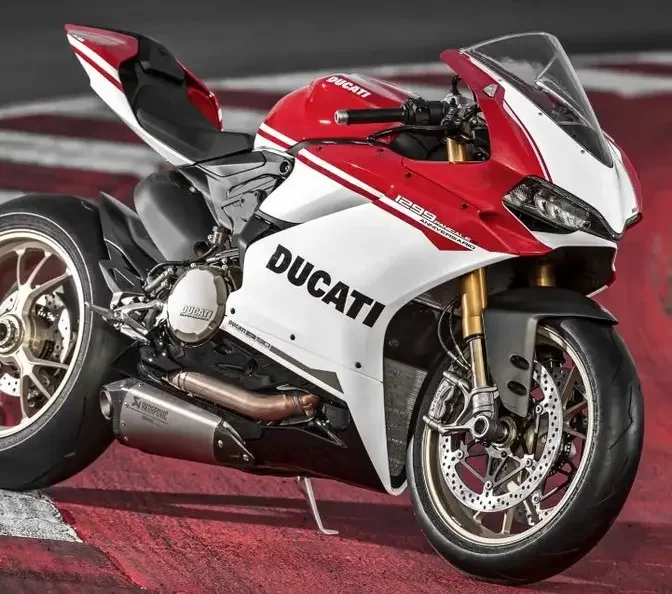
A sports bike is not merely assembled; it undergoes a long journey of engineering, machining, and precision.
It begins with the inspection of metals and other raw materials, where each material is tested against quality standards.
Subsequently, in computer modeling, the geometry of each component of the bike's frame, engine, and body is created.
The chassis is made lightweight yet strong to keep the bike stable and consistent at high speeds.
Machining now begins, where computer-controlled devices transform the metal into an extremely precise shape.
Even minor errors in parts inside the engine can affect performance and reliability.
Now, separate machine-made parts gradually transform into a compact, high-performance twin-cylinder engine.
The piston and cylinder are the primary components that generate power in an engine. Therefore, their fit is extremely important.
Valves and other components inside the cylinder head control the flow of air and fuel.
After all internal components are in place, the engine casing is closed and the crankshaft bolts are tightened to the specified torque.
After assembly, the engine must undergo tests to check its performance and detect any unusual noises.
Now, the ready engine is attached to the chassis, giving the bike its main frame structure.
The front fork and rear suspension connect the bike to the road and play a crucial role in stability and comfort.
After this, wheels, brake discs, and calipers are installed, because just as speed is essential, so is the ability to stop.
The chain drive and rear wheel assembly are designed to transmit the engine's power to the road.
Fuel and cooling systems are installed so that the engine operates at a constant temperature and receives the proper fuel supply.
So that the bicycle's modern maintenance system can function.
Now, the bike's aerodynamic bodywork is being prepared, with each panel checked for proper fitment.
The surface is cleaned and prepared before painting so that the final finish appears uniform and durable.
Then, the large panels are painted in a controlled environment, where strict monitoring is maintained over the paint layer and finish.
After the paint dries, graphics and finishing are applied, giving the bike its distinctive sporty appearance.
Now, the fairing, seat, tank cover, and other external parts are mounted onto the chassis, and the bike is nearly complete.
Every ready bike undergoes a visual and technical inspection, during which fittings, alignments, fluids, and safety-related components are checked.
Diagnostic tools inspect electronic systems to ensure sensors and actuators respond correctly.
After this, the bike is run through continuous tests, during which the responses of the engine, gear box, brakes, and suspension are observed.
If any adjustment is needed in a particular section, the bike goes back into the inspection area for final refinements.
Now facing you is a fully prepared sports bike, where countless separate parts have transformed into a single machine.