
Kenneth J. Alford - Colonel Bogey March (1913)
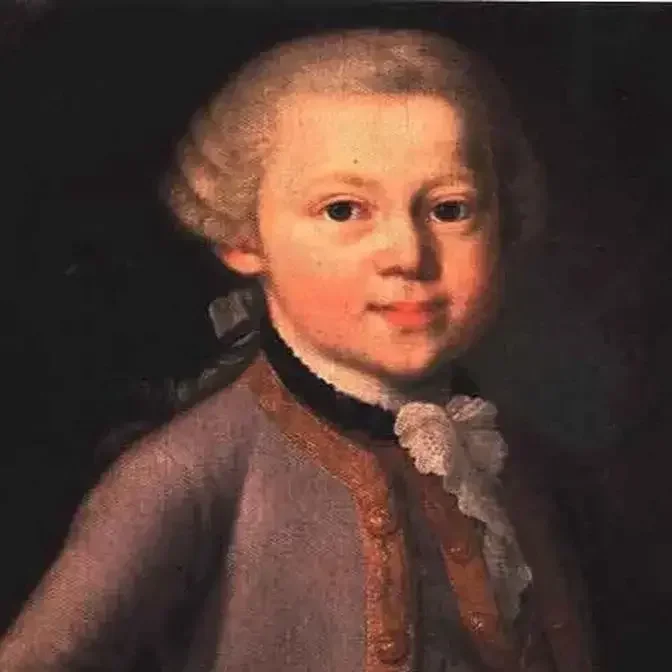
Frederick Joseph Ricketts (21 February 1881 – 15 May 1945) was an English composer of marches for band. Under the pen name Kenneth J. Alford, he composed marches which are considered to be great examples of the art. He was a bandmaster in the British Army, and Royal Marines director of music. Conductor Vivian Dunn called him "The British March King". Alford's frequent use of the saxophone contributed to its permanent inclusion in military bands. His best-known work is the "Colonel Bogey March".
Please support my channel on
https://Ko-fi.com/bartjebartmans
Colonel Bogey March (1913)
Royal Swedish Airforce Band conducted by J. Johansson
A few weeks before the start of World War I, the 2nd Battalion of the Argylls and the Band were stationed at Fort George in north-east Scotland, nine miles from Inverness. It was here that Ricketts composed his most famous march, "Colonel Bogey". While there are several speculations of how the march was begun, the most accepted is probably from a note written by Ricketts' widow to the publishers in 1958.
"While playing golf on the Fort George course, one of the members whistled the first two notes (B flat and G) instead of calling 'Fore!', and with impish spontaneity was answered by my husband with the next few notes. There was little sauntering—Moray Firth's stiff breezes encouraged a good crisp stride. These little scraps of whistling appeared to 'catch on' with the golfers, and from that beginning the Quick March was built up". Was the original whistler the colonel? We'll probably never know for certain, but the title Colonel Bogey gives us a clue.
Description by Wayne Reisig
For the people of the then-far-flung British Empire, Alford's 1913 Colonel Bogey March arrived in time to set thousands of young men's feet in motion just before the Great War. The good colonel, however, did not come to the attention of the world at large until 1957, at which point the march became etched in popular memory as the theme from the Oscar-winning motion picture Bridge on the River Kwai. So popular did the tune become that a vocal arrangement became a Top 40 hit that year, and some record albums (even band compilations) simply listed the work as the River Kwai March or something similar. Most would agree that the curious, enigmatic title referring the colonel is more intriguing.
Colonel Bogey, as with so many of Alford's marches, has a jauntiness and cheekiness which complements the "stiff-upper-lip" British military stance. It is a superb example of the classic British "slow march," a term which causes confusion among outsiders. The slow march is actually at the steady brisk tempo of a Sousa or Goldman work, while a "quick march" moves at the tempo of a circus march. The present work is in a three-strain form (A-B-A C-C) and commences with an incisive introduction, a "snap-to." The famous opening theme is novel for its clipped notes and wide leaps, light-hearted and whimsical for a military march. The second theme, however, is of sterner stuff, in minor key and impetuous, but resolves back to the merry opening tune. The third theme is based around a single hesitating rhythmic figure against which the melody and harmony unwind in a kaleidoscopic manner, bringing this perky classic to a close.