
Francesco Paolo Tosti - Segreto (1887) & Addio! (1880)
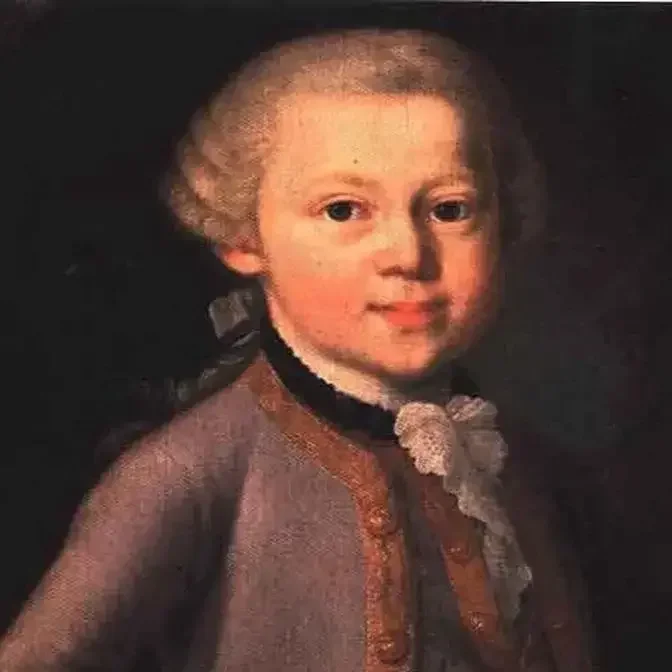
Sir Francesco Paolo Tosti KCVO (9 April 1846, Ortona, Abruzzo – 2 December 1916, Rome) was an Italian composer and music teacher. Today, he is remembered mostly for his light-hearted songs, which are popular among vocal students.
Please support my channel:
https://ko-fi.com/bartjebartmans
1. Segreto (c.1887) (0:00)
Librettist: Lorenzo Stecchetti, pseudonym for
Olindo Guerrini (1845–1916)
2. Addio! Good-bye (1880) (4:48)
Librettist: George John Whyte-Melville (1821–1878)
Orchestrations by Daniele Gatti
Orchestra Da Camera Di Roma conducted by Edoardo Mueller
1. The poem “Segreto” is a lyrical, melancholic narrative about unspoken love and the pain of concealment. It opens with the image of a “wound in the heart” that slowly kills the speaker, and moves through themes of hidden affection, longing, and the fear of revealing one’s feelings.
The text blends romantic longing with fatalism, portraying the speaker’s inability to express love and the emotional toll of keeping it secret.
“Segreto” is a poignant example of late 19th-century Italian songwriting, combining a heartfelt, confessional lyric with Tosti’s sensitive, expressive musical style. It remains a staple in the repertoire of Italian art song performers, valued for its emotional depth and lyrical beauty.
2. “Good‑Bye” is a classic example of Tosti’s romantic songwriting, blending poetic imagery with expressive melody, and has been a staple of the international operatic and art song repertoire since its 1880 debut.
After a difficult beginning of his young career Tosti's travels brought him to Rome, where his fortunes turned. He met the pianist and composer Giovanni Sgambati, who became his patron. Sgambati arranged for Tosti to give a concert at the Sala Dante which the Princess Margherita of Savoy (who would become Queen of Italy in 1878) attended. Impressed with his performance, she appointed him as her singing professor. She later appointed him curator of the Musical Archives of Italy at the Court.
In 1875 Tosti travelled to London, England. He made several powerful friends who introduced him to the highest levels of English society. Tosti became a staple in fashionable drawing-rooms and salons, and in 1880 he was made singing-master to the British royal family. His fame as a composer of songs grew rapidly during his time in England. One of his compositions, For Ever and For Ever was introduced by Violet Cameron at the Globe Theatre. This song became a favorite overnight, and there was an enormous demand for his compositions. By 1885 he was the most popular composer of songs in England. His publishers paid him a staggering retaining-fee for twelve songs a year.
In 1894 Tosti joined the Royal Academy of Music as a professor. In 1906, he became a British citizen and was knighted (KCVO) two years later by his friend, King Edward VII. A memorial plaque on his former home at 12 Mandeville Place, Marylebone (now the Mandeville Hotel) was unveiled on 12 June 1996.
In 1913 he returned to Italy to spend his last years there. He died in Rome on 2 December 1916.