
Arthur Bliss - String Quartet No. 1 (1940)
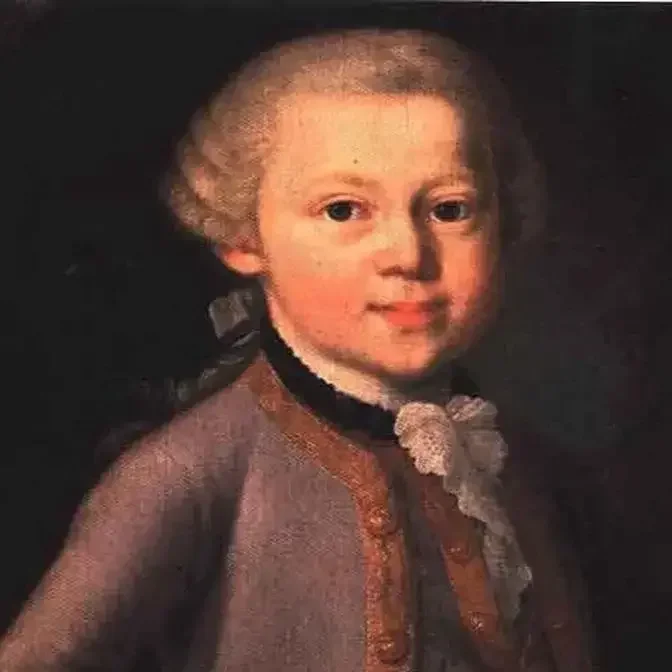
Sir Arthur Edward Drummond Bliss (2 August 1891 – 27 March 1975) was a British composer and conductor. Bliss's musical training was cut short by the First World War, in which he served with distinction in the army. In the post-war years he quickly became known as an unconventional and modernist composer, but within the decade he began to display a more traditional and romantic side in his music. In the 1920s and 1930s he composed extensively not only for the concert hall, but also for films and ballet.
Please support my channels:
https://ko-fi.com/bartjebartmans
String Quartet No. 1, F.25 (California 1940)
Dedication: This Quartet was written for Mrs. Elizabeth Sprague Coolidge
1. Andante maestoso - Allegro con brio (0:00)
2. Allegretto (9:57)
3. Sostenuto (15:46)
4. Vivace (21:40)
Maggini Quartet
Laurence Jackson, violin 1 and David Angel, violin 2
Martin Outram, viola
Michal Kaznowski, cello
Bliss was one of those rare, fortunate composers, equally at home in all areas of music from full opera to solo recital pieces: a brilliant orchestrator, a word setter of illuminating sensitivity, but it is in the chamber music that he was able to give his more intimate inspiration full play. The high regard in which the Clarinet Quintet is - rightly - held has rather overshadowed his achievement in the quartets, yet it has been suggested that they are among his best, most personal works. Certainly, they convey a range of mood and a wealth of subtle expression to equal anything in the British string quartet repertoire.
In all Bliss completed four quartets, the first being a very early work which he subsequently withdrew. The second was written in the mid-1920s, and although the completed manuscript disappeared, a tantalizing draft survives, though with some pages missing. There was also a Fugue for string quartet, written in 1916 for a competition but which has likewise vanished. The works published as numbers 1 and 2 are thus in reality the third and fourth he completed.
String Quartet No. 1, like the Oboe Quintet and the first of the Interludes for piano is dedicated to that fine patroness of American music and musicians, Mrs. Elizabeth Sprague Coolidge - a great lady to whom so many composers owed an enormous amount by way of her commissions, her concerts and the encouragement she gave. It is probably the crowning achievement of Bliss's 'American' period, (written in California in 1940) and was first performed by the illustrious Pro Arte Quartet at Berkeley in April 1941.
It is in four movements and follows no known form except that created by the composer for this work as dictated by the material: it is nevertheless extremely satisfying, which is, after all, the purpose of structure in music. Here Bliss experiments with pure sound in which he rationalizes and disciplines his emotions with considerable severity. He was anxious to be back in London to do what he could to help in wartime, and chafed, yet as a committed family man he was reluctant either to leave his family behind or expose it to the dangers of the blitz. This conflict of feelings comes over very strongly in the quartet.
The first movement is basically fast, and comprises a bewildering luxuriance of themes and fragments, continually urged forward by one or other of the instruments and flanked by slow, poignant sections which open and close it. The second movement is marked Allegretto grazioso, and presents a long flowing melody constantly renewed and distorted by changing time signatures, and a chromatic second subject.
The third, slow movement is a scarcely suppressed romantic outpouring, shot through with yearning and almost a hint of Vaughan Williams' evocative nostalgia - clearly a reference to his feelings for his home country and its threatened, embattled predicament, particularly in its cantilena viola part. It is followed by a Vivace finale of great rhythmic ingenuity based on two vigorous but contrasting themes.
© 1984 Giles Easterbrook