
How To Build A Vertical Trellis For Heavy Watermelons
Nov 27, 2026
AI GeneratedMay contain errors
Video Summary
AI GeneratedThis guide details the complete lifecycle of growing watermelons, from selecting viable seeds and starting seedlings in cells to transplanting them into sunny garden beds. It covers essential care including soil enrichment, pollination, and fruit development, concluding with the specific signs of ripeness and the proper technique for harvesting a mature watermelon.
Today we'll follow a watermelon
from a tiny seed to a delicious garden harvest.
Growing watermelons takes patience, warmth,
sunlight and enough room for spreading vines.
Start with viable watermelon seeds
from a suitable variety for your growing climate.
Choose healthy seeds
and follow the packet instructions for your chosen watermelon variety.
Starting seeds
in individual cells helps protect young roots during early growth.
Use a light seed starting medium that retains moisture
while allowing excess water to drain.
Fill the seed cells evenly,
leaving a little space at the top.
Moisten the growing medium before planting,
keeping it damp rather than waterlogged.
Make small planting holes deep enough
to cover each seed with a thin soil layer.
Place each seed carefully
into its hole without forcing it into the soil.
Plant one seed per cell
so each seedling has its own protected growing space.
Cover the seeds lightly and keep the soil in gentle contact with them.
Water gently after planting
so the seeds remain moist without being washed out.
Keep the tray warm
because watermelon seeds germinate best in warm growing conditions.
Give the seeds time to germinate,
checking moisture regularly during the waiting period.
Under suitable conditions,
a small green shoot begins pushing through the soil.
Over the next few days,
more healthy seedlings emerge from the planted cells.
The first two leaves open as the young seedling begins capturing light.
Soon, the first true leaves appear,
with the developing shape of a watermelon plant.
Provide plenty of light
so the young seedlings develop sturdy stems rather than becoming weak.
Check the growing medium regularly
and water when the surface begins to dry.
Water gently around the seedlings
so their fragile stems are not knocked over.
With warmth and appropriate care,
the seedlings gradually develop more leaves and stronger stems.
Prepare a sunny garden bed with loose soil
and enough room for spreading watermelon vines.
Incorporate mature compost to improve soil structure
and provide organic matter.
Choose a warm sunny position with enough space
for the mature vines to spread.
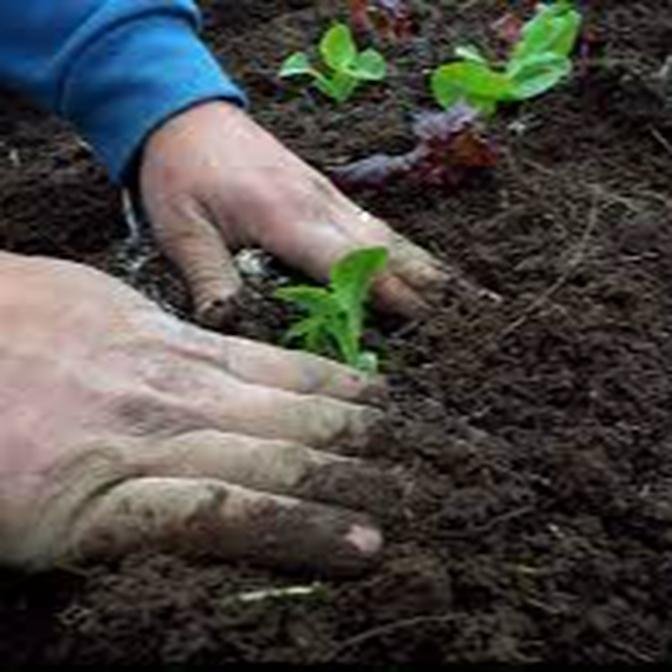
Handle the seedling carefully
and protect its developing roots during transplanting.
A healthy root ball holds together
and contains fine roots that can continue growing.
Make a hole wide enough to accommodate the roots
without bending or crushing them.
Place the seedling at its original depth
and keep the stem upright.
Fill the gaps around the roots
and gently firm the soil to stabilize the seedling.
Water thoroughly after transplanting
to help the soil settle around the young roots.
Protect young plants from cold nights
and harsh weather while allowing adequate airflow.
After transplanting, give the seedling time
to settle before expecting rapid new growth.
As the plant establishes,
new lobed leaves begin developing along the growing stem.
During the following weeks,
the main vine begins spreading outward across the garden bed.
As the plant grows,
side vines extend and create a broader canopy of leaves.
Guide the vines gently into open space without bending
or breaking the growing stems.
Water near the root zone
and adjust the amount to soil moisture and weather.
A suitable mulch can help reduce moisture loss
and limit weed growth around the plant.
Remove competing weeds carefully
while avoiding damage to the watermelon's shallow roots.
With sufficient warmth and sunlight,
the vines gradually spread across the growing area.
Inspect the leaves regularly for pests,
discoloration, or other signs of plant stress.
A mature watermelon plant can cover a large area
with its spreading vines and leafy canopy.
As the vines mature,
small flower buds begin forming near the leaf joints.
Watermelon plants produce yellow flowers
as they enter the reproductive stage.
Male flowers provide pollen,
while female flowers have a small swelling that can develop into fruit
Bees and other pollinators can transfer
pollen between watermelon flowers.
When pollinators are scarce,
carefully transferring pollen by hand may help fruit set.
After successful pollination,
the flower fades while the small fruit begins developing.
The first tiny watermelon begins growing
from the fertilized female flower.
Over the next several days,
the young fruit gradually grows larger on the vine.
Keep developing fruit.
Resting on a clean surface and avoid unnecessary movement.
The fruit continues expanding as the plant supplies water
and nutrients through the vine.
Consistent soil moisture supports fruit development,
but avoid waterlogged growing conditions.
Water deeply when needed
so the roots can access moisture throughout the growing zone.
As the watermelon approaches its mature size,
continue watching the fruit and surrounding foliage.
A clean, dry support surface can reduce direct contact between
the fruit and wet soil.
The watermelon gradually reaches its expected size,
which varies by variety and growing conditions.
As harvest approaches, watch the fruit, its nearest tendril,
and the underside for signs of maturity.
A drying tendril near the fruit can be one clue
that a watermelon is approaching maturity.
A creamy yellow ground spot
can offer another useful clue about ripeness.
Look at the rind and other maturity clues together
instead of relying on color alone.
Check the stem connection carefully.
Avoid twisting or pulling the fruit.
Once the variety's maturity signs are present,
prepare clean shears for harvesting.
Cut the stem carefully,
leaving a short section attached
to the harvested watermelon.
Support the watermelon from below
And handle it gently to avoid bruises.
The mature watermelon is now harvested,
completing the journey from seed,
wipe away loose dirt,
and inspect the rind for cuts or damaged areas.
Watermelons vary in shape, size, and stripe pattern
depending on the variety.
Inside, the ripe fruit reveals juicy flesh
and seeds arranged naturally throughout the center.
Cut the harvested watermelon carefully
on a stable, clean cutting surface.
A carefully grown watermelon provides
a beautiful harvest to enjoy fresh.
From planting one seed to harvesting fruit,
each stage requires time and proper care.
Grow patiently, care for your vines,
and enjoy your own homegrown watermelon.