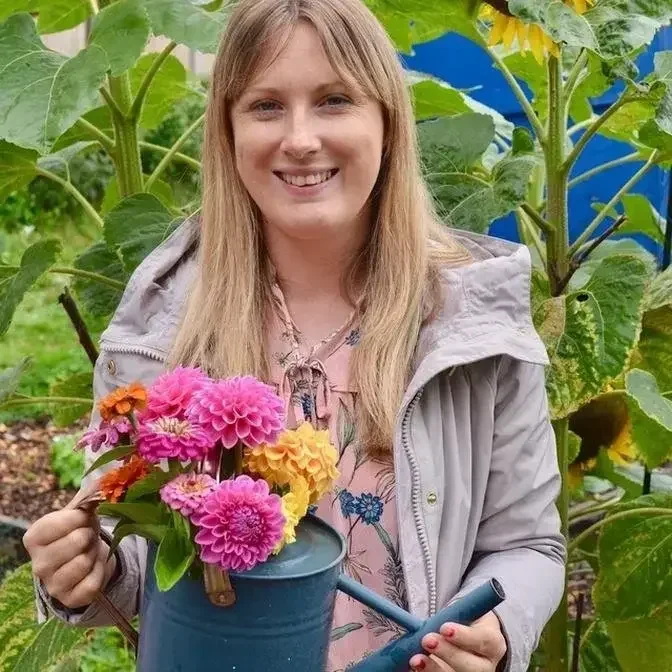
#ad Welcome to my allotment gardening channel. My name is Emma and these vlogs are my allotment diaries. 2023 is is my forth year on my plot. I'm learning as I go and would love for you to follow my allotment gardening journey by SUBSCRIBING to my channel!
What is mulch? Why do we need it? Why is it so important? Why do gardeners go on
and on about it? What is it made from? What is it? My name's Emma and in this
video I'm going to answer all of your mulching questions.
Don't forget to click subscribe. Let's get into the video.
Mulching is as simple as one, two, three. One,
find a place where you want to mulch. Two, find your mulch. Three,
mulch. Ultimately all mulching is is whacking on some organic material
onto your raised beds or around your crops
and then not digging it in. And that's it. It's that simple.
Of course mulch doesn't have to be made from an organic material. You can mulch
with a sheet of ground sheet, some plastic weave membrane, even a
great big box of discarded Lego. Of course that wouldn't be very
environmentally friendly so it's best to use organic material to mulch
and here's why. So growing vegetables takes away a lot of goodness from our
soil. Mulching is a really easy and
effective way of putting all that goodness back into our soil
ready for our next crop. So some good examples of organic
material to mulch with include compost, wood chippings, manure but also
cardboard. I love mulching with cardboard for two reasons. Firstly
it's great at suppressing weeds because it literally smothers them. It blocks out
the light, it blocks out all of their nutrients
and it just kills them. And secondly worms love it.
Don't ask me why but worms love this stuff. Honestly
it attracts all the worms into your soil and the thing that we like about worms
is their poo. So we want the worms to come eat as many
things in the soil as they can and then poop it all out and it's the worm poo
that's really valuable to the soil. So cardboard is just a great way of
replenishing your beds. Just be sure to remove any sellotape or
any stickers from your cardboard before putting it down.
So here's a bed that's had lots and lots of vegetables in. I think it had broad
beans, it also had some french beans, it had lots of nasturtiums growing in
there and some rows of carrots as well but now you can see it's pretty much
finished. So I don't plan on planting into this
bed again until the spring which is about
six or seven months away. So I'm going to really mulch it over and leave it all
over the winter just to really rot down and do a lot of good to the soil
basically. So this is a bed that I'm going to
completely cover with cardboard. So I'm just going to place my cardboard
straight over the bed, over all of the weeds. I'm not even going
to bother hoeing over it or anything. The important thing to remember is that
you don't leave any gaps in the cardboard because the weeds will get
through. So cover the entire bed completely.
So now that all our cardboard is down and covering the entire bed
we are going to water it. Why I hear you ask? Good question!
Well, watering the cardboard helps to break it down quicker.
Also the worms love soggy cardboard so it's not just cardboard they like, they
like it when it's really wet and soggy it will bring them
all up from under the ground. So I'm going to water the whole cardboard now.
Feels a bit weird, stick with it. So now that all of my cardboard is
covering the entire bed and it's been watered
I am going to whack over a great big bag of multi-purpose compost.
If you've managed to make your own compost that's even better, whack that
over the top. Now if you want to plant into this
straight away you can. Roots can go through the cardboard so
just whack in all your plants or your seeds and they will grow
fine. I'm going to leave mine over the autumn winter and plant into it in the
spring. So there we have it a bed ready for the
spring time. So this has been mulched over in the autumn ready to be left over
the winter months and planted in in the spring time. But
like I said before mulching is the art of putting organic material onto your
beds. You don't have to wait for your bed to
be completely empty of vegetables before you mulch it.
In fact mulch has lots of benefits when it's placed around existing growing
plants. It suppresses weeds, it adds really good nutrients to the
soil and it also is really good at water
retention so retaining water which is particularly good if you're
going to have a heat wave or if your beds dry out very very quickly.
An important thing to remember is that mulch is designed to be thick
so it's better to mulch a smaller area really thickly
than to try and do a large area too thinly.
So I tend to mulch in the autumn time once I've cleared some of my vegetable
crops away because that's when the soil really needs
replenishment. It needs some food, it needs some goodness put back into it so
it's a great time just to mulch over whole beds.
Some mulch is really good at deterring snails and slugs from getting to your
plants like strulch is a type of mulch. It's also really good like I said a
hundred times at suppressing weeds which is something that is really
important at allotment plots and saves you a lot of time.
This flower bed behind me here I am mulching with
horse manure. Now when it comes to mulches manure is one of the best things
you can put on your beds it's absolutely full of goodness it's really really
rich, fantastic for your soil. However
unlike other mulches like compost or cardboard
or strulch which you can kind of get away with planting some seeds in or some
plants in straight away, with horse manure you have to wait at
least six months for it to rot down. If you plant your new seedlings or new
plants into horse manure straight away it gets really really hot and it's going
to burn all of those vulnerable roots. So horse manure is something that you
need to plan ahead. I'm going to put it on now in the autumn
time by the time it gets to the spring and I want to put in some nice flowers
it's going to be well rotted down and it won't burn any of the roots. So autumn
time is a great time for putting horse manure on or if you can just put it in a
pile somewhere and wait for it to rot down
and then use it and then you'll be able to grow into it straight away but it's
up to you. Just don't plant into fresh horse
poo because it will burn your plants and no one
plant or animal wants to be burnt to death by poo.
Another question I've heard quite a lot about mulching is can I use my old crops
to mulch with so can I pull down my old crops
let's say this old runner bean plant here which needs to come out soon
you can just chop this up and put it straight onto the floor so this is
called the chop and drop. It's kind of like making compost on your
soil already so you're just going to chop these up
put them down onto the ground and it's just going to rot down
basically and decompose. Normally what I would normally do
I would be inclined to put some multi-purpose compost over the top of
it or if you make your own compost just whack
some of that over the top of your chopped up
your chopped up vegetables but yeah you can just chop this up and put it on the
soil and that acts as a good organic mulch.
So if you take anything away from this video it's these three things
keep it organic, mulch in the autumn and spring or around new crops
and make it thick. Those three things are the most important things to know about
mulching it's also great to do before a plot
inspection because your plot is going to look
really really neat really clean and completely under control.
I hope you found this video really helpful today if you have any questions
drop them below in the comments and I will get back to you or somebody else in
the gardening community will answer your question as well
and I will see you again in my next video thanks for watching bye