Shining Dessert Wine. The carbonation and high corrosiveness in shining wine makes it taste less sweet than is really is! Certain grape assortments smell better than others.
Softly Sweet Dessert Wine. Softly dessert wines are refreshingly sweet; ideal for a warm evening. Large numbers of these dessert wines pair well with zesty food sources like Indian or Southeast Asian cooking.
Luxuriously Sweet Dessert Wine. Luxuriously dessert wines are made with the greatest grapes in an unfortified style. A large number of these wines can mature 50+ years since pleasantness and corrosiveness save their new flavor.
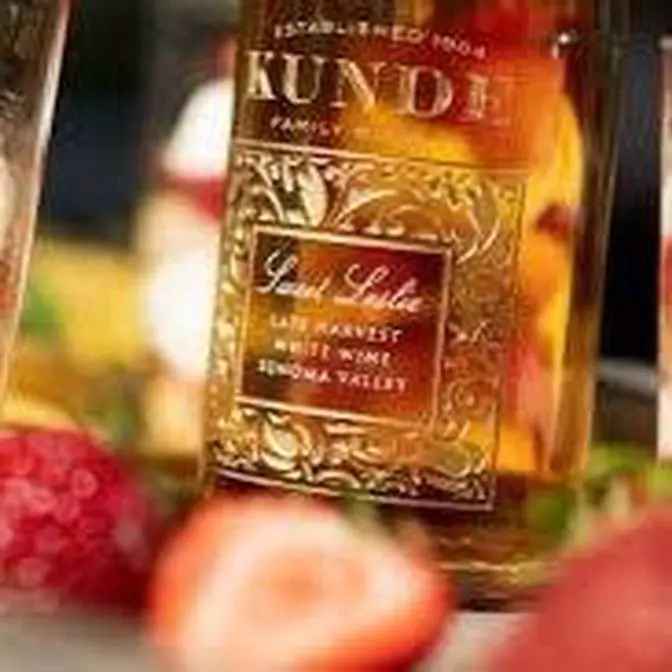
Late Harvest. Late collect means precisely exact thing it's called. As grapes hold tight the plant longer in the season they become considerably better and more raisinated, bringing about grapes with concentrated pleasantness.
Honorable Rot. Honorable decay is a kind of spore called Botrytis cinerea that eats leafy foods. While it sounds (and looks) sickening, honorable decay adds exceptional kinds of ginger, saffron, and honey to new wines. There are numerous well known kinds of treat wines produced using respectable decay grapes.
Sweet Red Wine. Sweet reds are on decline aside from modest business creation. Nonetheless, there are as yetna couple of very much made generally intriguing sweet reds worth difficult. Most of these wonderful sweet red wines are from Italy utilizing obscure grapes.
Fortified Wine. Braced wines are made when grape liquor is added to a wine and can either be dry or sweet. Most braced wines are higher in liquor content (around 17-20% ABV) and have a more drawn out time span of usability after they are opened.
Port. Port wine is made in the Northern piece of Portugal along the Douro stream. These intriguing sweet red wines are made with many Portuguese conventional grapes including Touriga Nacional, Touriga Franca, and Tinta Roriz. The grapes are gathered and matured together in open tanks where the grapes are stepped everyday as the wine ages.
Sherry. Sherry comes from Andalusia, Spain. The wines are made utilizing Palomino, Pedro Ximénez (a grape, not an individual), and Moscatel grapes. Wines are delivered utilizing fluctuating measures of the three grapes and are intentionally oxidized with the goal that they create nutty aromatics.
Madeira. Madeira is a wine delivered utilizing something like 4 unique grapes on the island in the AtlanticOcean. Madeira is exceptionally not normal for different wines on the grounds that, to create it, the wines go through a warming and oxidation process - procedures that would customarily "ruin" a wine.
What do you think about this video? Do let us know in the comments section below. If you enjoyed this video and want to hear from us again, be sure to hit that subscribe button before you go.
In this video, we are going to talk about everything about dessert wine.
So before starting this video like this video and subscribe to our YouTube channel for future
updates. Dessert wines offer debauched and tasty choices to improve and hoist the after-supper
drinking experience. When matched in a calculated manner, a sweet wine can transform a last course
into remarkable tastes and goes overboard. Whether it is red, white, effervescent,
still or sustained, a trig wine is an ideal nearer and will have trademark pleasantness
and intricacy. Shockingly, dessert wines are frequently neglected and exist beyond the
scope of even the most experienced and generally inspected wine devotees.
They are frequently undervalued or even new, passing on a botched and open door to make a
unique dish and sweet wine pair. While there isn't an industry meaning of what comprises
a pastry wine, among winemakers and specialists, these wines are extensively viewed as new wines
that most regularly pair with a sweet. Or on the other hand, that might be filled in as a last
course to a dinner that likewise measure at or over 14% liquor content. These wines hang out in
style, taste and artifact as well as feel. Dessert wines are normally stopped, confined or covered in
specialty bottles that are much of the time slender, with long tightening necks to remain
in a classification all their own. Tasting Notes
Dessert wines are vinified into many styles bragging a wide-reach pleasantness,
which considers different matching, satisfaction and smooth maturing.
Most pastry wines will fall into a daintily sweet, luxuriously sweet,
sweet red, shining or invigorated class, like a sherry in port.
Each communicates one of a kind tasting notes, flavor profiles and drinking encounters.
Our French intrigue wine master Otanas Nechkov shares that a typical misguided judgment is that
all new wines are sweet wines. He explains that a normal mix-up is to believe each new wine to
be treat wine. Just the most thought and full-bodied qualify as treat wines.
The strategy for making a pastry wine relies upon the district, environment and winemaking
rehearses. There are three essential ways of making new wines including the late reaping of
grapes, the activity of honorable decay to raisinate the grapes or by adding cognac to
stop maturation and safeguard the regular grape sugars that recognize dessert wines.
While each style will be particular in taste, shared characteristics of pastry wines incorporate
extraordinary and concentrated flavors, elevated degrees of remaining sugar and wealth.
Otanas adds that you ought to hope to appreciate fragrances and kinds of dried natural products,
pineapple, brilliant raisins, apricot jam, energy natural product, acacia, honey and ginger notes
for the whites and reddy, jammy smells of currant, blackberry, plum, dark cherry, cocoa bean and
butterscotch for the reds. There is likewise a wide determination of treat wine glasses that
are frequently essentially as novel as the wines. Attempt a tulip, jewel or woodwind shape to pour
and serve chilled. Prominent regions. Dessert wines are made all over the planet where the
environment frequently loans to the winemaking procedure used to make new wines. The most
broadly perceived and celebrated dessert wine nations incorporate France, Germany, Italy,
Hungary, Portugal and Spain. In France, the Sauternes locale of Bordeaux is valued for a
sweet white wine that highlights honeyed white foods grown from the ground flavors as well as
the Loire Valley's Courts de Chaume epithet where Chenin Blanc grapes are utilized to make a
brilliant and benevolent treat wine. Germany's commitments to dessert wines incorporate Eiswein,
Auslese, Berenuslis and Trocken Berenuslis, all styles that highlight late or chose collect
grapes basically from the Rhine district that are likewise wanted for their propping sharpness.
Italy gifts Vin Santo from Tuscany which communicates with caramel and hazelnut flavors,
Ricciotto della Valpolicella, a sweet red produced using dried grapes and Ricciotto di Suave,
a sweet white made in a similar style. Recommended Pairings
Dessert wines, obviously, are most frequently delighted in after supper with a pastry matching.
Nonetheless, with such countless styles and flavors they likewise make astonishing aperitifs,
incredible cheddar or exquisite pairings as well as independent sippers.
There are a couple of tips shared from our wine expert that will assist you with making
splendid pairings. Preceding serving, consider pleasantness cautiously to guarantee that your
treat choice isn't better than the wine. A pastry that is better than the wine can
invalidate the taste and flavor. The most joyful match is a not-too-sweet pastry and
an unassumingly new wine. Consider poached natural product, citrus or nut tarts or even
creme brulee. A Spanish sherry with flan or a caramelly Madeira with banana cultivates will
change your day. Moreover, there are time-tested pairings that are generally deserving of plating
and pouring foie gras with a Sauternes, a port and Stilton blue cheddar or walnut pie.
Otanis additionally reminds that sweet wines are phenomenal for maturing.
Every one of these exemplary treat style wines share another vital element, practically speaking,
they are the longest-lived wines in the basement. This implies you can gather and prize these wines.
5 Main Types of Dessert Wine Shining Dessert Wine
The carbonation and high corrosiveness in shining wine makes it taste less sweet than
is really is. Certain grape assortments smell better than others.
Softly Sweet Dessert Wine Softly dessert wines are
refreshingly sweet, ideal for a warm evening. Large numbers of these dessert wines pair well
with zesty food sources like Indian or Southeast Asian cooking.
Luxuriously Sweet Dessert Wine Luxuriously dessert wines are
made with the greatest grapes in an unfortified style. A large number of these wines can mature
50 plus years since pleasantness and corrosiveness save their new flavor.
Late Harvest Late collect means
precisely exact thing it's called. As grapes hold tight the plant longer in the season,
they become considerably better and more raisinated, bringing about grapes with
concentrated pleasantness. Honorable Rot
Honorable decay is a kind of spore called Botrytis cinerea that eats leafy foods.
While it sounds and looks sickening, honorable decay adds exceptional kinds of ginger,
saffron, and honey to new wines. There are numerous well-known kinds of
treat wines produced using respectable decay grapes.
Sweet Red Wine Sweet reds are on
decline aside from modest business creation. Nonetheless, there are as yet a couple of
Most of these wonderful sweet red wines are from Italy utilizing obscure grapes.
Fortified Wine Braced wines are made when grape liquor is
added to a wine and can either be dry or sweet. Most braced wines are higher in liquor content,
around 17-20% ABV, and have a more drawn-out time span of usability after they are opened.
Port Port wine is made in the northern
piece of Portugal along the Douro Stream. These intriguing sweet red wines are made
with many Portuguese conventional grapes, including Torriga Nacional, Torriga Franca,
and Tinta Rorais. The grapes are gathered and matured together in open tanks where
the grapes are stepped every day as the wine ages.
Sherry Sherry comes from
Mandalusia, Spain. The wines are made utilizing Palomino, Pedro Ximenez, a grape, not an
Wines are delivered utilizing fluctuating measures of the three grapes and are intentionally
oxidized with the goal that they create nutty aromatics.
Madeira Madeira is a wine delivered utilizing
something like four unique grapes on the island in the Atlantic Ocean.
Madeira is exceptionally not normal for different wines on the grounds that, to create it,
the wines go through a warming and oxidation process, procedures that would customarily
ruin a wine. The outcome is a rich-braced wine with pecan-like flavors, saltiness,
and a slickness on the sense of taste. Due to the four distinct grapes utilized,
Madeira range from dry to sweet making them function admirably close, by a feast or even
as a pre-supper drink. What do you think about this video?
Do let us know in the comments section below. If you enjoyed this video and want to hear
from us again, be sure to hit that subscribe button before you go.