
What is ROSÉ wine? | EVERYTHING you need to know about delicious PINK WINE!
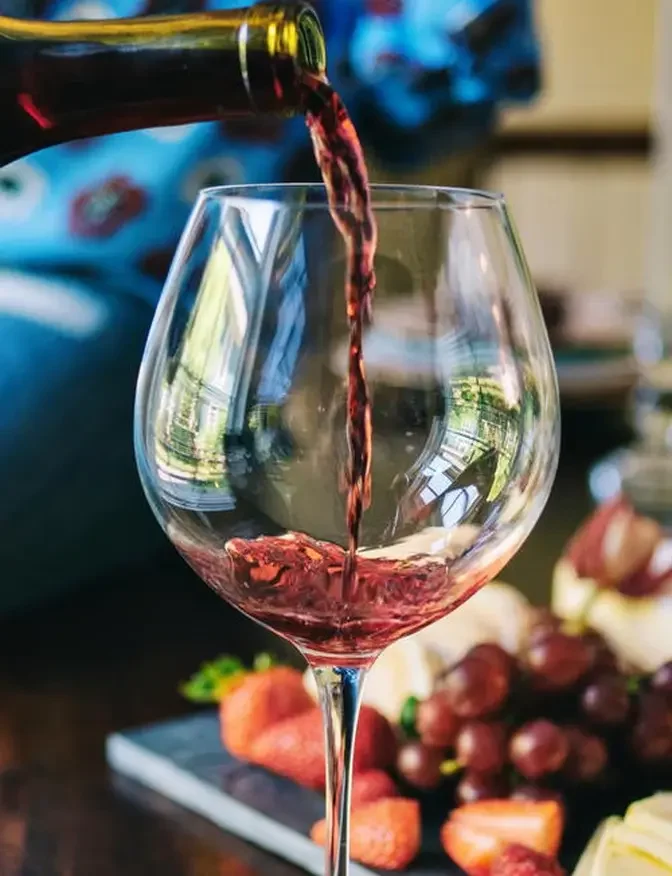
There are 3 methods to make rosé wine; maceration, saignée, and blending. Most places used maceration, including Provence, France, where rosé wine was invented.
#wineculture, #wineservice
In this video, we're going to talk about what rosé is and how it's made,
what grapes are used, and what flavors it usually has. Here we go.
What is rosé? Well, let's get a few things out of the way about what rosé is not.
There's no such thing as pink grapes, so it's not made from those, nor roses,
nor strawberries. And it's also not made by mixing red and white wine together,
at least not usually. There's actually three different ways to make rosé.
Maceration is the most common, so let's start there.
This can also be called skin contact, limited maceration, or intentional rosé,
because the grapes grown for this method are grown exclusively to be a rosé wine.
This also affects when the grapes are picked. Red grapes that are destined to be rosé are
usually picked earlier than red grapes destined to be red wine, so you can retain higher acidity
and brighter fruit flavors. The first thing to know is that all grape juice is clear,
even if the grape is red. If there's color in a wine, it comes solely from contact with the
grape skin. In the maceration method, step one is taking the red grapes, destemming them,
and pressing them. At this point, the juice is allowed to sit and macerate with the skins of
the red grapes for anywhere from two to 48 hours, depending how dark and how much extraction we
want from the skins. The longer they sit, the deeper the color. Keep in mind, red wines are
also made using this exact same process, but the maceration lasts weeks or months instead of just
hours. But with rosé, after a few hours of maceration are up, the juice is removed from
the skins, the skins get discarded. Now we have a pink wine, which can finish fermenting by allowing
the yeast to eat all of the sugar and make a bone dry wine. The wine is stabilized, and voila,
you have rosé. While sure, some sweet rosés do exist, almost all rosé wine is made dry to bone
dry. A few exceptions include pink wines produced in bulk, like pink Moscato and white Zinfandel.
Pink, yes, but not a true rosé. There's a slight variation of this method called direct press,
in which the red grapes are pressed, and rather than let them sit for a few hours,
the skins are discarded immediately. The breaking of the skins provides just a hint of skin contact
and makes a super light rosé. Direct press wines will be more citrus forward than red fruit forward,
because the skins are what gives wine more red fruit character.
There are also two other methods, less common but still worth talking about.
Seigneur, or the bleeding method, started as a way not to make rosés, but instead concentrate
red wines. Winemakers bleed off some of the juice of a red wine at the start of the maceration.
You end up with a higher skin-to-juice ratio and a more concentrated red wine.
But winemakers can also take the bled juice, bottle it off, and sell it as rosé. You'll see
this method done in regions that produce high-quality red wines, Bordeaux or Napa for
instance. Because the grapes were intended for red wines, and thus picked later, these rosé
styles are richer and fruitier, and to be honest, the quality tends to vary.
The last method is blending finished red wine and white wine together. Remember how I blatantly said
that's not how rosé is made? Well, there's an exception to every rule. In most European places,
it's actually illegal to make a rosé wine by blending red and white wine, except for one
very famous example. Champagne. And the only reason this is allowed in Champagne?
This method better preserves the bubbles, keeping them fresh.
Okay, now let's chat about the typical grapes from Provence,
the place that invented rosé, and what the wines taste like.
Rosé isn't just one thing, so talking about the grapes to make it up is a bit tough.
It's like a Dr. Seuss book. Heavy grapes, light grapes, dark grapes, bright grapes.
Any red grapes from anywhere can be used to make rosé wine. I've had rosés from Pinot Noir to
Malbec, from California to Spain. But Provence is by far the epicenter of rosé, the place that so
many other regions model their wines after. Therefore, let's stick to the basics. We're
talking classic grapes and styles of wine made here. There are five principal red grapes in
Provence used in rosé, and a whole slew of other secondary grapes. Rosés here are always blends,
because that's the law. To be called a Provence wine by the AOC, at least two of the five
principal varieties must be used, and they must account for at least 70% of the blend. Also,
no single grape can make up over 90% of the blend. They really want to ensure you're making
a true mixed bottle. In practice, most winemakers will use Grenache as their main grape, followed
by a few of the others to add depth to the wine. Grenache is a great base grape. Its yields are
high, so it's easy to grow, and it provides beautiful spicy red fruit flavors, along with
most of the body and the alcohol. Think of Grenache like a pizza dough. It's the go-to
base that ensures your finished product is balanced and delicious. Other grapes are added,
similar how you add sauce or toppings to a pizza. In rosés, you add Nouvedra for tannin and color,
Senso for aromatics and freshness, Syrah for dark fruit, and Tiburon, a local variety,
for finesse and bouquet. Every house has its own style based on their plantings,
and they change from year to year based on the vintage. Don't let its fun pink color fool you.
Making rosé is serious business. It's not leftover wine that's thrown together haphazardly.
The blending process takes a whole lot of skill to master. Another myth busted.
Provence rosé tends to be light in body, bone dry, crisp, and acidic. An easy way to remember most
of its tasting notes is to, well, think pink. Pink grapefruit, strawberry, watermelon, and rose
petal. Stone fruit like white peach or red fruits like cherry and raspberry are also common. And
you'll even get fun notes like white flower, spice, cucumber, or melon. It really all depends on the
blend and the grapes. And almost all rosés from Provence have a solid core of minerality running
right through the wine. If you want to know more about rosé wine and Provence, you need to check
out our Provence episode. We explore this Mediterranean paradise and learn all about
rosé from one of the top producers on the planet, Domaine Ott. Check it out to the left.