
Class Notes: How History Influences Music - Zoltán Kodály
Comments are disabled for this video.
Hello and welcome to NPR's Class Notes. I'm Alison Young.
Did you know that music often reflects the time and place in which it was
written? In fact, historians often look to music
to learn more about a society and its culture. Today we're going to
learn about a period in history that inspired a piece of music,
Zoltán Kodály's Dances of Galanta. Kodály was born in 1882 during a time of
great cultural and industrial change. Both the steam engine and the
phonograph had been invented and were coming into wider use.
Each of these inventions had a great impact on Kodály's life.
When he was a little boy, Kodály's father worked as a station master for the
railroad and moved the family from city to city,
settling in places we now call Hungary, the Czech Republic and Slovakia.
For a time, Kodály lived on the train line between Vienna and Budapest
in a town that was called Galanta. There he became fascinated by a flashy
violinist named Mihák, the leader of a local folk band
whose lively song and dance performances drew cheering crowds.
Mihák's swaggering style would whip the group into a kind of
wild abandon and made a deep impression on the young Kodály.
Kodály's family was also interested in music, favoring more traditional and
classical styles. He learned to play the piano, violin,
viola and the cello, and then he went on to study music in
college. As an adult, Kodály fondly remembered the folk music he first heard
in Galanta and set off on a journey to preserve it.
Just imagine the very first time music could be recorded
and listened to over and over again. Not only did it bring him great joy, it
allowed Kodály to study the rhythms, the harmonies and
the melodies of that specific time and place.
At last, Kodály took all of this knowledge a step further
when he began blending Hungarian folk music with his own classical
compositions. Dances of Galanta is a mix of these two
styles based on traditional Hungarian melodies
called verbunkos. Verbunkos alternates slow and very fast
tempos, creating a rhythm that makes you want to stamp your feet.
They were originally used to encourage young men to sign up for the military.
Tragically, just a few years later, the first of two world wars began,
only to be followed by another. They consumed
much of Europe and the culture that Kodály loved
changed significantly. If it had not been for Kodály,
his phonograph and his dedication, much of the music he loved so dearly
would have been lost in time. Throughout his adult life, Kodály
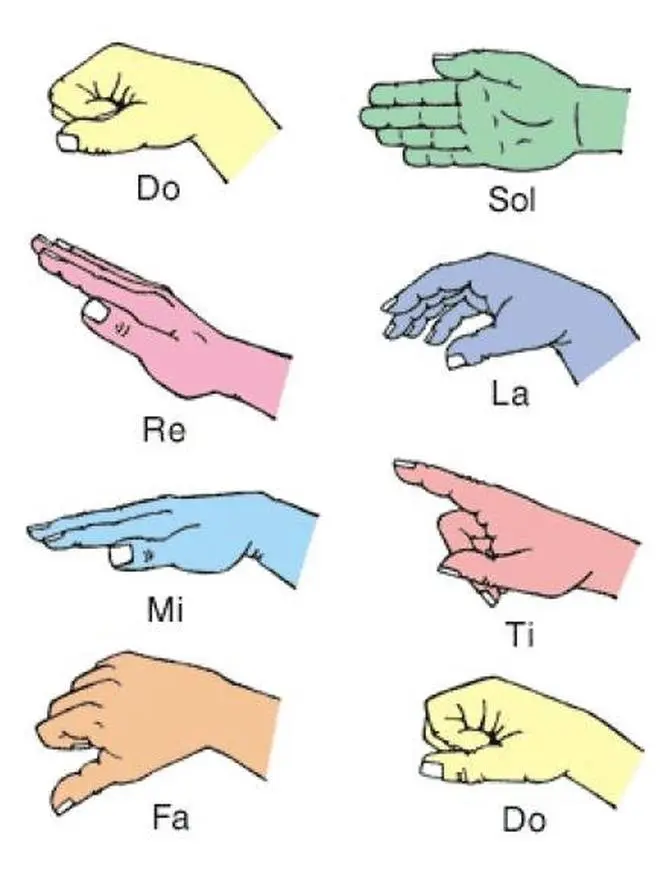
devoted much of his time to writing music for children
and to creating methods to teach music, methods still used today.
He's often remembered for this wonderful quote. I'm going to read it to you.
Teach music and singing at school in such a way that it's not a torture,
but a joy to the student. Instill a thirst for finer music,
a thirst which will last a lifetime.