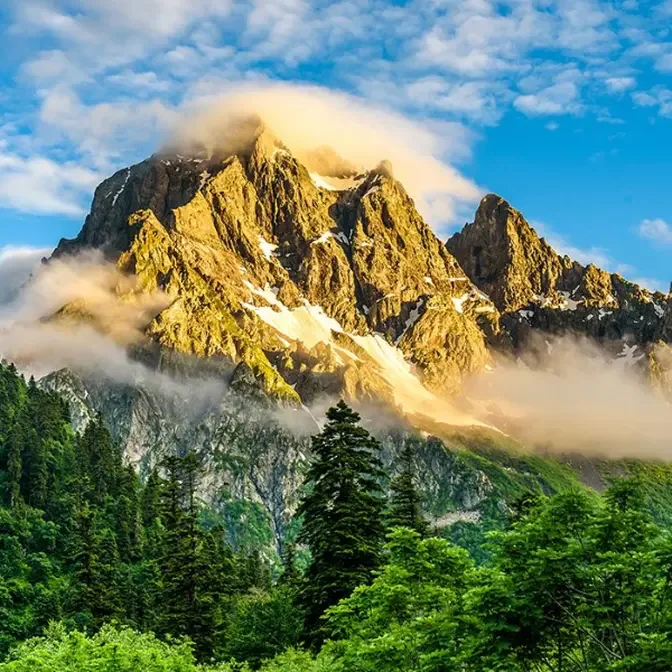
Join Dave Guggisberg on a breathtaking hike through the awe-inspiring Superstition Mountains! Just outside of Apache Junction, Arizona, the Hieroglyphic Trail offers a perfect blend of natural beauty and accessibility for hikers of all skill levels. This 4-mile out-and-back adventure features a gentle incline and mesmerizing scenery that make it a must-see for both seasoned trekkers and beginners.
Conveniently located near Phoenix, Arizona, the Superstition Mountains and The Lost Dutchman State Park are top destinations for locals and tourists alike. Don't worry if the trailhead seems hidden within a residential area—just follow the signs, and you’ll be on your way to an unforgettable outdoor experience. Join me as we explore the wonders of the Hieroglyphic Trail, right in the heart of the Superstition Mountains!
Watch the full length Video at • Exploring the Stunning Hieroglyphic Trail:...
Now in the Phoenix area a lot of people like to go on hikes especially in the spring and the
winter and in the fall winter times when it's a little cooler but they'll usually go to South
Mountain or they'll go to Camelback Mountain and those can be a bit challenging to go on those
hikes as noted by the many rescues that happens every year on both of those mountains. Now from
the Phoenix area as you look east you can see the Superstition Mountains and they look rough
and craggy and very difficult but they're very beautiful. Well one of the best hikes you can go
on in the valley that's very easy it's educational and it really gives you a good opportunity to see
some culture is Hieroglyph Canyon. So it does take a little while to get to Hieroglyph Canyon
we'll show you here on the map the route to get there go south on Highway 60 you're going to run
into a couple of areas where you can turn off. One will be South Superstition Mountain Road
however the one that's probably a little better is to go a little further on 60 another approximately
a mile to King's Ranch Road that's a little more of a straight shot and by the time you get to the
end of King Ranch Road you'll have signs leading you to the Hieroglyph Canyon parking lot.
So let's talk a little bit about hieroglyphs there's a lot of people will tell you that that
canyon has been misnamed that it shouldn't be Hieroglyph Canyon it should be Petroglyph Canyon.
So just to show you that these are not just random drawings or scratchings that
the Native Americans would put into rocks from the National Park Service from over in the
Petroglyph National Monument in New Mexico they make this very specific statement they should
not be confused with hieroglyphs which are symbols used to represent words nor thought of as ancient
Indian graffiti. National Park Service goes on to state that when you look at petroglyphs
know that they were very intentionally put where they are and facing the way they are so you should
look and see what is around them what they're pointing at what their angle is where the horizon
is to see if you can determine what it was that was being indicated by those petroglyphs because
they're not just random rock carvings. So with that background we can now better understand why
going to Hieroglyph Canyon is a real cultural experience and because it's an easy hike it's
one that's very worthwhile going to. So once you get to the parking lot there at Hieroglyph Canyon
you'll see easily the trailhead there's a real nice mural that's there at the opening take some
time to read it it kind of gives a little background about the Superstition Mountains
and the people who took time to actually create the trails going up to Hieroglyph Canyon.
Now as you get up the path a little ways here you'll notice that you have a fork in the road
with a big boulder sitting there now this boulder has rock art on it this is not a petroglyph this
is rock art probably put there by the people who created the trails because there's a trail
indicator then you'll also notice that there's a bunch of people who did put graffiti on it
not cool but you know it's the way it is sometimes unfortunately so you want to take off to the left
and as you go off to the left you'll notice you come to a gate now that gate is the difference
between the state land and the national park the Superstition National Park now that's a wilderness
area and it has different rules for being in the wilderness area so please be respectful of the
wilderness rules while you're out there now the trail is really pretty nice it has a gentle
upslope that you're going to go about halfway yes we're on the Hieroglyph Canyon trail so we're
going to the petroglyphs now the trail can be hiked with tennis shoes it's like all Arizona
trails it's going to be rocky with you know pebble-sized rocks and there'll be areas where
you have to kind of step up over some larger rocks and that but you'll do okay with a pair
of tennis shoes another hike to the Superstition Mountains you really want to have a good set of
hiking boots so as you get to the top of that little ridge and you can start seeing down off
to the way you're facing and maybe a little more off to the left you'll start seeing where the
petroglyphs are going to come into view not real easy to see from that far away but that's where
you're headed so you'll start heading down towards the pool and then off the towards the north or the
left you'll start seeing the wall with all the petroglyphs on it so here you can see a bunch of
the petroglyphs that we viewed while we were there by and large petroglyphs are items that
are unique to the individual or to the tribe and so there's no standard dictionary or any way of
translating them in a normal fashion so this is where you can kind of make up your own story and
kind of figure out what story the person was trying to tell when they ground up the warrock
face that living rock face to make their petroglyphs now look carefully because you'll
see that there's just petroglyphs all over the place they're back in crevices they're hiding
behind other rocks they're hiding there's some that are even on the flat surfaces that people
walk on please don't walk on those try and respect them some of them have gotten very very faded
because people keep putting their hands on them and getting their oil skin oils and they keep
walking on them and so those are fading unfortunately so try and be very respectful
but as you go on up the riverbed or the stream bed and most of the time when you're there there's not
going to be any water in the stream bed they'll just be the pool you know you'll see more and
unfortunately when you get way up past the normal petroglyphs you will find some people that have
decided that they wanted to put some graffiti up there and that's sad so please don't be one of
those people just be respectful take your time wander around enjoy yourself you've been seeing
some pictures that we've gathered that we decided to put in this video while we've been doing this
last part of this narration and so look around the canyon and you'll see some indents in the
canyon walls where people could have camped you'll see rock ledges that they could have camped under
in fact one of the more prominent ones you'll notice has a lot of black smoke stains on it
so people have been there for many many years and so they camped all over that area so that's the
background for hieroglyph canyon and a good reason why it would be a good place for you to go and to
enjoy a morning or afternoon and be able to get a little more culture and draw a little closer to
the native americans that lived in this area so many centuries ago and even so many years ago