Death Valley National Park is the largest national park outside of Alaska, with over 3 million acres to explore. And in our opinion, it is one of the most unique and diverse national parks in the United States! We spent 3 days trying to see as much of the park’s highlights as we could and had a blast!
A few things we forgot to mention in this video that may be helpful for your planning: -There is hardly any cell service in the park, so download offline Google Maps and AllTrails maps in advance. We got a little bit of service near the Furnace Creek Visitor Center and had great Verizon LTE at Dante's View! -Fuel up beforehand! If you think gas prices are bad where you are, just wait until you see the prices in Death Valley 😜 (Beatty, NV had more normal gas prices at the time of our visit) -There is a max vehicle length of 25 feet for Dante’s View and the Artist Palette Drive.
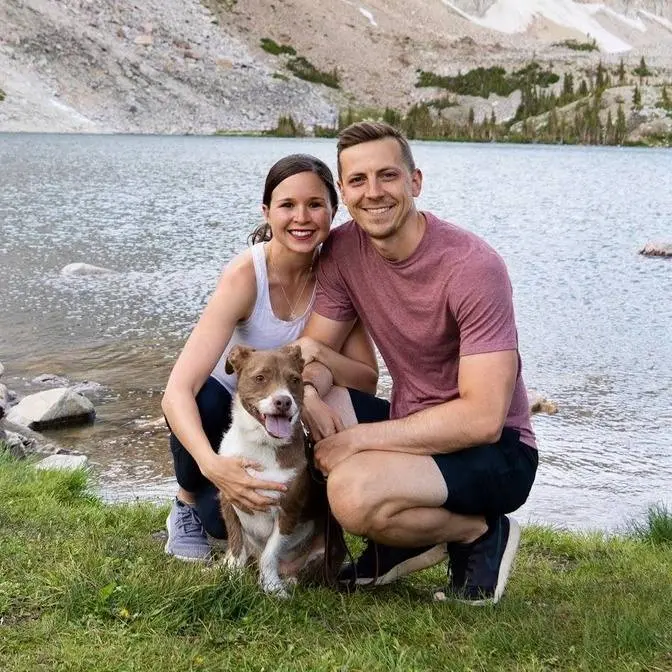
👋🏼 About us Hi y’all! We’re Adam, Kathryn, and Kona, an adventurous married couple (+ pup!) living on the road in our self-converted sprinter van! You can often find us driving all around the US and Canada, scoping out the best coffee shops, eating tacos and ice cream (we're a 5+ taco and 2+ scoop household), and enjoying nature.
We help travelers spend less time (and stress!) planning their trip and more time enjoying it! Our detailed travel guides, YouTube videos, and travel resources share the must-visit local eats, popular and off the beaten path sights, and tons of tips to make planning your next adventure a whole lot easier.
Note: We’ve linked a handful of items so you can see exactly which products we take with us. Full disclosure--if you click on these links and make a purchase, we get a small commission at no extra cost to you. We will only ever recommend products we truly love, actually use during our adventures, and think you can benefit from too!
Death Valley is hands down one of the most diverse and unique national parks
we've ever been to. After exploring a little bit of Nevada
and driving on the gorgeous Titus Canyon Road,
we've officially made it to Death Valley National Park for the very first time.
Death Valley National Park is mostly located in California right by the
Nevada border and it's known for being the hottest
place on earth with a record high of 134 degrees Fahrenheit in 1913
as well as being the driest place in North America. It is the largest U.S.
National Park outside of Alaska with over 3 million acres to explore
and over the next three days we're going to try to see as much as we can
and our first stop is the Ubehebe Crater. The Ubehebe Crater is a volcanic
crater that's 500 feet deep and a half mile wide
but it wasn't caused by your typical volcano eruption
where it's lava spewing and flowing everywhere. This is caused by a
Marr volcanic eruption which is when groundwater comes in contact with lava
and the resulting steam causes a big explosion.
This crater is huge and you can actually walk around the rim of it and there's
even a smaller crater back there that you can walk to
and you can even go down to the bottom of it but unfortunately since we got to
the park a little later today and we have other things we want to do
we're going to skip that this time but even just the views from the parking lot
or just from going on part of the trail are just mind-blowing.
The crater is a bit of a trek from some of the park's popular sites but it's
close to Titus Canyon which is how we drove into the park
so we now have a little over an hour drive to the Furnace Creek area which is
the heart of the park and it's where the highest air
temperature of 134 degrees was recorded making the name Furnace very very
fitting and you may be wondering why is the park called Death Valley?
Well a group of pioneers back in the winter of 1849 got lost here
and although only one of them died they all thought they would eventually die
here so when they got rescued one of them looked back and said bye
Death Valley.
We just passed a sign that said we're at elevation sea level
we're going down so we're a little bit below but that is crazy.
One important piece of history in the Furnace Creek area is
borax. Borax has a variety of household and industrial applications
like laundry detergent and household cleaners. Borax was first discovered in
the Furnace Creek area in 1881 in a large-scale mining operation
open known as Harmony Borax Works. When it was at full operation it employed 40
men who produced three tons of borax every day.
It was tough to get this borax from Death Valley and the operation gained
notoriety because of the 20 mule team which was a team of 20 mules
that drove two large wooden cars filled with borax along the 165 mile
10-day route to the closest railroad in Mojave, California.
The operation went out of business after only five years of production and on the
short Harmony Borax Works trail you can see one of the original wagons.
For sunset we've come to Badwater Basin which is one of the most iconic sites in
all of Death Valley because it's the lowest point in North America
at 282 feet below sea level. So it's a bit of a walk from the parking area to
get to that iconic just wide open salt flat view that you see
when you look at photos of Badwater Basin and the ground started out almost
feeling like clay but starting to get crunchier as we go
along. As we're walking out here I'm just thinking to myself this place
is just so massive. I mean we're in the middle of this big basin here
and everywhere you look every direction you can just see so far.
There was once a large inland lake here known as Manly Lake which fun fact is
named after me oddly enough.
That's hilarious. I thought of that one a long time ago. But in all seriousness
this lake had no outlet so salt and sediment
accumulated here until the lake dried up long ago
now leaving these concentrated salt deposits. These deposits form into
interesting polygon shapes from groundwater rising up through the
deposits and evaporating. The Badwater Basin is also super
fascinating because if you look on the hill back here you can't see it
from here but there's a sign on the hill indicating
where sea level is which is 282 feet above
but then if you look kind of where the sun is right there you're not going to be
able to see it is Telescope Peak and that is the highest peak in the
park at 11,049 feet which from where we're standing is over
two miles above us and I read that this difference here is
the most dramatic vertical relief in such a short distance in
all of America. This was such a cool spot for sunset and it was really nice as the
sun set quite a while ago but still so bright
and just seeing the alpine glow on all the mountains is gorgeous
but in all the photos I saw this looks white but it's actually kind of a brown
color so if you come here expecting this like stark white
I don't know if it's just the day we're here or what but it's definitely more
brown just get your expectations in check
before you come here. We made it to our free campsite for the
night and while we're visiting the park we're staying at a place called The Pads
which is outside of the park but still really close to it and has all
of these concrete pads that you can park on it kind of looks like an abandoned
RV park and no one really knows why it's here
but it means you get a super level spot but for the rest of the night we're just
gonna eat dinner and hit the hags we have another early and long day in the
park tomorrow. This is so beautiful. We just watched
sunrise at Zabriskie Point which is a very popular spot for sunrise but now
we're gonna hike to Golden Canyon which is about six miles and you can start it
right here from the point. This hike is really neat so far because
you're walking between and on top of these badlands
compared to Zabriskie Point which was packed at sunrise
we have yet to see anyone that's ventured down the trail yet
about two miles into the trail there's a turnoff to go to the Red Cathedral it's
only about a mile round trip but we hear it's well worth the trip
but we did read that there's a little bit of scrambling to get into it so
we'll see if we can't get in there
this was well worth the detour the scrambling was not hard at all it was
actually really fun and you end up in this kind of like
cove just surrounded by these super tall rocks they're not really
red they're more of like an orange color tan orange but this is the coolest
little nook
we just made it to the Golden Canyon trailhead which is another place where
you can start this hike but since we did sunrise at Zabriskie
Point it made more sense to start the hike there plus they have a lot
more parking it's 9 a.m on a Friday and the Golden Canyon parking lot is
totally full we're now on this just dirt path kind of
along the side of the road but i think we're going to pop back into
the canyon and finish the last part of the hike
one cool thing about death valley is that the first star wars movies
star wars episode 4 was filmed here at various locations in the park and if i'm
remembering correctly one of the scenes was filmed over in
golden canyon where we just were the scene where the jawas capture r2d2
and they're carrying carrying him through a canyon just like
this that's pretty cool to be able to be right in that spot
oh my god i made it out of the canyon so the hike ended up being 7.4 miles and
took us three hours and 15 minutes and towards the end we were so exhausted
we worked up quite an appetite so we just made some quick sandwiches in the
van it's the exact same sandwich we made
two videos ago in our joshua tree video but we're basically just cooking and
eating really quick things while we're here it's a pretty remote area there's
not a ton of dining options so we're making
sandwiches have a lot of snacks salads just things that are quick to put
together so we have more time to explore next up we're heading to Dante's view
which is a bit of a drive up into the mountains but it should have sweeping
views of the park right down there is bad water basin
which is 282 feet below sea level which is where we saw the sunset last night
and Dante's view is a mile above that last night when we were standing down
there it was crazy to see how tall the mountains were around us
we're not even on the tallest mountain that's across the way telescope peak
but we just are so high above it it is it's just this park is just full of
crazy perspectives if you haven't picked up on it it is much colder up here
down at the bottom i had just a t-shirt on and i'll have two jackets
we read at the visitor center on the thermometer it says every thousand feet
you go up it's get five degrees cooler so
according to my calculations that's about 25 degrees and then with the wind
also all right you guys gonna play golf
going to the devil's golf course i'm so excited wait what
okay it's not really a golf course and i knew that but it is really unique
over 2 000 years ago there was a lake here that evaporated and it left behind
a thousand foot layer of salt and minerals
over the years water rises up through the salt bed and reshapes the formations
as it evaporates what is left behind are tall stalagmites
and spiky mounds that are difficult to walk on and it would especially
not be fun to play golf out here in fact a 1934 national park service
guidebook to death valley said only the devil could play on such rough links
so you are able to walk out here but be very careful because these things
are like razor sharp they kind of like coral reefs so we're trying to not
touch them so we don't get cuts on ourself and apparently on a really hot
day which is not today thankfully you can hear them make this popping
sound as they expand and contract in the heat
hole in one yeah for our final stop today we're going to drive the nine mile
artist drive scenic loop and about halfway through that drive is a very
popular spot called artist palette which is known for having these really
colorful hills with these kind of pastel colors
we'll explain why they have these colors in a bit we've also heard mixed things
about this place we've heard that it doesn't look as vibrant in real life
as it does in edited photos so we don't really know what to expect
but we're excited to check it out for ourselves
as we were driving in the mountains and hills definitely have some color but
it's not super vibrant but as soon as we made it to the artist
palette overlook the colors are immediately
just more pastel and saturated it definitely
looks like the photos to me the reason that these hills have all these colors
is from different minerals in the volcanic deposits
for example the red pink and yellows you see is from iron
and we hear that the best time to see the colors is at blue or golden hour
we're here about an hour before the official sunset time
and in our polarized glasses the colors look really vibrant
when we take them off or just in the camera it does not look as vibrant so
we're hoping that as the sun goes down more
the colors will get to pop more instead of having the sun glare on them
i liked it because it reminded me of sherbert ice cream
it's our final day here at death valley national park and we're starting our day
with sunrise at the mesquite flat sand dunes
the park has a bunch of dunes including the eureka dunes which are the tallest
dunes in all of california but they are a bit of a trek to get to
whereas the mesquite flat sand dunes although only a hundred feet tall or so
are way more accessible
walking on sand is obviously always a workout
and we're trying to book it across a few of these dunes
about a mile to get to the taller ones
something about sand dunes just brings out the kid in me
i just want to play with sand i just want to run around it's just so much fun
and now to see how much sand i collected in my shoes
oh wow
next up we're hiking the mosaic canyon trail it's about 3.3 miles
and according to the sign it's a visual and intellectual treat
the reason that this hike is called mosaic canyon is because of its mosaic
i'm not 100% sure how to say it but it's a scientific term
for rock created by the natural cementing together of older smaller pieces of rock
as we're walking through this canyon the rock walls basically just look like mosaic art
it is definitely a treat like the sign said
so we had heard that further down on the trail there's some scrambling
and i believe we've made it to that part
i don't think that's how you're supposed to do it but it worked
these scrambles aren't very tall but the problem is some of them are pretty slick
and there's not super good spots to put your feet in hand so you have to kind of just like
go for it
this is where the trail ends at this i don't know 25 foot 30 foot wall
i don't think we're going up that one today i wouldn't recommend anybody else try it either
we didn't totally know what to expect from this hike but it was way cooler and way more fun than
we thought it would be but now it's time for the intellectual part of the hike
figuring out how to get down some of those scrambles safely
we're taking a quick lunch break we just whipped up some southwest salad from trader joe's which
we've shared many times on the vlog it's our favorite we stocked up on a lot of them before
we came out here and we're having a little kona playtime cuddle break kona and dogs in general
just aren't allowed really anywhere in the national park which is why we came here a
week earlier than planned it was so it would be cool enough that way we could leave her for a
whatever this is in between all of our activities so we've had to go down a few dirt roads in the
park to get some to some of the attractions but we have definitely saved the best for last
this one is by far the roughest we just drove about an hour to our last stop in death valley
national park darwin falls it's about a two mile hike to a waterfall that runs year round which
driving down the road we just came down and then just thinking about death valley in general
you would not think you would find any water here i said i wasn't going to believe there was a
waterfall here until we saw it because it just seems it doesn't seem like there could be one
we're starting to see a lot more water so it's looking promising there's a waterfall death
valley is hands down one of the most diverse and unique national parks we've ever been to
in just a few days we've seen a crater colorful hills canyons sand dunes been to the lowest point
in north america drove up a mountain and now we've seen a waterfall even though it seems like we've
so much in the last three days here in the park there's still so much more cool stuff to see but
wow we are pooped we have filmed 11 out of the last 13 days which is not normal and it was not
planned and we are just completely drained so we are going to take the next week or so off
from filming so we can catch up on writing editing maybe sleep a little bit maybe relax a little bit
and we're even going to take a little mini vacation two very kind subscribers adam and
kim have an airbnb near big bear california and have generously given us a much-needed getaway
which we are beyond excited about while we aren't filming a video there we will share some stories
on instagram so make sure to follow along there to see what we get up to but after that we're
heading back down to the california coast for another national park adventure i don't know what
it is though but something about this place just gives me the yubi-hibis goodbye death valley
hope you find your dad
no hands the sand dancers
yeah put one leg up and shake your body i'm not good at that one