
13 Healthiest Non Dairy Milk Alternatives
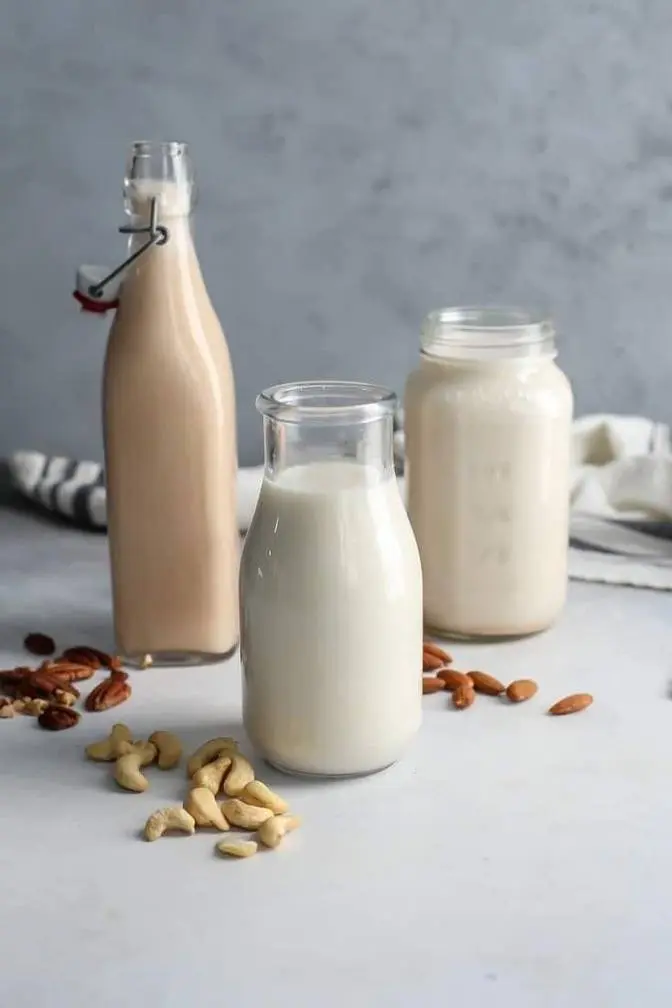
Hey there, viewers! As more and more people are choosing a plant-based lifestyle,
or simply cutting down on animal products, non-dairy milk alternatives are becoming
quite popular. There are plenty of reasons people are doing it,
ranging from milk allergies and lactose intolerance to ethical principles.
If you're also looking to go dairy-free, then you're in luck. There are plenty of substitutes
on the market today that can make your life easier. The best part is that these types of
milk will also provide you plenty of health benefits, just like regular milk. And in
today's video, we will tell you the best non-dairy milk alternatives. From soy,
pecan, macadamia, oat to flax and more, watch till the end to learn about all of them.
Hazelnut Milk Because of its strong nutty flavor,
hazelnut milk isn't as popular as some of the other kinds. However, it does have a nutritional
profile that sets it apart. Hazelnut milk is packed with B vitamins which are essential to
mental health. It's also rich in vitamin E and folic acid, which help prevent anemia,
heart disease, cancer and omega-3 fatty acids that keep your blood pressure regulated. Hazelnut
is great in smoothies and in overnight oatmeal and cereals. Are you a hazelnut fan? Do you like
it in your coffee, dessert or just plain? Tell us quickly in the comments section below!
Pea Milk Sounds weird. This is the new kid
on the block in the world of plant-based milks. It's made from pea protein isolate,
water and other emulsifiers like algal oil, sunflower oil, guar and gelling gums.
It's as creamy as soy with a slightly less nutty taste for 70 calories per cup. The use
of algal oil provides DHA, a key omega-3 fatty acid that's linked to immunity,
heart health and cognition. The unsweetened versions pack up to 8 grams of protein from
a nutrient-dense source. Soy Milk
This is the most popular alternative to dairy milk. It's made with either soybeans or soy protein
isolate, and often contains thickeners and vegetable oils to improve taste and consistency.
It typically has a mild and creamy flavor. However, the taste can vary between brands.
It works best as a substitute for regular milk in savory dishes, with coffee or on top of cereal.
One cup of it contains 7-9 grams of protein and around half the number of calories,
fats and carbohydrates as compared to cow's milk. It's also one of the few
plant-based sources of high-quality complete protein, which provides all the essential amino
acids. Rice Milk
Yummy rice milk is similar to milk made from nuts because it's low in protein. It's a good
source of B vitamins, magnesium, phosphorus and manganese. On the flip side, it is relatively
high in carbs. Its consistency is much thinner than other non-dairy milk alternatives. It has
a light, sweet, neutral flavor and is a good choice for desserts, soups, light sauces and
more. Because rice milk is thin, you'll probably need to use a thickening agent such as flour,
cornstarch, rice starch, guar gum or xanthan gum when using it in baked goods.
This milk is a great option for vegetarians and vegans,
people allergic to nuts or soy and someone suffering from irritable bowel syndrome.
Coconut Milk
As the name suggests, this milk is made from water and coconut cream. So it has a tropical
taste as compared to other plant-based milks. Nutritionally, it's higher in fat and lower in
carbohydrates than nut or grain-based milks. Most of the calories come from saturated fat.
Just one cup has up to 4 grams, which is 20% of your daily value. That said,
the creamy consistency and fat content help boost satiety. So you're likely to use less
of it. It's perfect straight from the carton and as a coffee creamer in overnight oats,
cereals, smoothies, Thai dishes and desserts.
Almond Milk
This is one of the most popular plant-based milks. Although this option may be low in
protein, it contains a lot of vitamins and other nutrients, such as vitamin E. It's rich in various
antioxidants, which may help protect against numerous ailments, such as cancer and heart
disease. If made at home, it has the potential to be a really great source of calcium. It is
based on the number of almonds that are used to make the beverage. You can drink it as is,
or in smoothies, shakes, teas and coffees. It can also be poured over your cereal and oatmeal.
You can also use it when cooking both sweet and savory dishes. However, many people find that
it's a little too sweet for savory dishes, and so prefer to use it more when making desserts
and smoothies.
Oat Milk
These days, oat milk seems to be flying off the shelves. And there's a reason for that.
It contains zero cholesterol and adds about 1 gram of heart-healthy soluble fiber per cup
to your daily intake. It contains the second highest amount of protein of all the dairy
milk alternatives. It's also a good non-dairy option for people with soy and nut allergies.
The downside is that it tends to be higher in sugar, about 7 grams per cup,
and about 120 to 160 calories per cup. The calcium, vitamins A,
D and B12 found in many oat milk brands are from fortified sources.
You can use it in making porridge, batters or baked goods.
Pistachio Milk
While you won't find this in your supermarket, you may want to consider making your own pistachio
milk. A new analysis recently found that pistachios are a complete protein containing
all essential amino acids. They are an essential source of dietary fiber,
B vitamins, copper, potassium and magnesium.
Pistachios contain antioxidants, lutein and zeaxanthin, which are known to benefit eye
health. They are also the lowest calorie nut per serving, so you get a nutritious
bang for your buck. To make your own pistachio milk, soak 1 cup of pistachios in water overnight,
drain, then combine in a blender with 3 cups of fresh water until smooth.
Use a cheesecloth to strain and voila! You have fresh pistachio milk.
Hemp Milk
Known for its nutty flavor, hemp milk is packed with important nutrients. It is rich in unsaturated
essential fatty acids, omega-3 and omega-6, needed for building tissue and cell membranes
in the body. Unsweetened, it contains about 80 calories and 5 grams of complete protein per cup.
It also contains calcium and iron. It is a good option for vegans looking for non-meat
sources of omega-3 fatty acids. The only downside is that it separates easy when
mixed in hot beverages like coffee, leaving floating chunks. Also, it is the most expensive
out of all the alternatives. Its smooth texture makes it perfect to make homemade ice cream.
Cashew Milk
This milk is particularly tasty in tea or homemade tea lattes. Try it with matcha for
a midday boost of L-theanine, a compound found in matcha which is linked to cognition and focus.
It is made the same way as almond by soaking, blending with water and straining. It is similar
in nutritional composition, ranging from around 40-50 calories per cup. Cashews themselves provide
zinc, copper and magnesium, which help support your immune system. Just make sure you go with
the unsweetened version.
Flax Milk
Flax milk is basically cold-pressed flax oil combined with filtered water,
having a thin and smooth consistency. This amazing non-dairy milk contains no saturated fat,
trans fat or cholesterol. It's special because it's low in calories, contains a ton of omega-3
fatty acids and is free of the top 8 allergens. In addition, it's yet another great alternative
for someone allergic to soy. On the flip side, it does not contain any protein. It's great
just as it is, in cereals or in coffee. You can also use it in sweet and savory dishes.
However, it's important to remember to use unsweetened flax milk when cooking savory dishes.
Flax seed, along with a bunch of other seeds, can do wonders for your body. To find out what
seeds we're talking about and their health benefits, watch this video titled 8 Powerful
Seeds That Benefit Your Health.
Now back to the best non-dairy milks.
Pecan Milk
Pecans are one of the only nuts indigenous to North America. They were initially important
to Native Americans, but nowadays, packaged pecan milk has become available everywhere.
With more potent plant protectors, specifically flavonoids, than any other nut, they can
significantly improve insulin sensitivity. This leads to better protection against heart risk
factors. A serving of pecans, or about 19 halves, are among the
lowest in carbs, about 4 grams, and high in dietary fiber, about 3 grams per serving.
You can use it in making pancakes, banana nut bread, smoothies, french toast, lattes,
muffins, and cupcakes.
Macadamia Milk
This milk is made mostly of water and about 3% macadamia nuts. It has a richer, smoother,
and creamier flavor than most non-dairy milks, and tastes great on its own, or in coffee and
smoothies. It contains 1 third the calories and about half the fat of cow's milk. It's also
somewhat lower in protein and carbohydrates. The low carbohydrate content also makes a suitable
option for people with diabetes or those looking to reduce their carb intake.
What's more, it's a great source of healthy monounsaturated fats.
Increasing your intake of monounsaturated fats may help reduce blood cholesterol levels,
blood pressure, and the risk of heart disease,
especially if it replaces some saturated fat or carbohydrates in your diet.
What do you prefer to drink, dairy or non-dairy milk? Have you tried the non-dairy ones?
Which is your flavor of choice? Let us know in the comments section below!